




The Nigeria Customs Service has urged freight forwarders to adopt its automated Licence and Permits Processing System to reduce the cost of doing business.
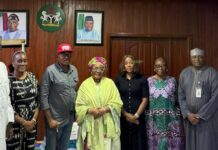
Assistant Comptroller-General of Customs, Muhammed Babadede, made the call during a stakeholders’ engagement on automation held in Lagos on Monday.
Babadede said the reform responds to longstanding demands for faster, more transparent, and simpler procedures for industry stakeholders.
He disclosed that the Comptroller-General of Customs, Bashir Adeniyi, had approved the full automation of the service’s licences and permits processes.
“For years, stakeholders dealt with paperwork, long queues, and uncertainty from manual processing. Those days are coming to an end.
“This sensitisation is being conducted across all zones. The goal is to ensure stakeholders understand the automated system before implementation,” Babadede said.
He said automation would enable applications and renewals to be completed from offices or mobile phones, eliminating the need to visit customs formations.
Babadede assured stakeholders of a fair and consistent process while reducing errors associated with manual documentation.
He added that automation would improve record-keeping, supervision, and service delivery without increasing pressure on officers.
The Deputy Comptroller-General, Tariff and Trade, CK Naigwan, represented by Babadede, reiterated management’s commitment to seamless implementation.
Comptroller of Customs, Licence and Permit Unit, Ngozika Anozie, praised the Comptroller-General for driving innovation within the service.
She said the automation initiative aligned customs procedures with global best practices and would strengthen institutional efficiency.
According to her, the reform reflects the three-point agenda of the Chairman of the World Customs Organization, Adeniyi, centred on consolidation, collaboration, and innovation.
She said the system would enhance ease of doing business in the maritime sector and boost national revenue generation.
“Automation will cut business costs and reduce travel risks for stakeholders.
“They will no longer have to travel repeatedly to Abuja, paying for transport, hotel accommodation, and feeding to process licences and permits,” she said.
She added that the platform would automatically reject fake documents and accept genuine submissions, thereby curbing fraudulent practices.
“The CGC is determined to sanitise the system, and we are committed to achieving that objective,” Anozie said.
Assistant Superintendent of Customs, Ibrahim Usman, said the Licence and Permit Unit operates under the Tariff and Trade Department.
He explained that the unit ensures the proper issuance of licences and permits and compliance with import regulations.
Usman said all licences and permits expire on December 31 of the year of issuance.
He added that the portal would become fully operational after nationwide sensitisation, with stakeholders duly informed.
Customs Area Controller, Tincan Island Command, Nigeria Customs Service, Comptroller Frank Onyeka, thanked stakeholders for their continued support.
He urged them to take the exercise seriously to achieve seamless processing across customs operations.
The News Agency of Nigeria reports that stakeholders raised concerns about online payment integration and potential technical disruptions.
Officials addressed the questions and pledged continued engagement to ensure smooth nationwide implementation.
NAN
