




President Bola Tinubu has defended his decision to sign the Electoral Act 2026 into law, insisting he had no alternative after the bill secured overwhelming approval in the National Assembly.
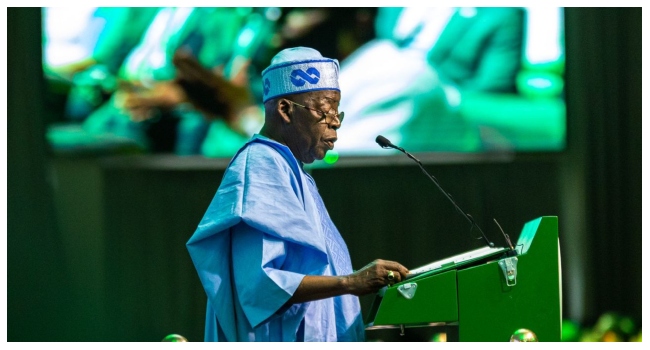
Speaking on Thursday, Tinubu addressed reservations raised by the Inter-Party Advisory Council over provisions including mandatory digital membership registers linked to National Identification Numbers, the scrapping of indirect primaries and the end of government funding for political parties.
“That I signed the Electoral Act, I have no choice. I don’t want to throw the country into turmoil of argument,” he said.
He added: “If I have serious question or reservation about it, I would have raised it. But I have none. I submitted myself to the principle of rule of law and democracy. I signed, the rest is history. We’ll meet at the polls.”
Tinubu stressed the democratic imperative of majority rule: “The rule of law must prevail in any democracy. Majority will have their say and their way, and minority will have their say and might not have their way. That is the sweetness, the essence of democracy.”
He urged opponents to engage constructively: “Argue it, debate it intellectually, interrogate each other honestly and sincerely, but we are committed to the same thing — peace and stability of the country.”
Recalling his own pro-democracy background, Tinubu said: “We are all democrats and we subscribed to this democracy voluntarily and willingly. Some of us have the bruises from it — detention, protests, exile. We formed NADECO. We got here.”
He concluded: “The game is sweet only when you are winning. But we must accommodate one another, strengthen the platform and remain committed to peace, stability and the rule of law.”
The signing follows weeks of debate on how the new provisions will reshape party primaries and funding ahead of the 2027 general elections.
