


The UN General Assembly has adopted a resolution recognising the enslavement of Africans during the transatlantic slave trade as “the gravest crime against humanity,” calling on member states to consider apologies and reparations.
The non-binding text, proposed by Ghana, passed with 123 votes in favour, three against (United States, Israel and Argentina) and 52 abstentions, including the United Kingdom and several European Union members.
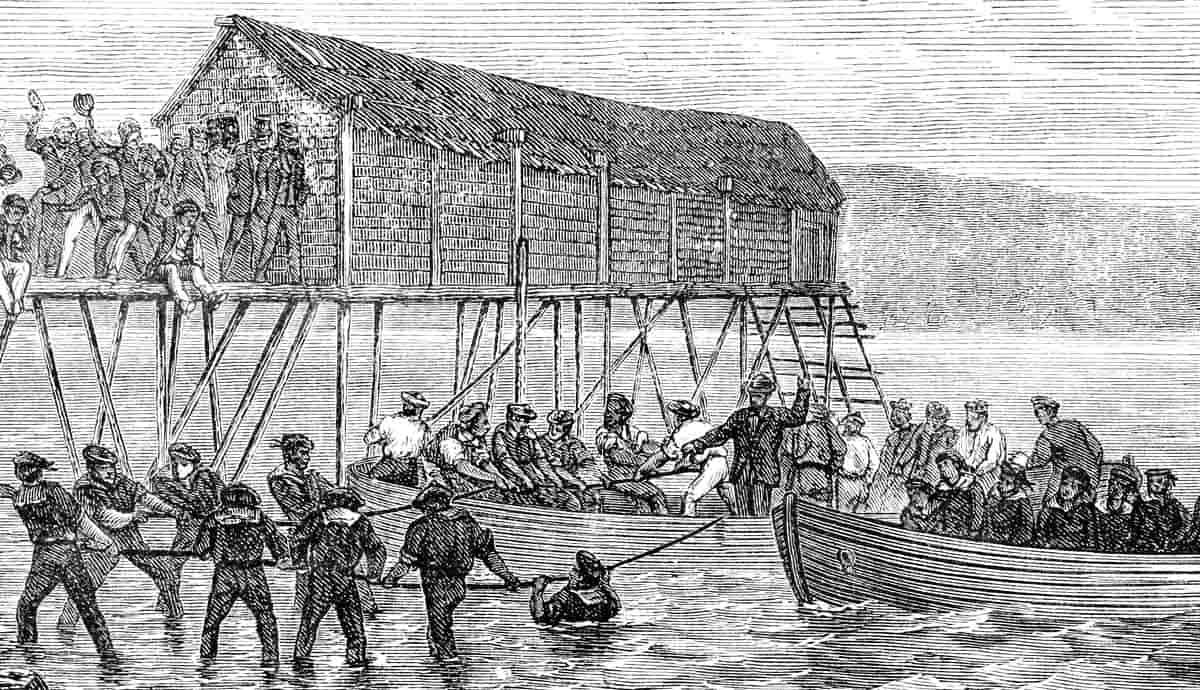
It notes that the trade, which operated between 1500 and 1800, saw 12 to 15 million Africans captured, with more than two million dying during the Middle Passage, and that its legacy continues to fuel racial inequalities and underdevelopment.
Ghanaian President John Mahama welcomed the outcome, saying: “Let it be recorded that when history beckoned, we did what was right for the memory of the millions who suffered the indignity of the slave trade and those who continue to suffer racial discrimination.”
He added: “The adoption of this resolution serves as a safeguard against forgetting. It also challenges the enduring scars of slavery.”
Ghana’s Foreign Minister Samuel Okudzeto Ablakwa told the BBC the vote was not about personal enrichment: “We are demanding compensation — and let us be clear, African leaders are not asking for money for themselves. We want justice for the victims and causes to be supported, educational and endowment funds, skills training funds.”
He stressed the lasting impact: “Many generations continue to suffer the exclusion, the racism because of the transatlantic slave trade which has left millions separated from the continent and impoverished.”
The minister also called for the return of looted artefacts: “We want a return of all those looted artefacts, which represent our heritage, our culture and our spiritual significance.”
The United States opposed the resolution. Its ambassador, Dan Negrea, said Washington “does not recognise a legal right to reparations for historical wrongs that were not illegal under international law at the time they occurred.”
The United Kingdom acknowledged the “untold harm and misery” of the slave trade but its ambassador, James Kariuki, argued: “No single set of atrocities should be regarded as more or less significant than another.”
The resolution was backed by the African Union and Caribbean Community and forms part of wider reparations momentum, with “reparatory justice” as the African Union’s 2025 theme.
