






The Rule of Law and Anti-Corruption (RoLAC) Programme has called on lawyers, civil society organisations (CSOs), and judiciary correspondents in Anambra State to play more active roles in ensuring the effective implementation of the Administration of Criminal Justice Law (ACJL) 2022, with the aim of enhancing justice delivery and decongesting correctional centres.
The call was made during a one-day capacity-building workshop attended by over 50 defence lawyers, CSO representatives, and judiciary correspondents across the state.
The training focused on key reforms introduced by the ACJL 2022, including plea bargaining, sentencing guidelines, bail administration, and accelerated case management.
The workshop was organised by RoLAC as part of its justice sector reform intervention in Anambra State, with funding from the European Union and implementation support from the International Institute for Democracy and Electoral Assistance (IDEA).
Facilitating the session, Justice Pete Obiora of the Court of Appeal urged participants to become agents of change within the justice system by promoting ethical conduct and supporting reforms aimed at improving the administration of criminal justice.
Justice Obiora stressed that the success of the ACJL depends not only on the provisions of the law but also on the commitment of legal practitioners and other stakeholders responsible for its implementation.
“If we want to lead change, we must first become that change,” he said.
“The quality of justice depends more on the quality of the people administering it than on the content of the law itself.”
The appellate court judge expressed concern over the prolonged detention of suspects without trial, describing it as a major challenge to justice and a key factor contributing to overcrowding in correctional facilities.
According to him, many inmates remain in custody for years before their cases are concluded, despite the constitutional presumption of innocence.
He therefore urged lawyers to maximise the reforms embedded in the ACJL 2022, particularly plea bargaining and effective bail administration, which he described as critical tools for reducing the number of awaiting-trial inmates.
“Plea bargaining can reduce a substantial percentage of pending criminal cases, while proper bail administration remains one of the most effective ways of decongesting correctional centres,” he said.
Justice Obiora also challenged judiciary correspondents and CSOs to serve as watchdogs by exposing weaknesses within the justice system and advocating reforms that promote fairness, accountability, and speedy dispensation of justice.
“I challenge lawyers, civil society organisations, and judiciary correspondents to expose the rot in the system and contribute to making society better.
“We cannot continue to reinforce practices that undermine justice. Justice delayed remains justice denied,” he added.
Earlier, the RoLAC Anambra State Coordinator, Dr. Josephine Onah, said the training was designed to deepen stakeholders’ understanding of the innovations contained in the ACJL 2022 and strengthen their capacity to effectively utilise the law.
She noted that the programme is particularly focused on promoting sentencing guidelines and plea bargaining as practical solutions to the growing number of awaiting-trial inmates in correctional centres.
“The number of awaiting-trial persons in our correctional facilities is alarming. We are exploring practical measures to address the situation, and the ACJL provides mechanisms that can help achieve that objective,” she said.
Dr. Onah explained that RoLAC’s interventions are centred on three thematic areas: justice sector reform, access to justice for women, children and persons with disabilities, and the promotion of human rights and anti-corruption initiatives.
She added that the training would equip defence lawyers with the knowledge required to effectively represent awaiting-trial persons and maximise legal provisions capable of accelerating justice delivery.
“Part of our mandate is to enhance the performance of justice actors and make justice delivery more efficient and effective.
“The defence lawyers are here to understand these innovations so they can utilise them optimally in the interest of justice,” Onah said.
The workshop featured interactive question-and-answer sessions during which participants sought clarification on grey areas within the ACJL 2022.
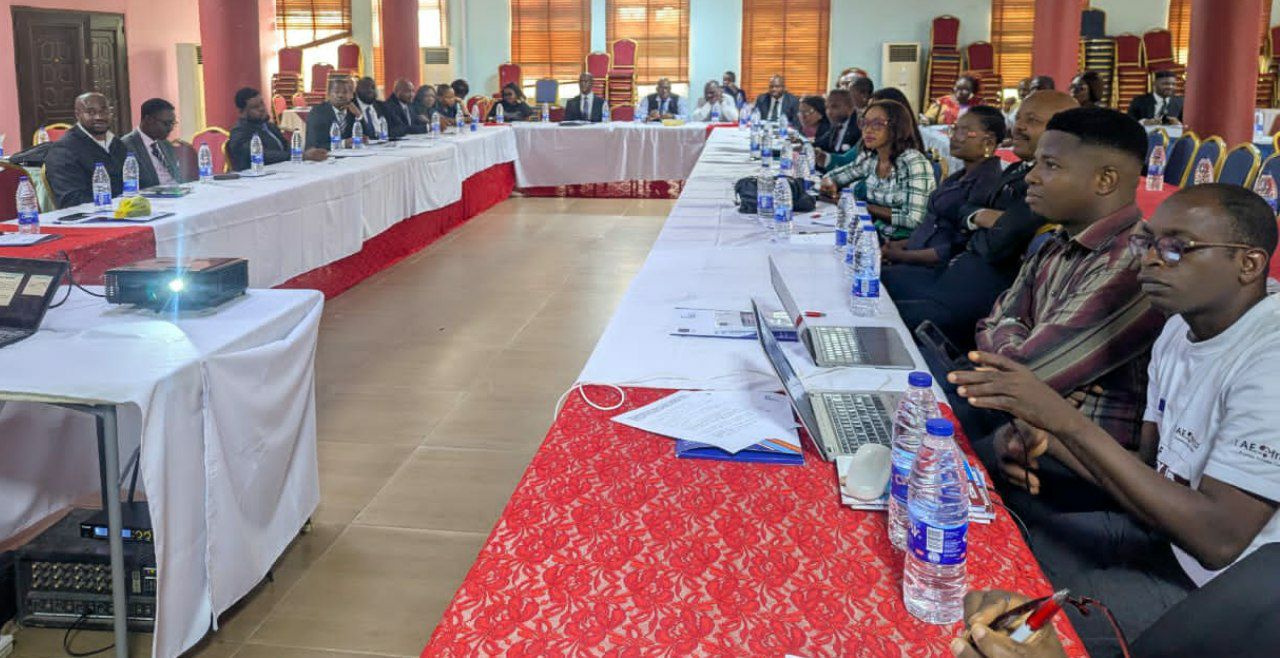
At the end of the training, participants pledged to support the effective implementation of the law by making greater use of plea bargaining, seeking accelerated hearings where necessary, and promoting measures that ensure justice is delivered fairly and without undue delay.
