


The Anambra State Ministry of Health has called for the removal of barriers to family planning and contraceptive services, stressing the need for individuals and couples to have access to accurate information and make informed choices.
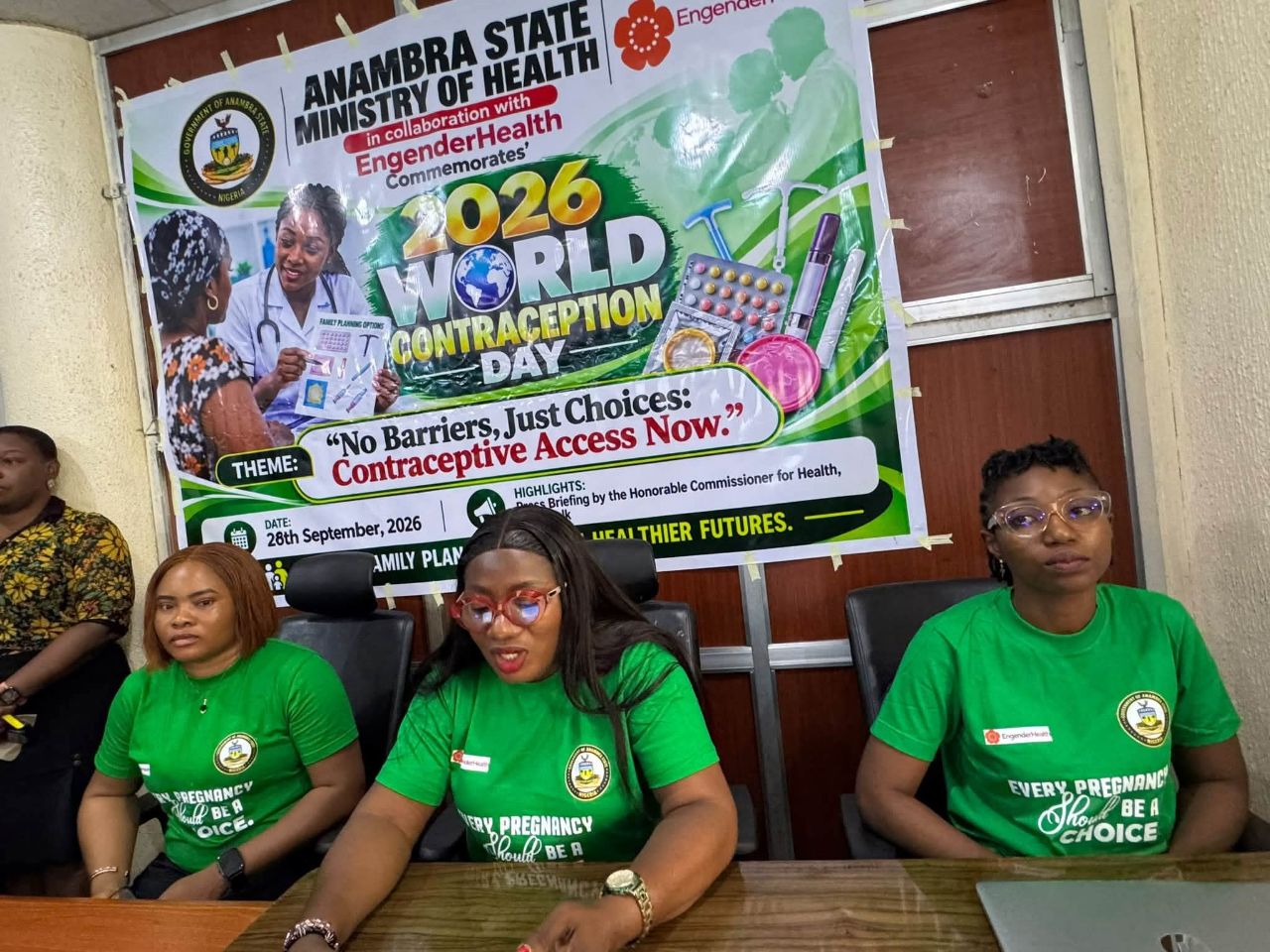
The Permanent Secretary of the Ministry of Health, Dr. Obiageli Uchebo, made the call during a press briefing at the Jerome Udoji Secretariat, Awka, to commemorate the 2026 World Contraception Day.
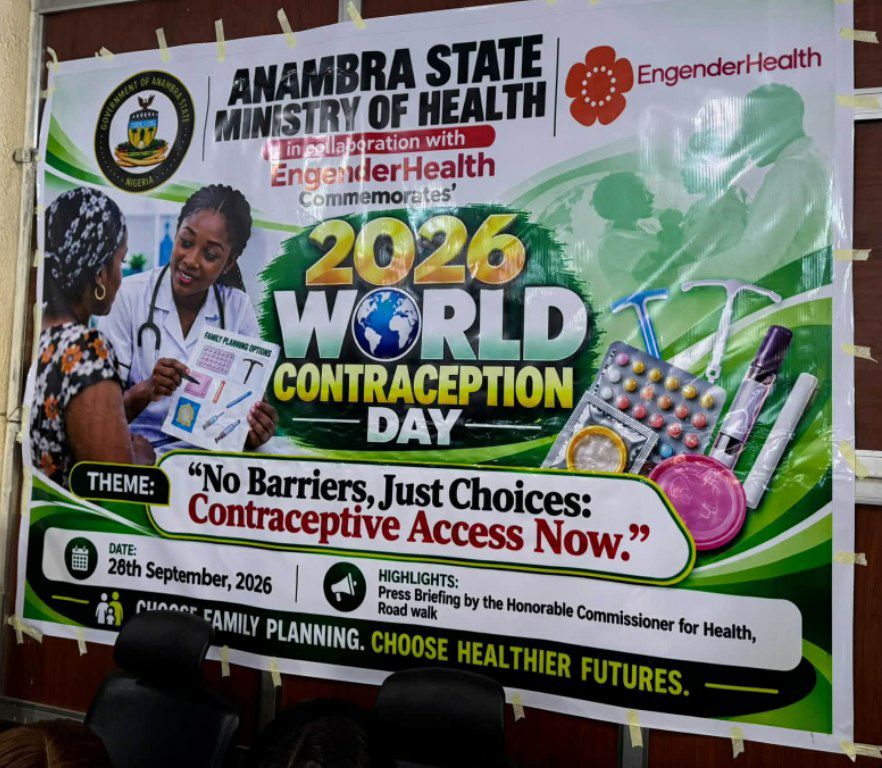
The celebration, themed, “No Barriers, Just Choices: Contraceptive Access Now,” focused on improving access to safe and effective contraceptive methods and addressing misconceptions surrounding family planning.
Giving an overview of family planning services in the state, Dr. Uchebo disclosed that 146,183 clients were counselled in 2025, with 44,615 new acceptors recorded.
She added that between January and June 2026, 73,687 clients received counselling, while 18,389 new acceptors were recorded.
Dr. Uchebo explained that access to contraception goes beyond the availability of commodities, noting that individuals and couples also require quality counselling and reliable information to make decisions about whether, when and how often to have children.
She said the 2024 Nigeria Demographic and Health Survey showed that 15 per cent of currently married women aged 15 to 49 in Anambra State had an unmet need for family planning, placing the state among those with the lowest unmet need in the country.
According to her, health facilities in the state provided 13,726 injectable contraceptives, carried out 5,402 implant insertions and recorded 537 intrauterine device insertions, while 11,186 condom clients were also recorded.
She further disclosed that 17,814 women received counselling between January and June 2026, including 978 postpartum Implanon NXT and 489 Jadelle insertions.
Addressing factors hindering contraceptive uptake, the Permanent Secretary identified misinformation, fear of side effects, stigma, geographical barriers, limited availability of preferred methods and provider bias as some of the challenges requiring attention.
She called for greater involvement of men in family planning discussions, noting that their participation could improve understanding and encourage couples to make reproductive health decisions together.
Dr. Uchebo also urged stakeholders to intensify public education and debunk misconceptions that some modern contraceptive methods induce abortion or miscarriage.
She advised residents to seek accurate information from trained healthcare providers, ask questions, understand the available options and make informed choices based on reliable information.
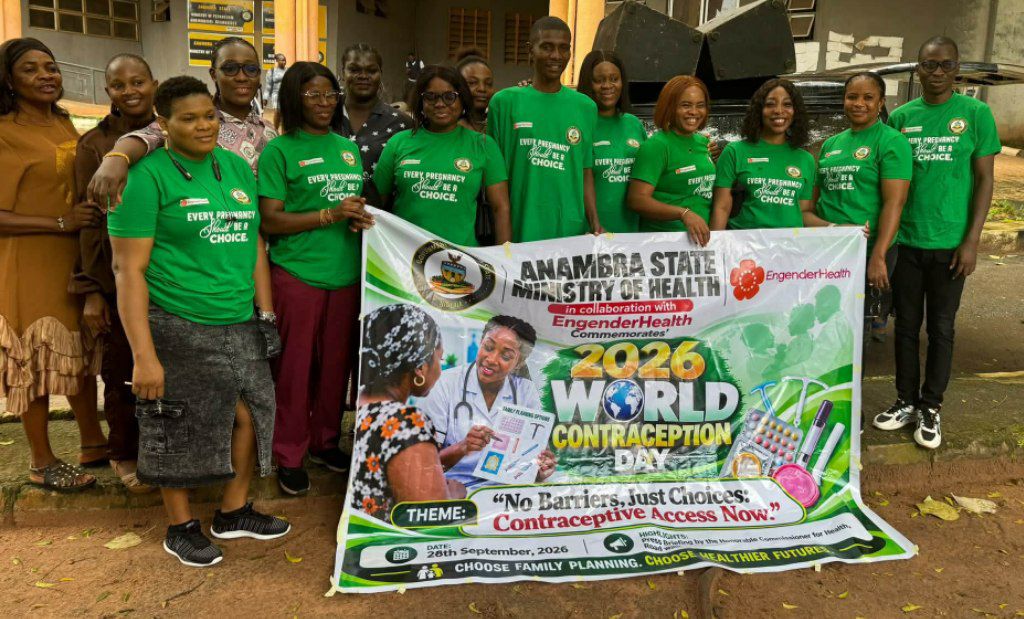
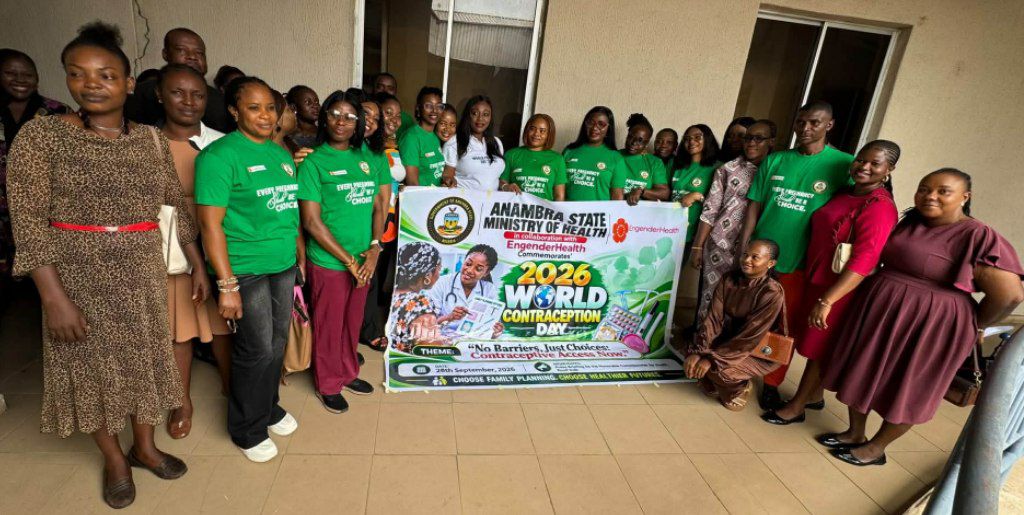
The programme ended with the distribution of condoms and lubricants, as well as an awareness road walk to sensitise members of the public on contraceptive access and informed choices.