



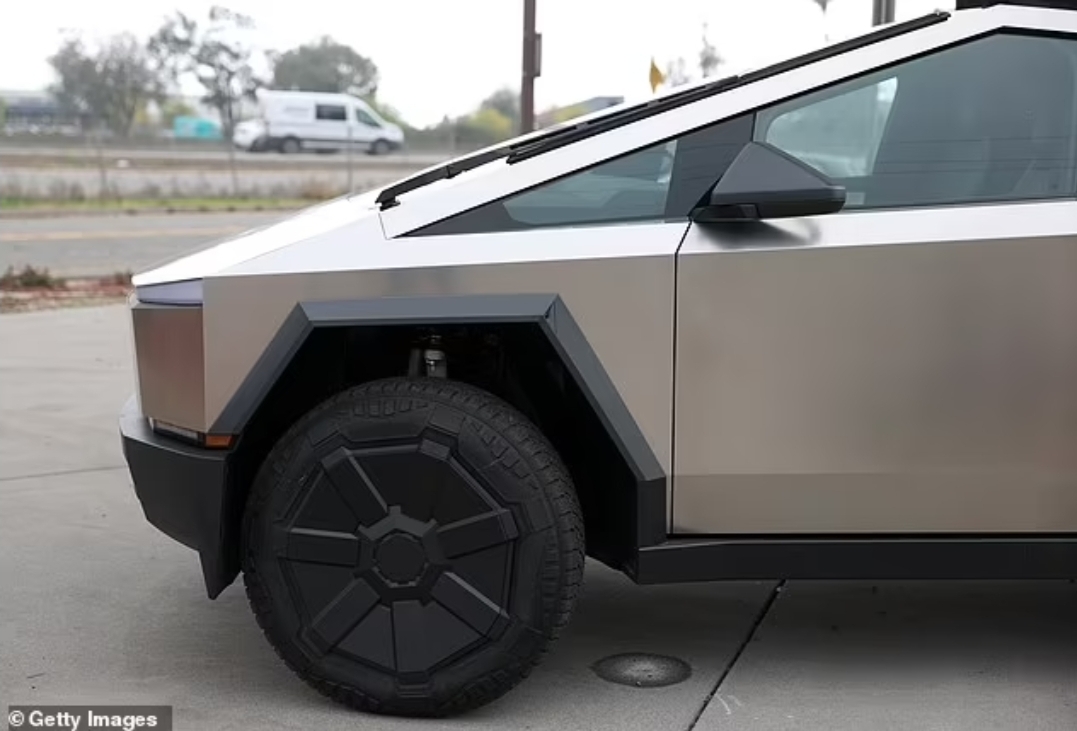
Tesla is winding down production of its Cybertruck electric pickup to free up factory capacity for its Cybercab robotaxi programme, while advancing ambitions for a redesigned Roadster equipped with SpaceX thrusters, company statements and reports showed.
Chief Executive Elon Musk said Tesla would end Cybertruck production at its Gigafactory Texas around the middle of 2027. The company plans to continue building the vehicle for about eight months, add another production shift and then redirect resources toward the two-seat, steering-wheel-free Cybercab.
“Tesla will be winding down production of the Cybertruck at Gigafactory Texas around the middle of next year to make room for increased Cybercab production,” Musk posted on X.
Tesla has begun refunding deposits on many Cybertruck orders after determining that outstanding reservations exceed the number of vehicles it can build before the line closes. The company intends to fulfil as many remaining orders as possible.
US sales of the Cybertruck fell 48 per cent last year to 20,237 units, far below earlier projections of 250,000 annual deliveries.
Tesla has started offering limited rides in Austin with its Cybercab and expanded its robotaxi network into cities including Dallas, Houston, Miami, Orlando and Tampa. The strategy aims to generate recurring revenue from autonomous transport rather than relying solely on one-time vehicle sales.
Regulators continue to scrutinise vehicles without conventional controls, and federal rules limit commercial deployment without exemptions. Tesla must still demonstrate consistent safety, reliability and service performance at scale.
Meanwhile, Tesla unveiled a redesigned Roadster in October featuring a collaboration with SpaceX and rocket-style cold-gas thrusters. A demonstration showed the vehicle performing aerial manoeuvres after driving up a ramp. Production is expected to begin in 2028.
Tesla said the Roadster remains a future project, with final pricing, specifications and delivery details still to be confirmed. The company has described the thruster system as an experimental performance feature rather than a means of sustained practical flight.
