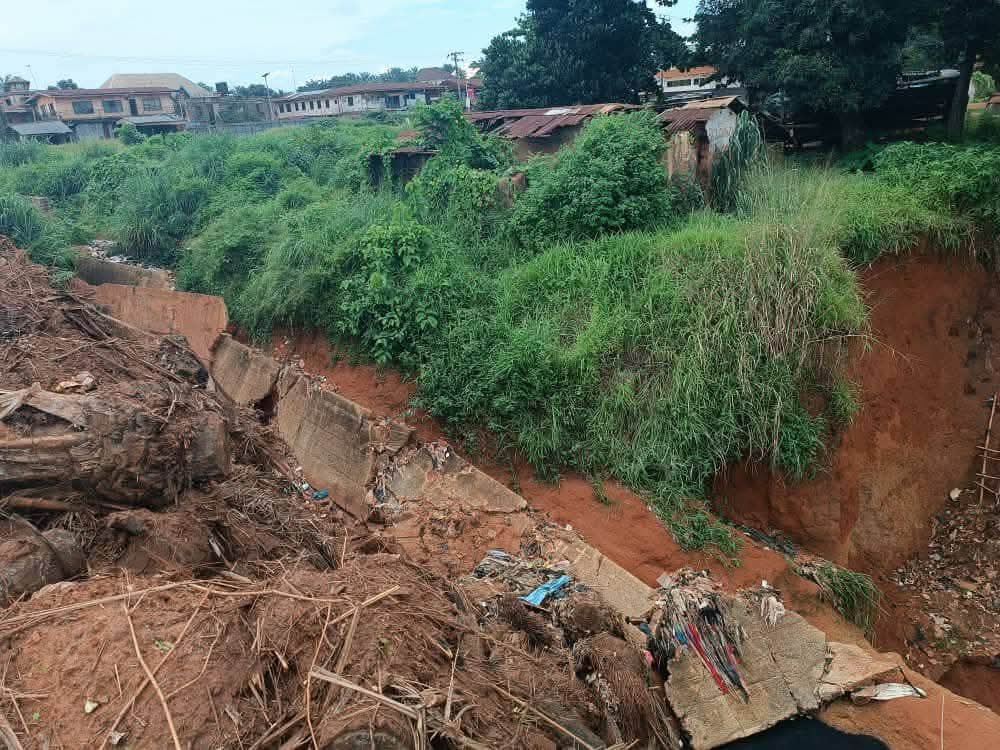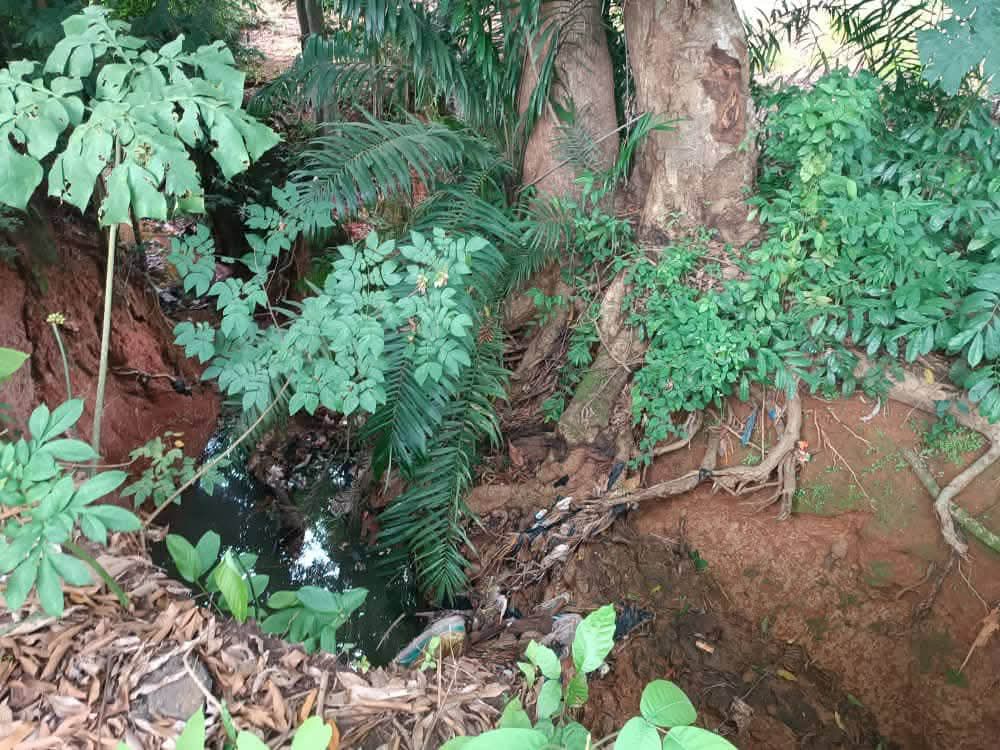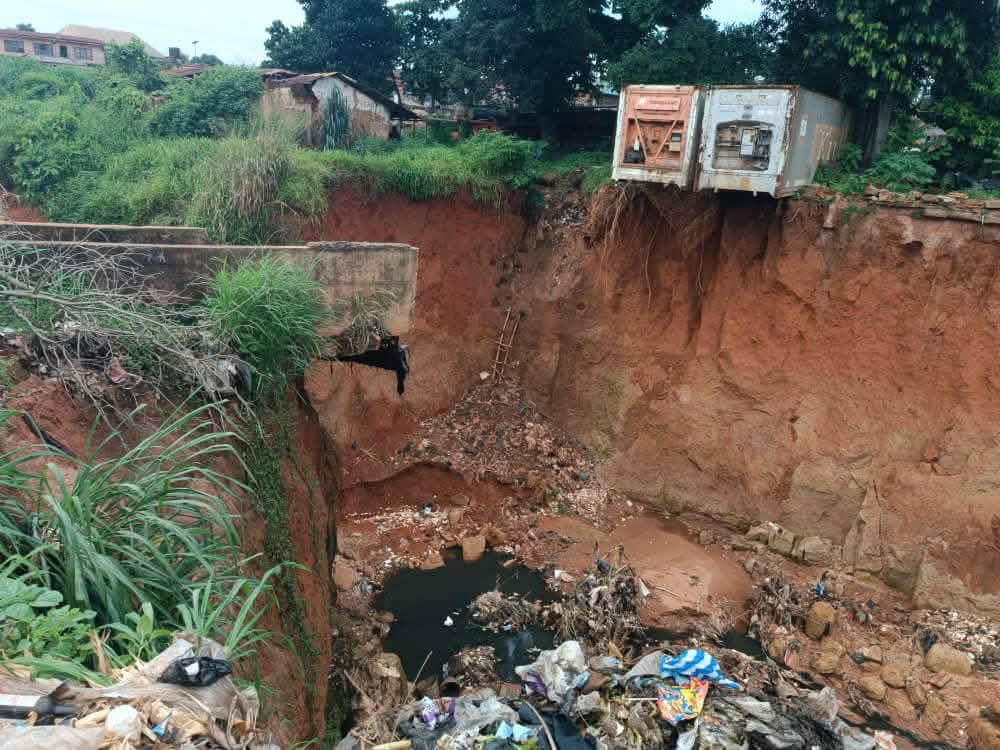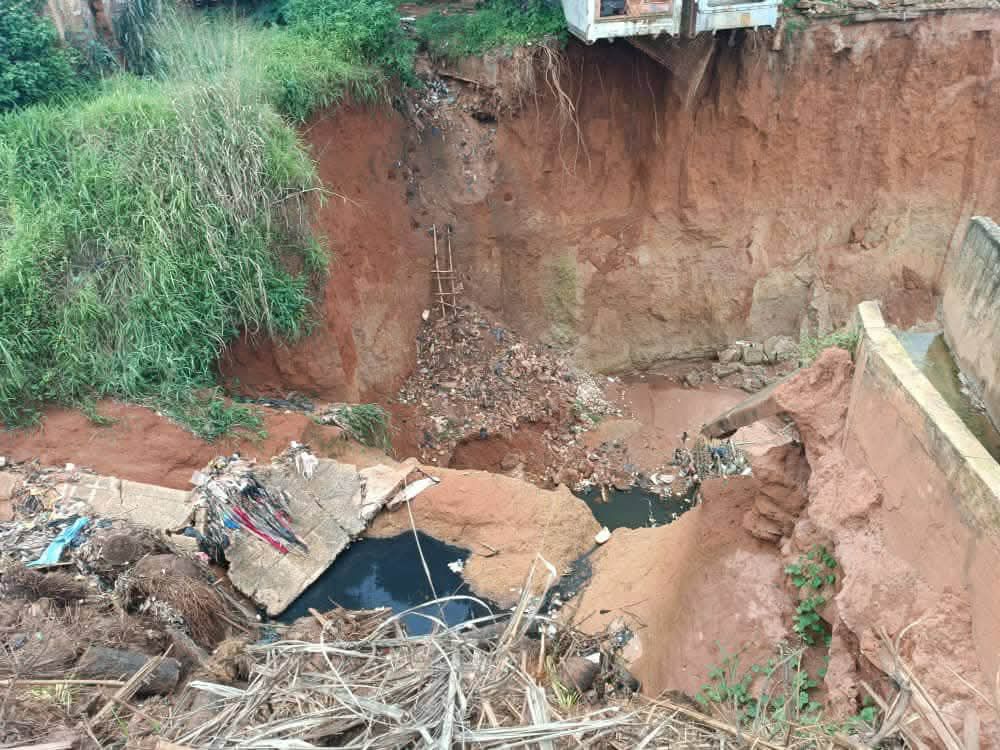





The Anambra State Commissioner for Environment, Hon. Clem Aguiyi, has called for greater community participation in tackling environmental degradation following an inspection of major erosion sites at Amaenye Village, Abagana, and Enu Agu Village, Enugwu Ukwu, both in Njikoka Local Government Area.
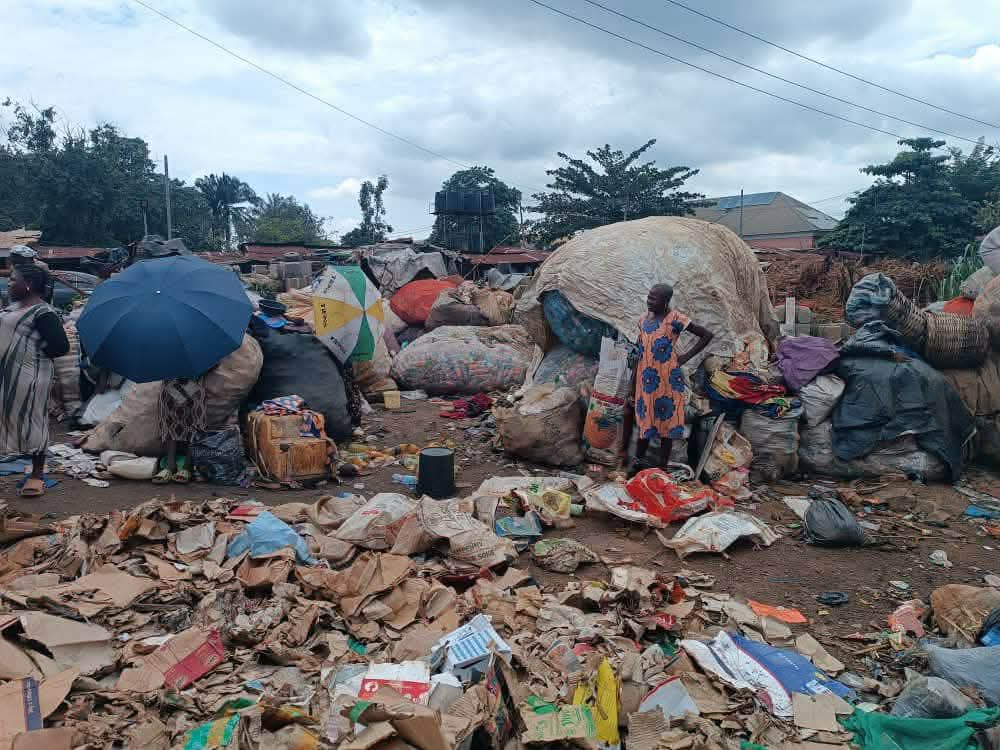
During the inspection, Aguiyi attributed the worsening gully erosion in Abagana to illegal waste disposal, blocked drainage channels, and other poor environmental practices. He explained that the visit followed complaints from residents about an illegal dumpsite and the rapid expansion of a gully threatening residential buildings, Nnamdi Azikiwe Secondary School, and a major access road.
The Commissioner stressed that the area is not an approved waste disposal site, urging residents to dispose of refuse only at designated dumpsites or through licensed waste management operators. He noted that indiscriminate dumping of waste into drainage channels has obstructed the free flow of stormwater, accelerating erosion, while poorly terminated drainage infrastructure has worsened flooding by directing runoff into surrounding land.
Aguiyi revealed that Anambra State has more than 1,200 identified erosion sites, making it impossible for the government alone to address the challenge. He therefore appealed to communities to avoid indiscriminate waste disposal, keep drainage channels clear, and promptly report environmental threats before they escalate into disasters.
At Enu Agu Village, Enugwu Ukwu, the Commissioner described the erosion site as one of the community’s most serious environmental challenges, noting that it has already destroyed nearly one kilometre of land and continues to threaten nearby infrastructure.
He commended the community for planting bamboo and other trees to slow the spread of the erosion and for undertaking local stabilization efforts. However, he said the extent of the damage now requires major engineering intervention from the state and federal governments, as well as development partners.
Aguiyi also expressed concern over reports that some individuals have been cutting down the bamboo planted to protect the erosion site. He directed the Forestry Department and forest guards to collaborate with the community in safeguarding the vegetation, emphasizing that revegetation is essential for sustainable erosion control.
Responding to concerns over poorly terminated drainage systems linked to some road construction projects, the Commissioner said the Ministries of Environment, Works, Housing, and Physical Planning now work closely together to ensure drainage infrastructure is properly designed and completed in line with environmental standards.
He assured residents that findings from the inspection would be communicated to the relevant ministries and agencies to address identified deficiencies, eliminate construction practices contributing to erosion, and strengthen environmental compliance across the state.
Speaking during the inspection, the Vice President General of the Abagana Welfare Union, Comrade Okechukwu Atu, explained that the erosion threatens a road serving St. Martin’s Catholic Church, Hilltop Primary School, and Nnamdi Azikiwe Secondary School. He said the situation has worsened because the drainage channel leading to the area is much wider than the downstream outlet, causing floodwaters to overflow and wash away sections of the road during heavy rainfall.
Atu warned that without urgent intervention, the road could become completely impassable, putting nearby homes and public facilities at greater risk. He appealed to Governor Chukwuma Soludo and relevant government agencies to take immediate action.
Angel Network News (ANN) reports that
residents of the affected communities expressed optimism that the inspection would lead to prompt government intervention to protect lives, preserve critical infrastructure, and prevent further environmental degradation.