




Key stakeholders in Anambra State have outlined critical reforms for the Independent National Electoral Commission (INEC) as Nigeria prepares for the 2027 general elections.
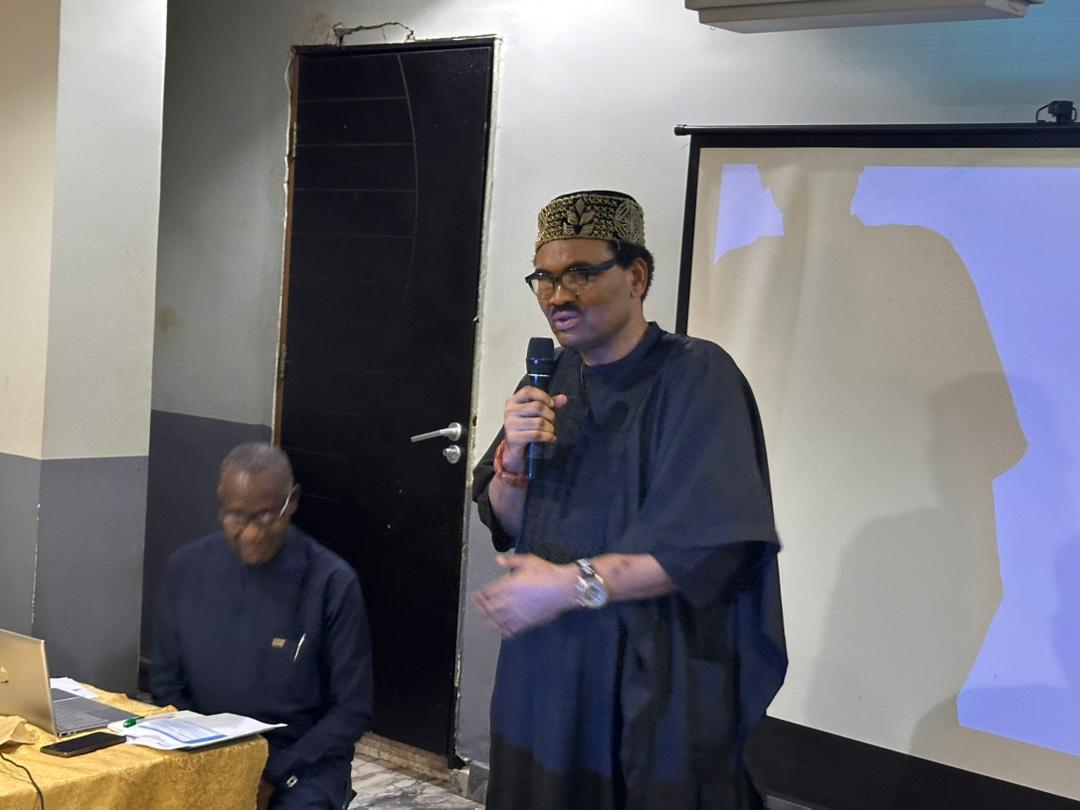
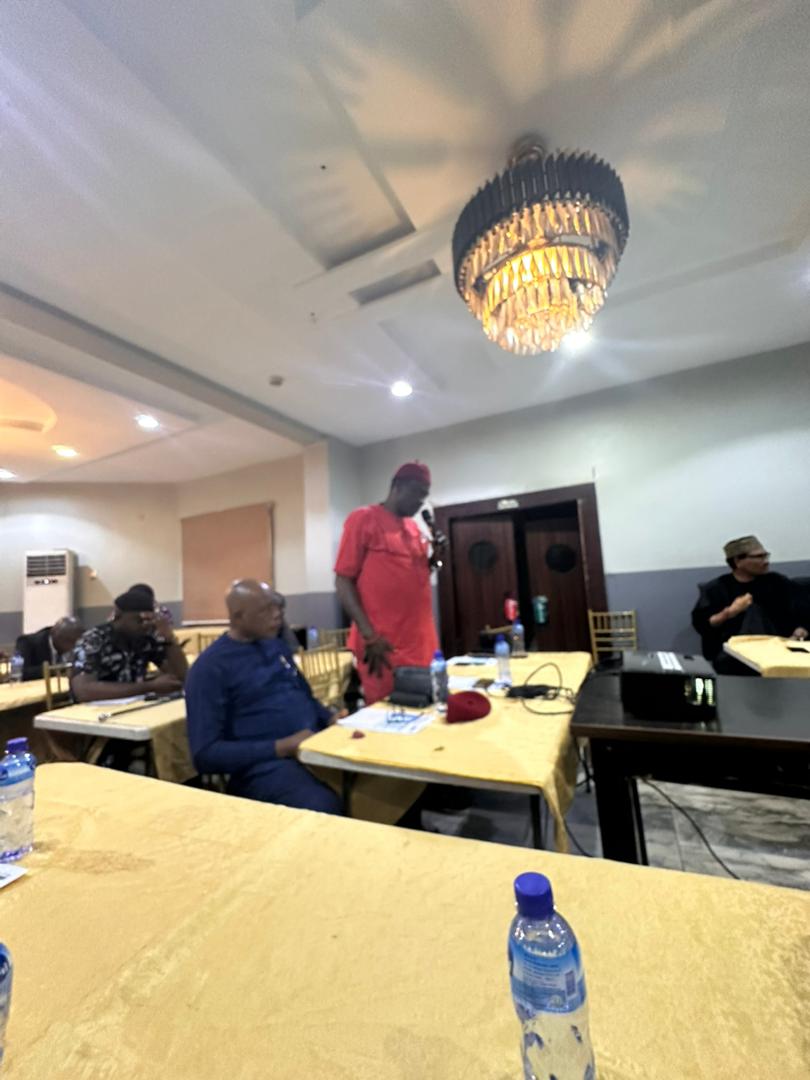
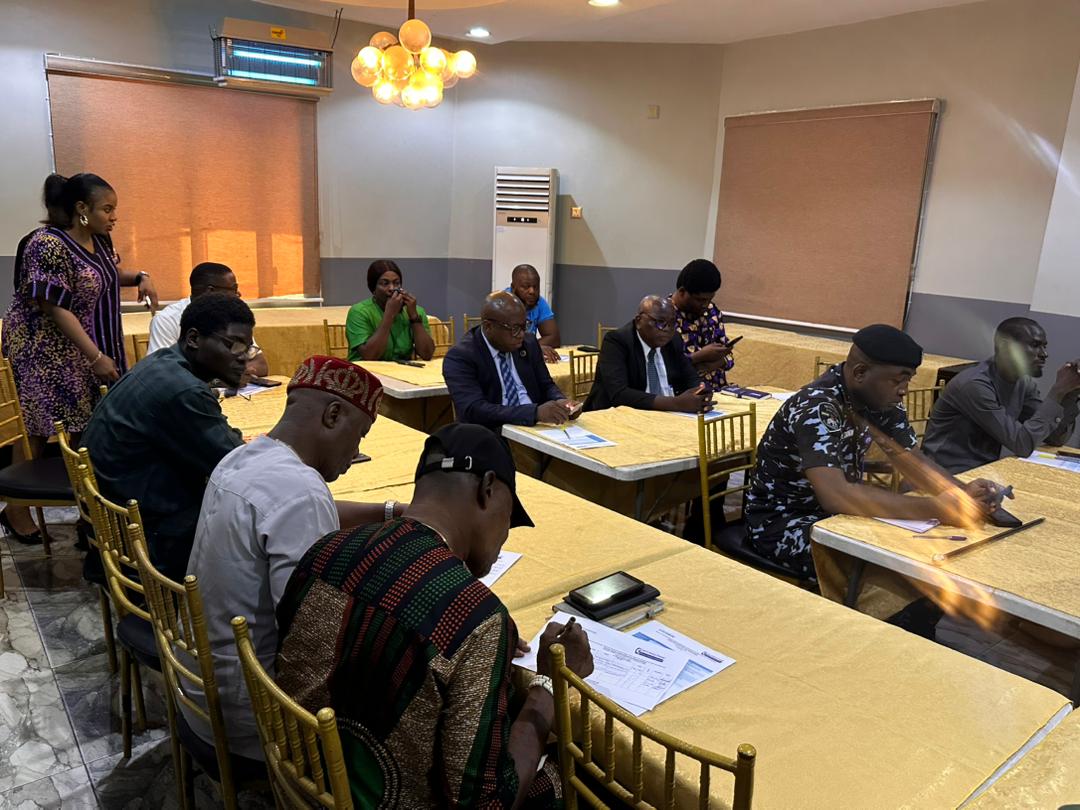
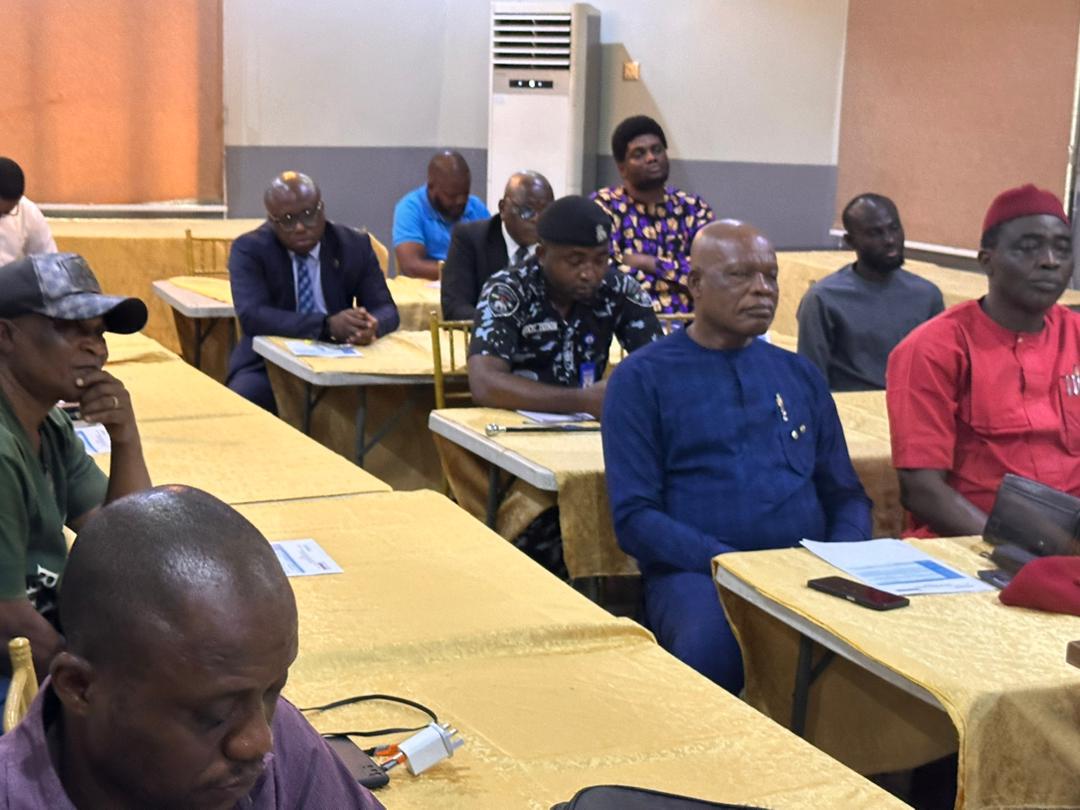
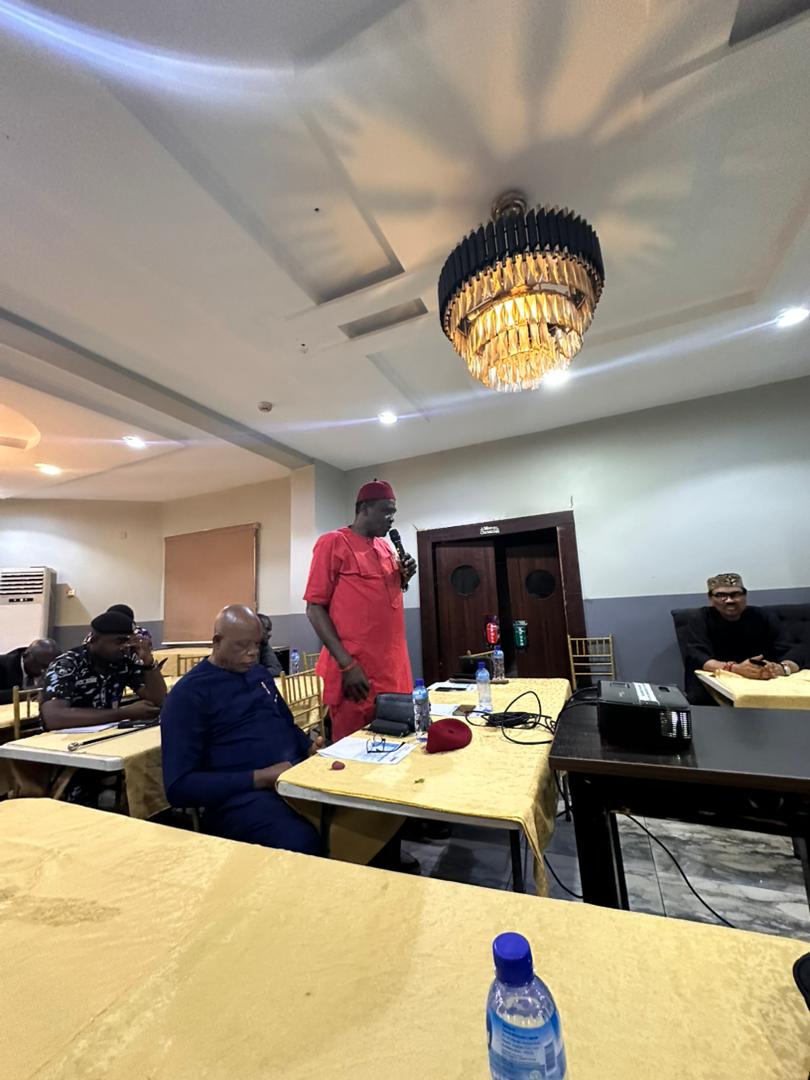
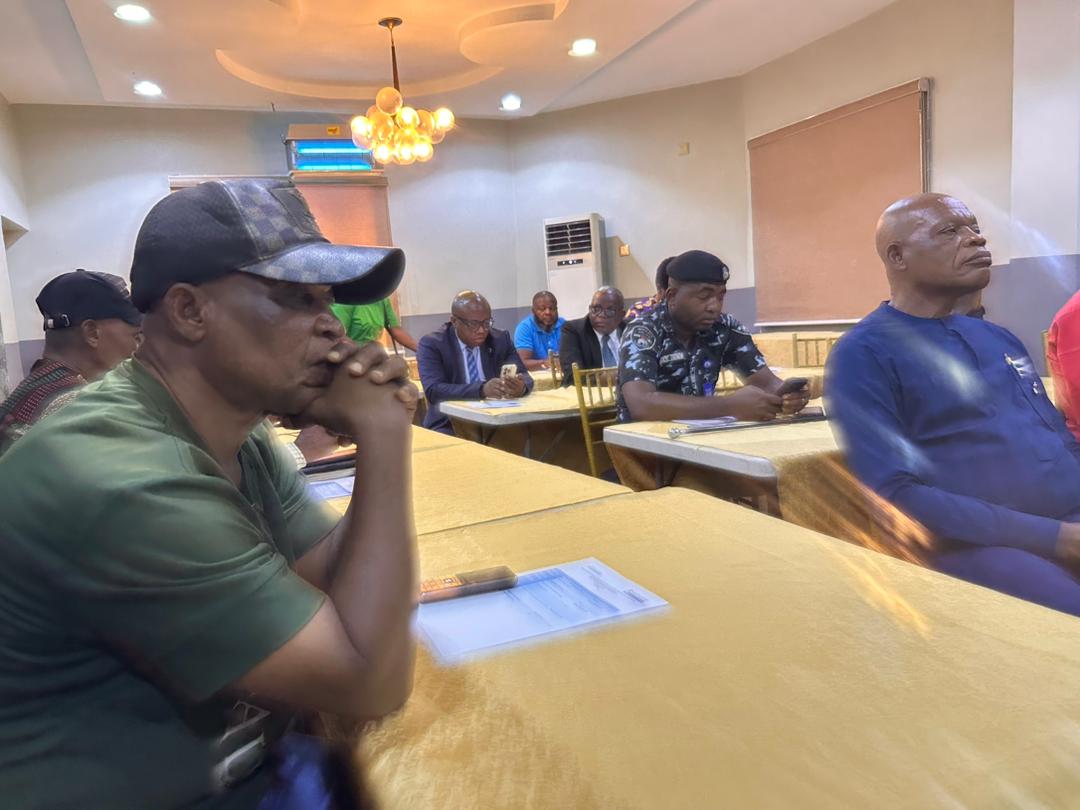
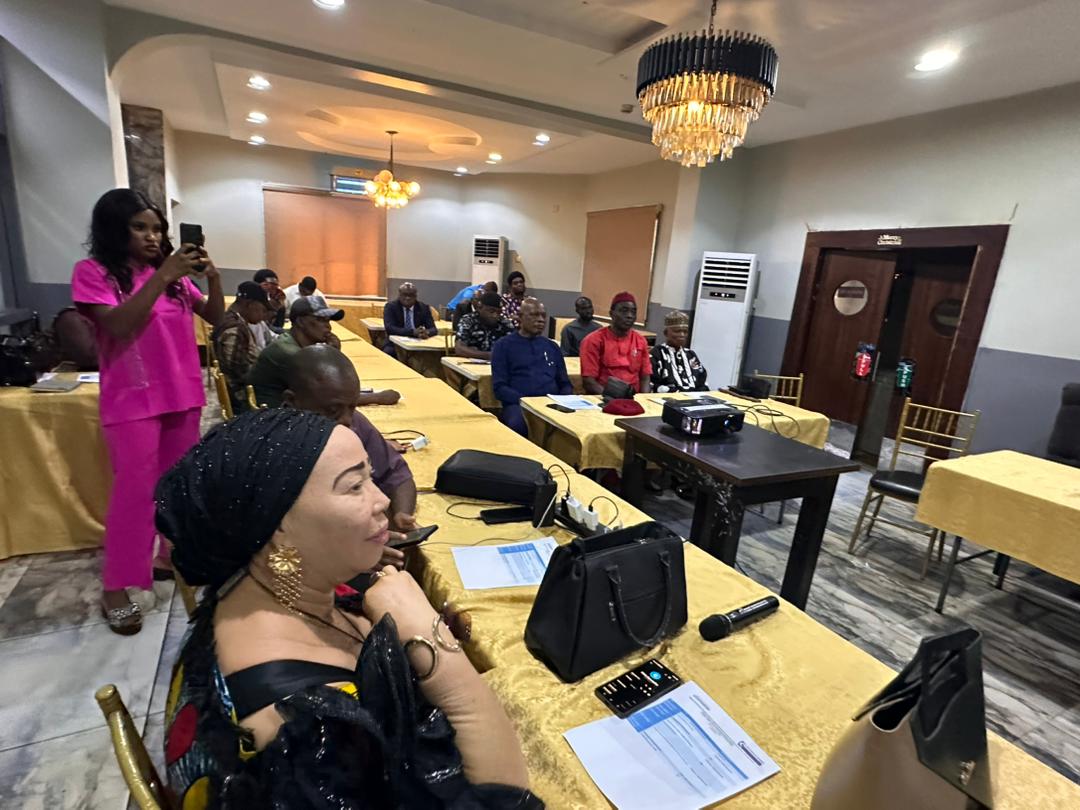
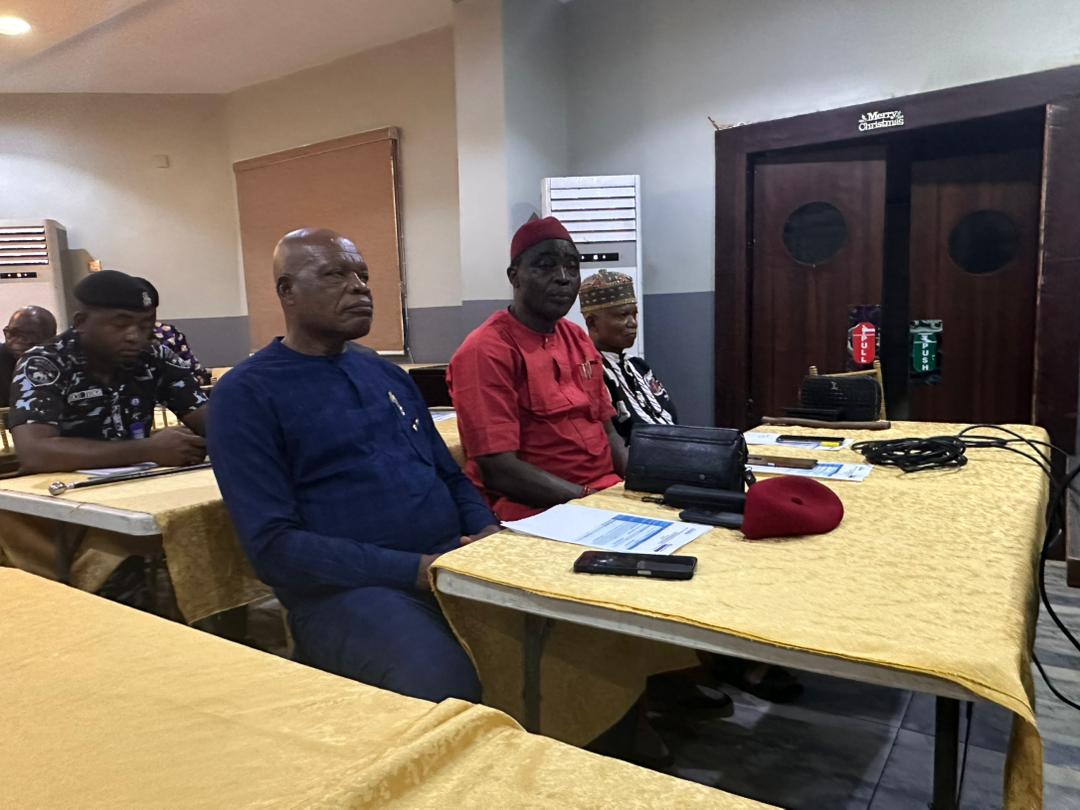
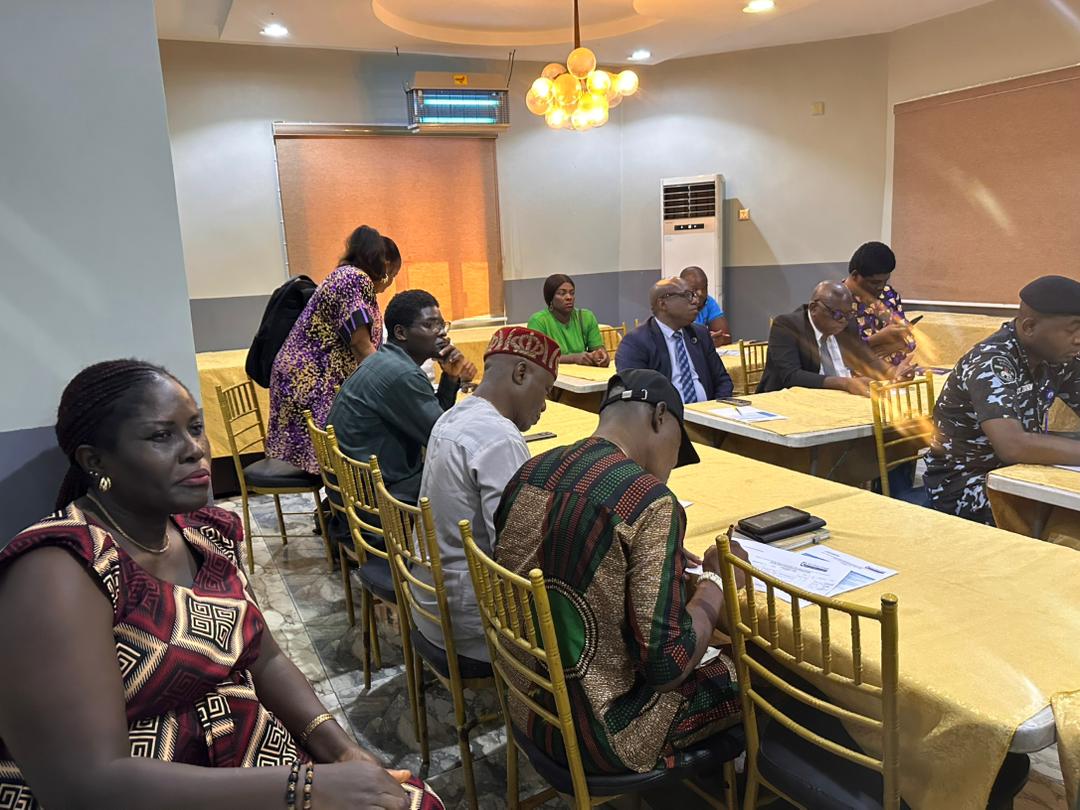
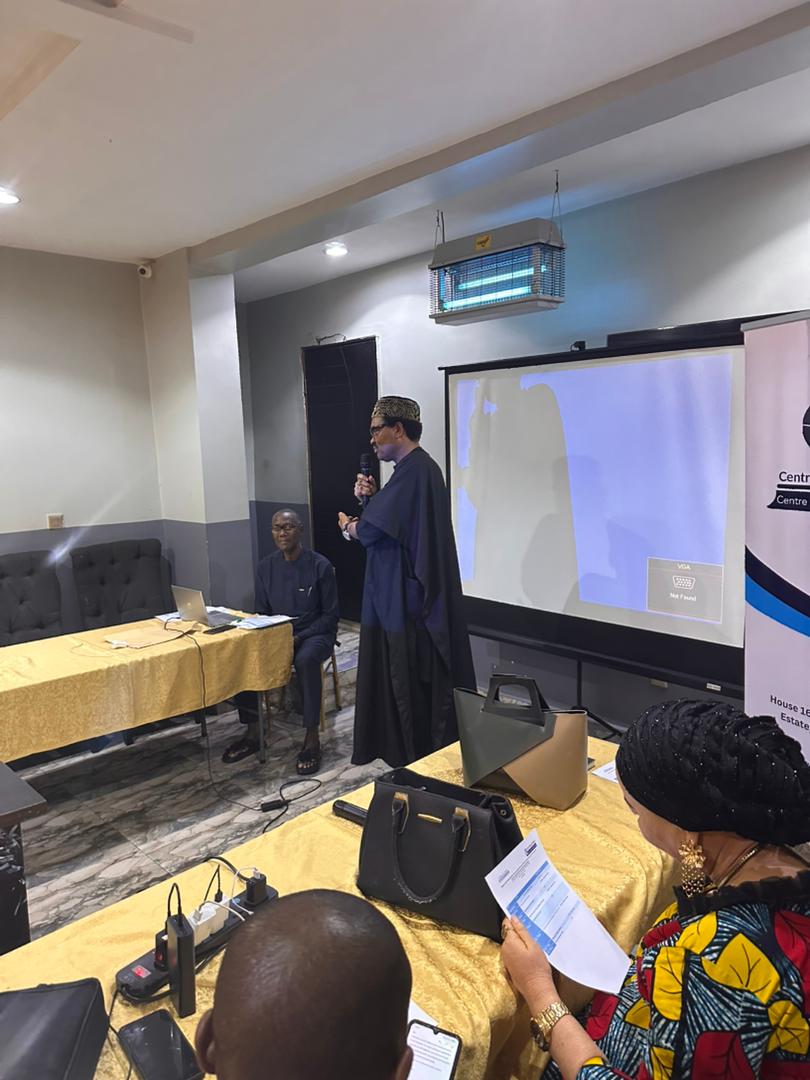
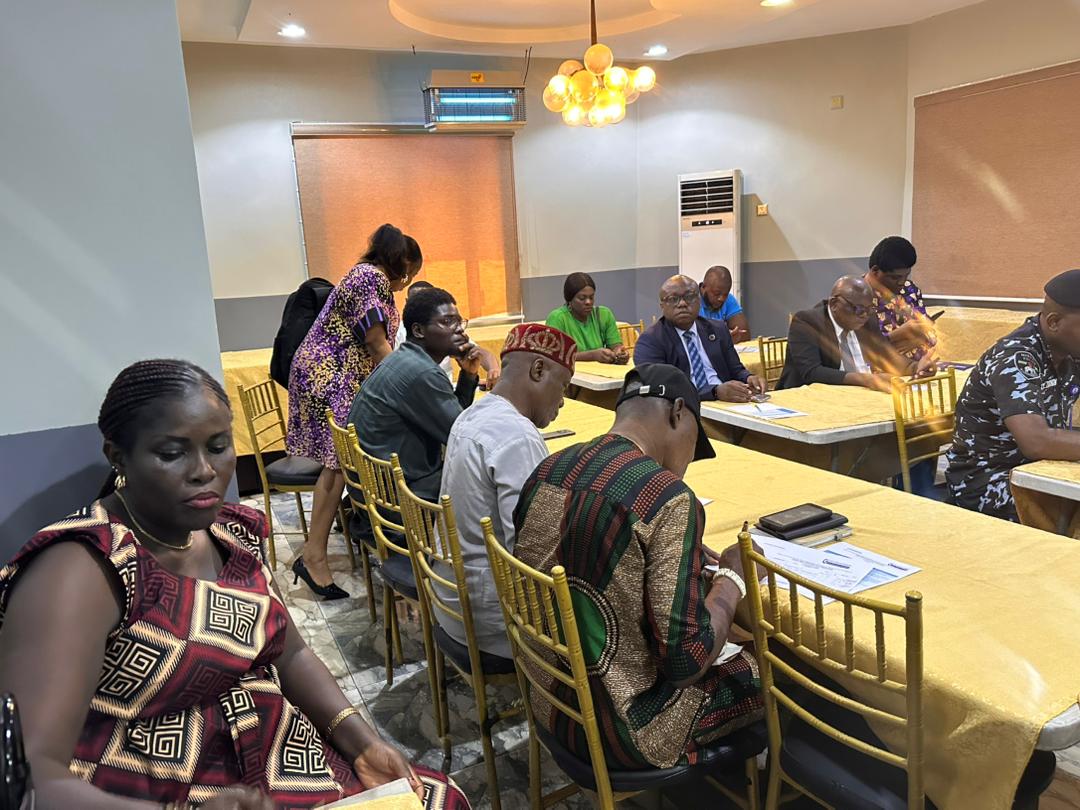
The recommendations were made during a one-day project monitoring and evaluation meeting held in Awka by the Nigeria Civil Society Situation Room in collaboration with the Centre for Democracy and Development (CDD). The meeting reviewed the November 8 Anambra State governorship election and assessed lessons for future electoral improvements.
Participants, including civil society organisations, security agencies, traditional rulers, the International Federation of Women Lawyers (FIDA), the National Orientation Agency (NOA), and members of the media, stressed the need for strengthened political education, enhanced security, capacity building, and electronic transmission of election results.
Stakeholders emphasized that direct transmission of results, clear legal definitions of vote buying, and credible announcement of winners would rebuild public trust and reduce voter apathy. They also called on schools, religious leaders, families, and community institutions to intensify value re-orientation campaigns to discourage vote buying and selling.
The State Director of NOA, Barr. Ifeoma Chijioke, alongside FIDA State Chairperson, Amara Muojeke, highlighted the importance of transparency in boosting voter confidence.
Contributing, the State Secretary of the Inter-Party Advisory Council, Comrade Uzochukwu Eminent, urged INEC to address overcrowding at polling units, while the State Secretary of the NUJ, Dr. Okechukwu Onuegbu, advocated improved accessibility and adequate voting materials for Persons With Disabilities (PWDs).
Earlier, the Chairman of the Anambra State Civil Society Network and President of the International Peace and Civic Responsibility Centre (IPCRC), Prince Chris Azor, noted that the engagement was aimed at drawing from voters’ experiences to drive electoral reforms and social change. He observed that Nigeria’s electoral system has evolved from the Option A4 system to the open secret ballot through consistent reforms.
Representing the CDD-West Africa Director, Dr. Garuba Dauda, Chibuike Mgbeahuruike stated that consulting stakeholders was necessary to identify what worked, what did not, and strategies to strengthen the electoral process ahead of 2027 and beyond.
The meeting ended with a collective resolve to collaborate towards deepening democracy, transparency, and good governance in Nigeria.
