

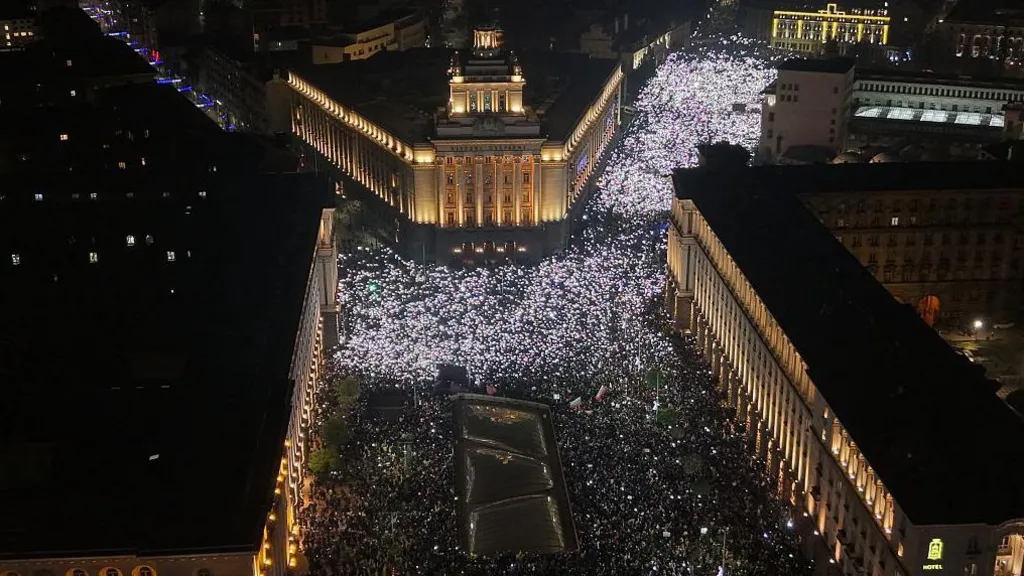
The government of Bulgarian Prime Minister Rosen Zhelyazkov has resigned after protesters took to the streets in cities across the country and filled the centre of the capital Sofia on Wednesday night.
Zhelyazkov’s dramatic move came ahead of a vote of no confidence in parliament, and 20 days before Bulgaria joins the euro.
Protesters had accused his minority centre-right government, in power since January, of widespread corruption.
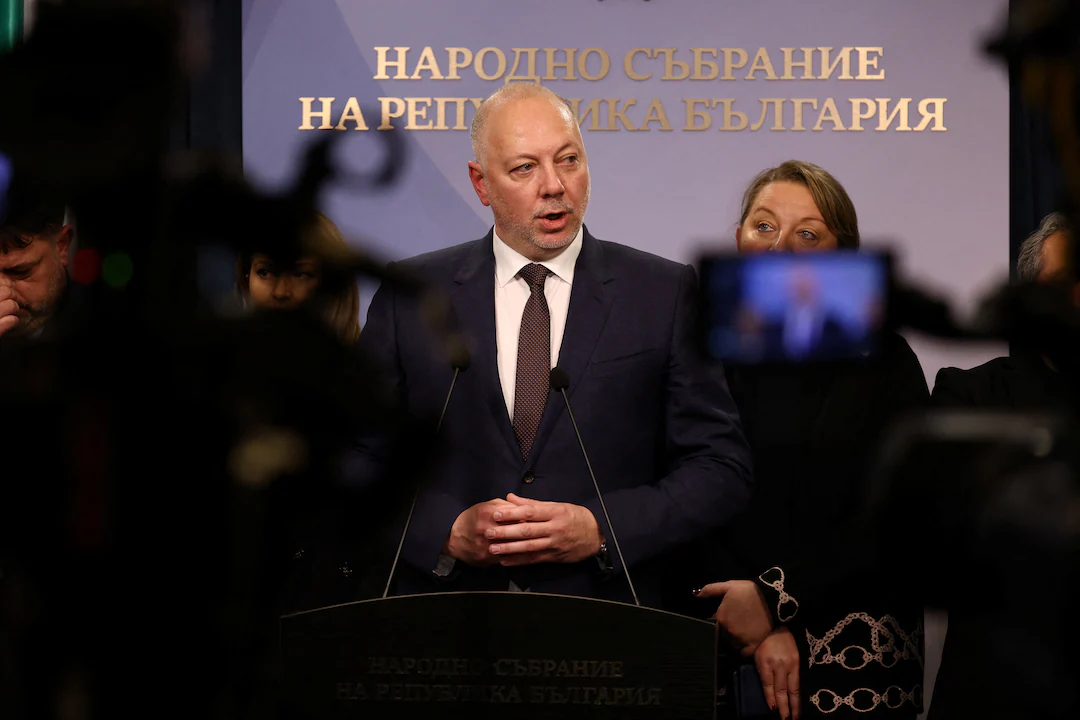
“We hear the voice of citizens protesting against the government,” Zhelyazkov said in a TV address.
“Both young and old have raised their voices for [our resignation],” he added. “This civic energy must be supported and encouraged.” A statement on the government website said ministers would continue in their roles until a new cabinet was elected.
Between 50,000 and 100,000 people turned out in Sofia’s central Triangle of Power and Independence Square on Wednesday evening calling for the government to go. The words “Resignation” and “Mafia Out” were projected onto the parliament building.
The movement against Mr. Zhelyazkov’s coalition government began over a proposed budget for next year that would have increased taxes and social security contributions to finance more public spending in Bulgaria, one of the European Union’s poorest countries.
It was also to be the country’s first budget counted in euros as Bulgaria formally adopts it as its currency on Jan. 1. Christine Lagarde, the president of the European Central Bank, predicted last month that the move could briefly increase inflation.
The protest movement grew to encompass broader issues, including corruption, said Dimitar Keranov, a Bulgarian analyst at the German Marshall Fund in Berlin. He said many people who are concerned about government corruption believe it is being perpetuated by politicians who favor alignment with Russia. “The protests may have started because of the budget, but actually it’s about where there is corruption in the government, which ultimately serves the public interest,” he said.
Still, he said, the protests demonstrate how the country “is on its path” toward the West, and any perception that Bulgaria is being pulled between Europe and Russia “appears to be bigger than it actually is.”
