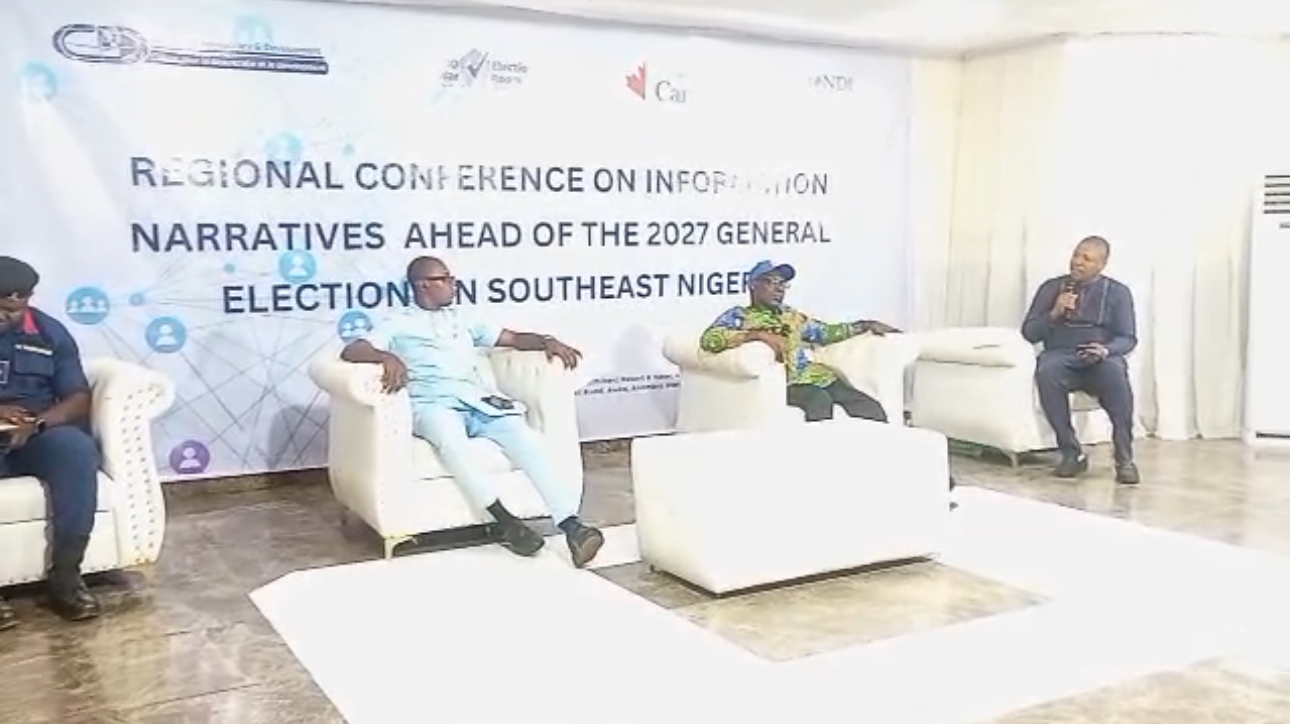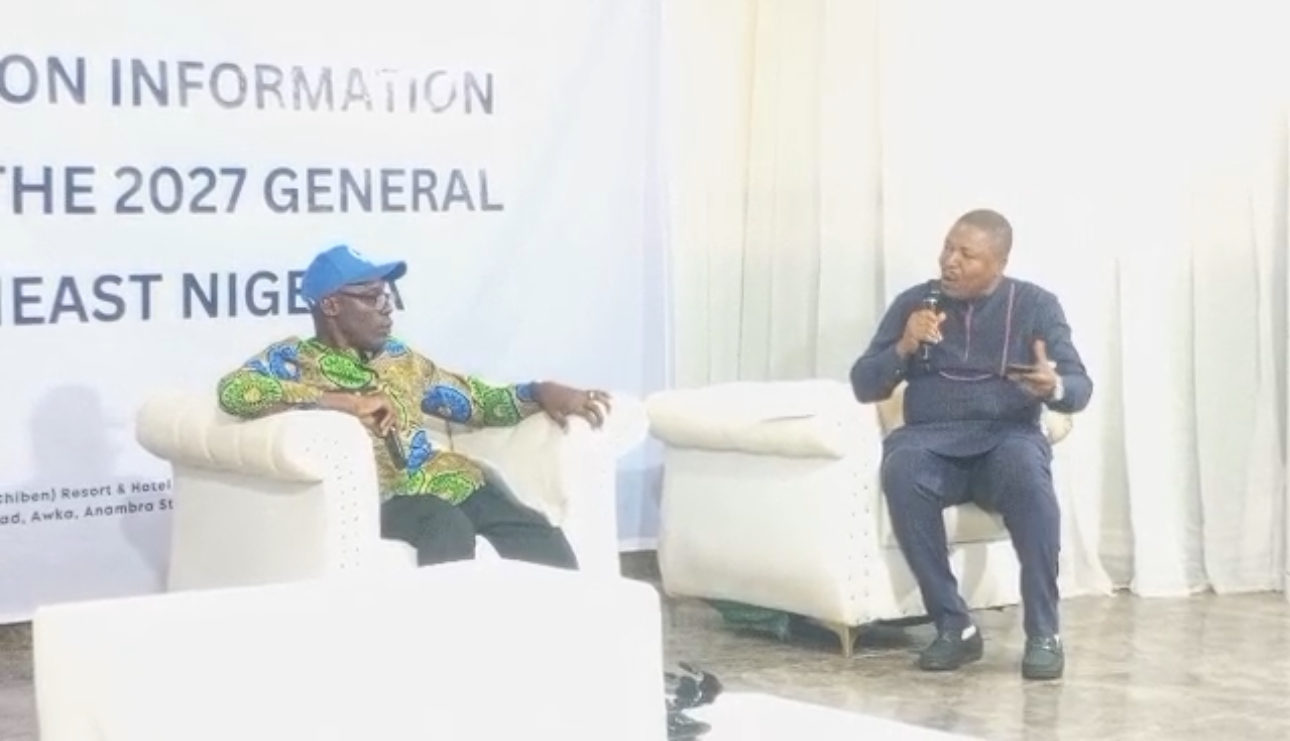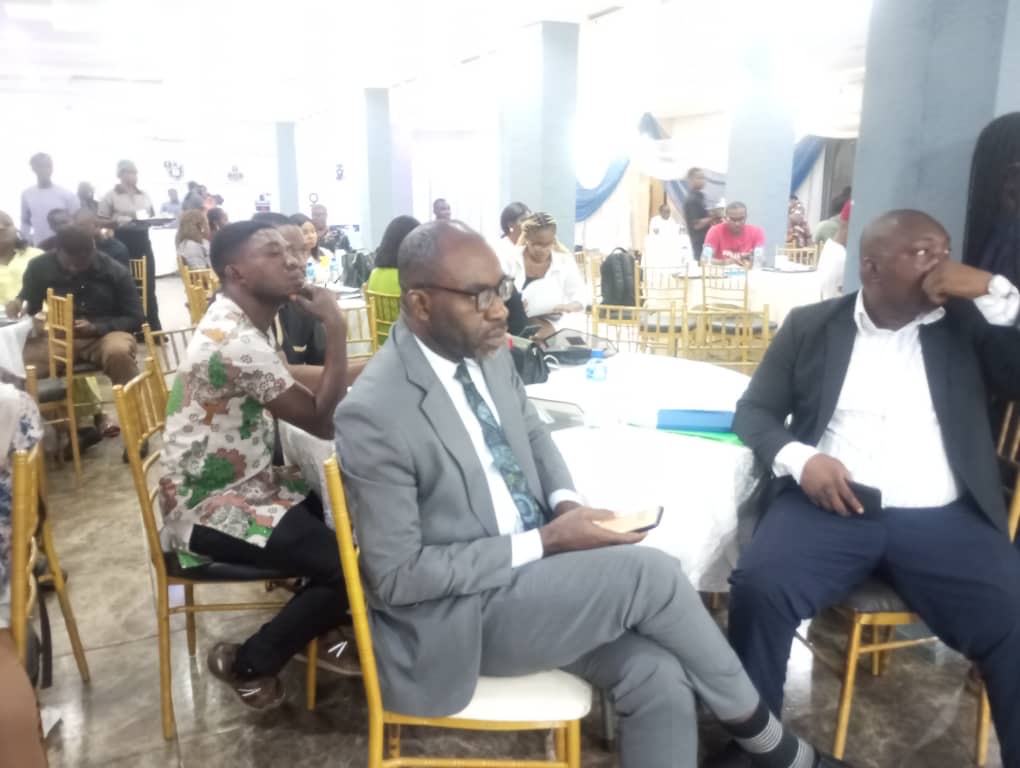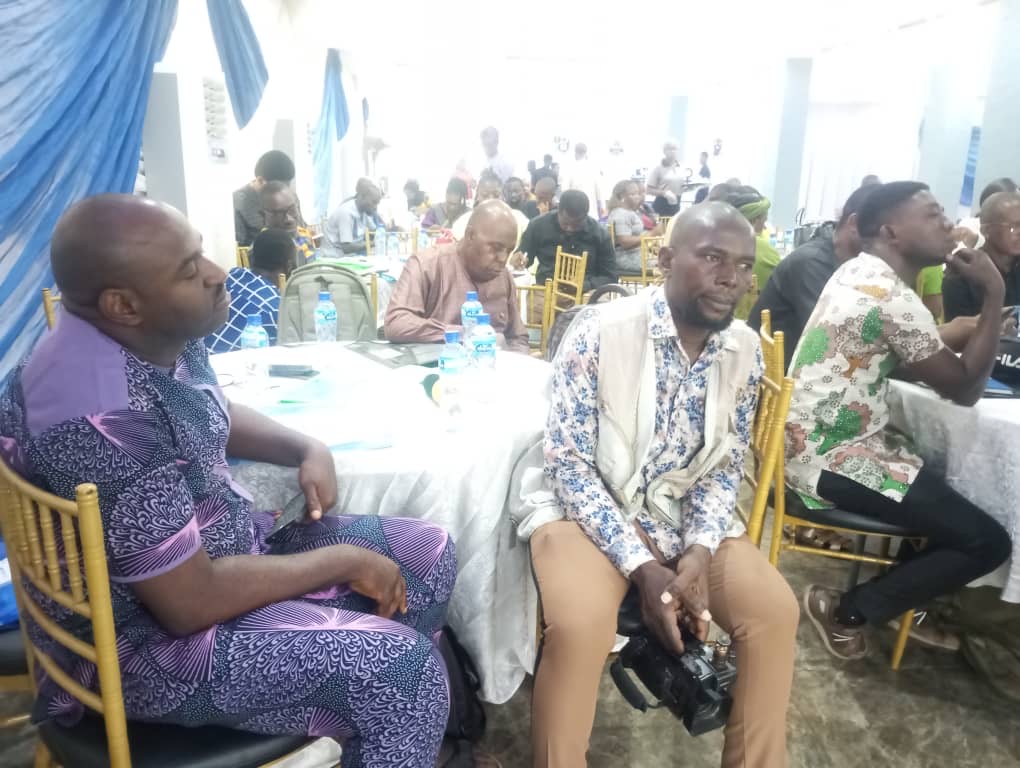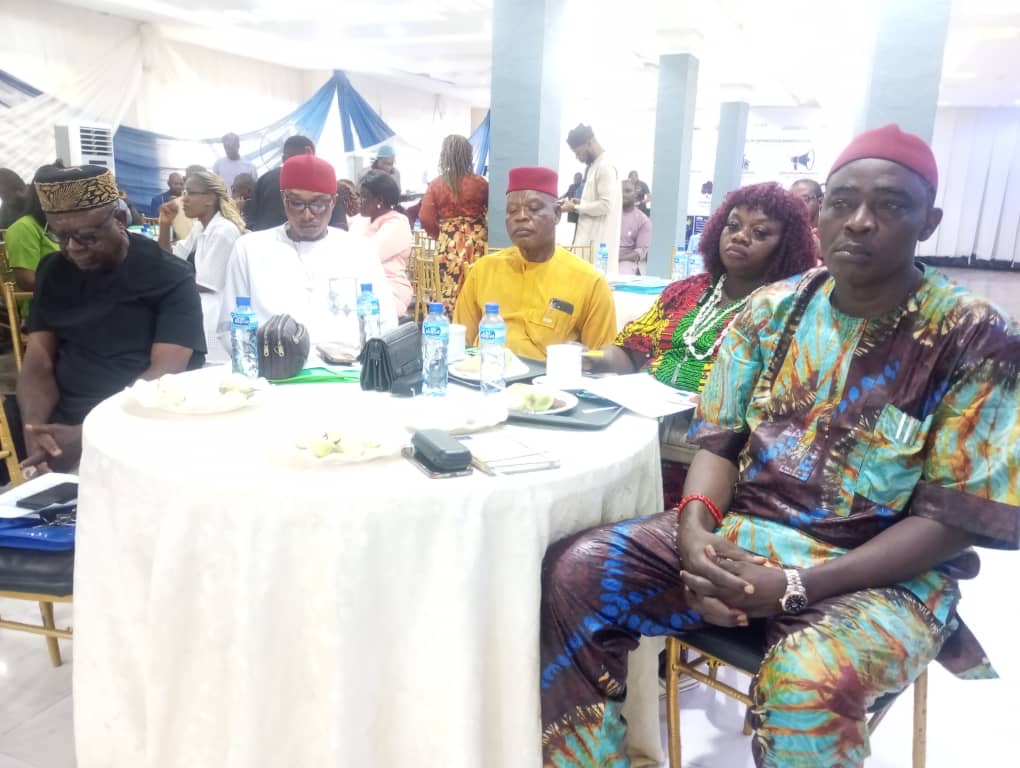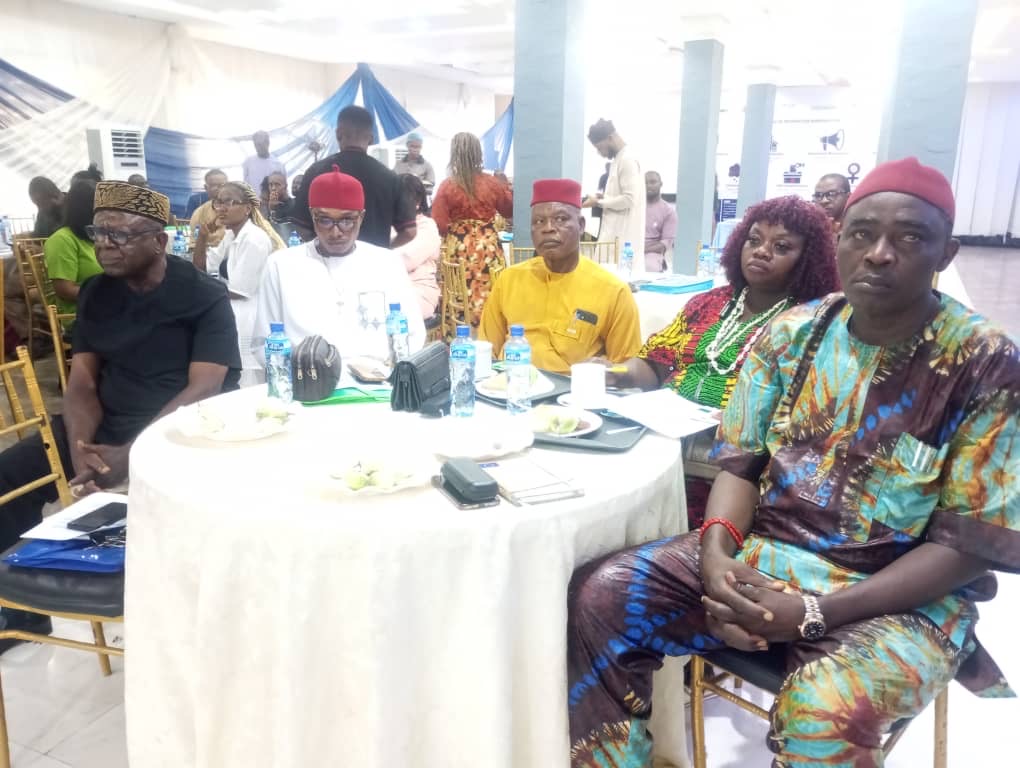





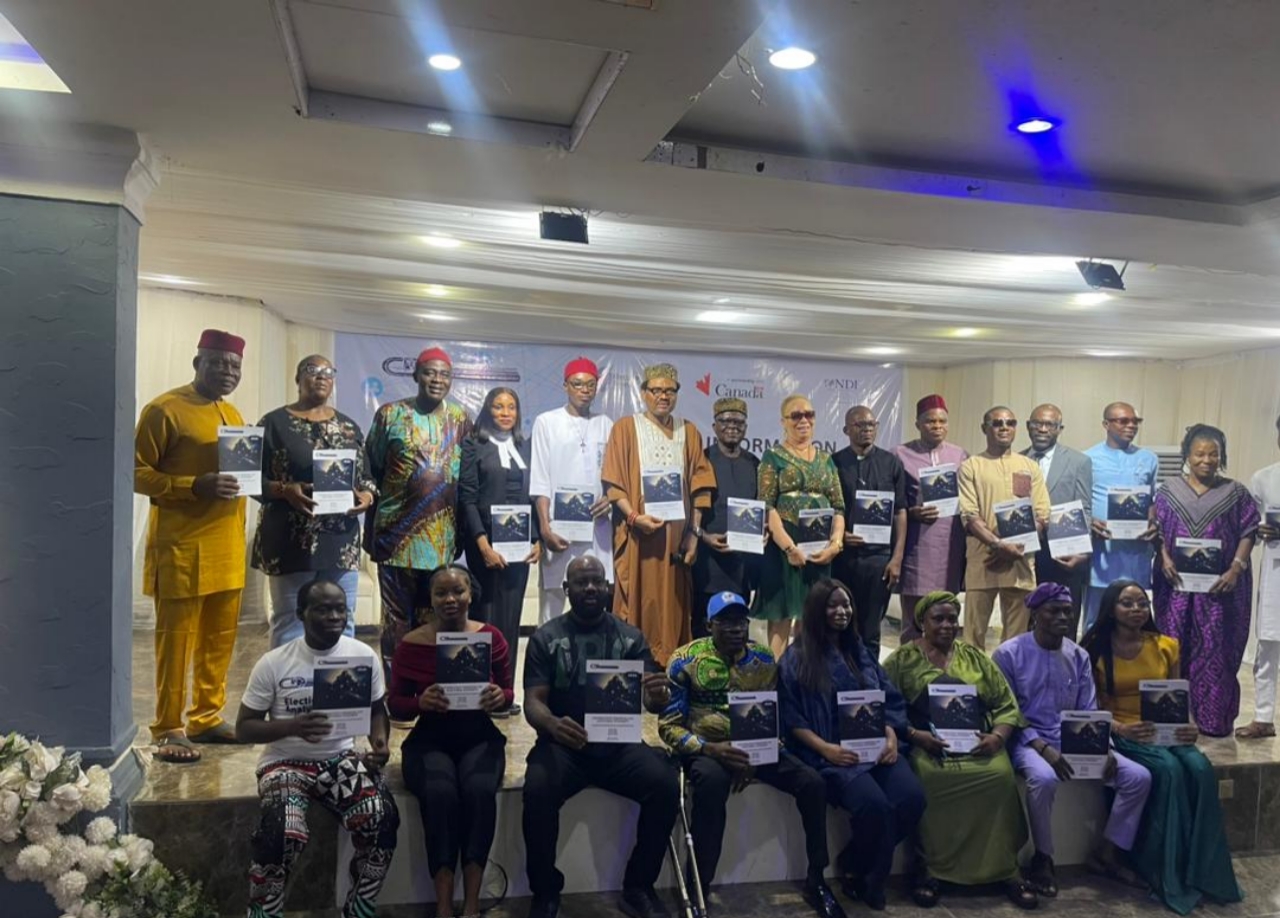
The Centre for Democracy and Development (CDD) West Africa has launched a high-level dialogue in Anambra State, Wednesday, March 18, 2026, aimed at reversing the trend of voter apathy and strengthening Nigeria’s democratic foundations.
Led by election consultant Mr. Chibuike Mgbeahuruike, on behalf of Dr. Dauda Garuba, the engagement brought together a diverse coalition of leaders from the media, legal, and civic sectors to address the underlying causes of electoral disengagement.
Prince Chris Azor, Chairman of the International Peace and Civic Responsibility Centre (IPCRC), contributed a vital perspective on the necessity of civic engagement.
He argued that doing away with corruption in a country where many “feed fat” on it is no easy task, stressing that the path to a functional democracy requires a collective effort to strengthen institutions.
He urged all participants to work together to promote unity, ensuring that every piece of information shared serves to build the nation rather than tear it apart.
Dr. Henry Duru, a Senior Lecturer at the Department of Mass Communication, Nnamdi Azikiwe University, who anchored a key session, provided deep insights into the mechanics of public perception.
He argued that the introduction of technology alone cannot guarantee credibility if the “mental state” of the people remains plagued by distrust.
Dr. Duru emphasized that the resilience of the electoral system depends as much on the psychological readiness of the electorate as it does on technical infrastructure, urging a shift toward narratives that promote peace and unity.
Sir Chuka Nnabuife, the Director of ANCIPRO, highlighted the information crisis, noting that the biggest challenge in the Southeast is that those who currently control public opinion are often not media professionals.
He stressed the need for stakeholders to “arm themselves with tools to fact-check information” before reposting, arguing that professionalizing the information space is critical to nipping misinformation in the bud before it poisons the electoral process.
Adding to the discourse on social stability, Barrister Amara Muojeke, Esq., Chairperson of FIDA Nigeria (Anambra Branch), expressed concern over how disinformation fuels polarization.
She and other legal experts particularly frowned at aspects of the Electoral Act that make academic qualifications seem insignificant, arguing that such low benchmarks hinder the quest for quality leadership and make the fight against institutional corruption an uphill battle.
From the grassroots level, Mrs. Virginia Nkechi Okeke, Secretary of the Market Women Organisation in Awka, highlighted that while women are eager to exercise their civic duties, their participation hinges on safety.
She emphasized that the government must prioritize the security of lives and property to ensure that voters feel confident enough to leave their homes and businesses to cast their ballots on election day.
Other key stakeholders in attendance included Barrister Ifeoma Chibuike (Director of the National Orientation Agency), Inalegwu Shaibu of the ICPC, and Her Worship, Maria Nwadimkpa Anyabelubo.
The traditional institution was represented by Chief Ikenna Chibuike, liaison officer for the Eze Obosi, alongside representatives from the NSCDC, the academia, and various civil society partners, all of whom committed to carrying these critical lessons back to their respective memberships.