





China’s imports from Nigeria rose by 81 percent in the first half of 2026 to $2.25 billion, the Chinese embassy in Abuja said, linking the surge to expanding bilateral trade and Beijing’s zero-tariff policy for Nigerian goods.
In a statement issued on Wednesday and signed by embassy spokesperson Zhu Songbo, the mission said Chinese statistics showed imports from Nigeria totalled $2.25 billion between January and June, compared with the same period a year earlier.
Imports reached $360 million in May, up 44 percent year-on-year, and climbed further to $440 million in June, a 42 percent increase.
The embassy attributed part of the growth to China’s decision, effective May 1, 2026, to grant zero-tariff treatment on 100 percent of tariff lines to products from Nigeria and 52 other African countries with diplomatic ties to Beijing. “The positive impact of this policy has already begun to emerge,” it said.
The statement also addressed differences between Chinese and Nigerian data on capital inflows. Nigerian figures showed Chinese capital importation falling 40.9 percent in the first quarter of 2026 to $5.55 million. Chinese records, however, put direct investment in Nigeria at more than $50 million in the same period, “broadly unchanged from the same period last year.”
“The apparent difference between the two sets of figures is primarily attributable to differences in statistical methodology,” the embassy said. “China’s investment in Nigeria mainly takes the form of direct investment, with a strong focus on the real economy, including manufacturing and infrastructure.”
It noted similar gaps in previous years, with Chinese data showing far higher direct investment totals than Nigerian capital importation statistics for 2024 and 2025.
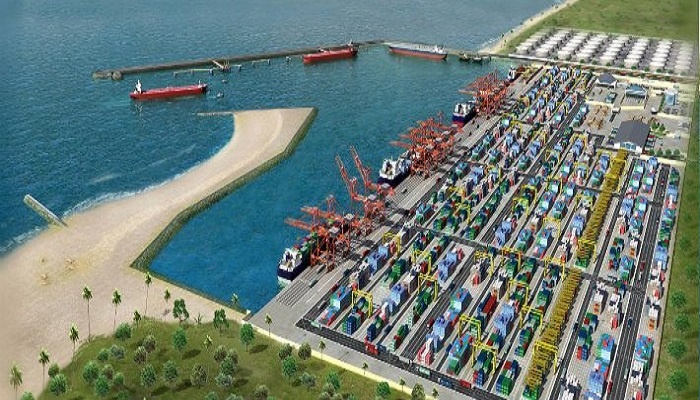
Chinese firms remain active in Nigeria, particularly in the Lekki Free Trade Zone, where cumulative investment has exceeded $1.5 billion and more than 8,000 direct jobs have been created. Seven new enterprises were established there in the first half of 2026 alone, the embassy said.
“Chinese enterprises continue to inject new momentum into Nigeria’s economic and social development by promoting industrial growth, generating tax revenues, creating employment opportunities and improving people’s livelihoods,” Songbo stated.
This year marks the 55th anniversary of diplomatic relations between the two countries. China pledged to encourage further investment and deepen cooperation in both traditional sectors such as infrastructure and manufacturing, and emerging areas including artificial intelligence, clean energy and the digital economy.
