


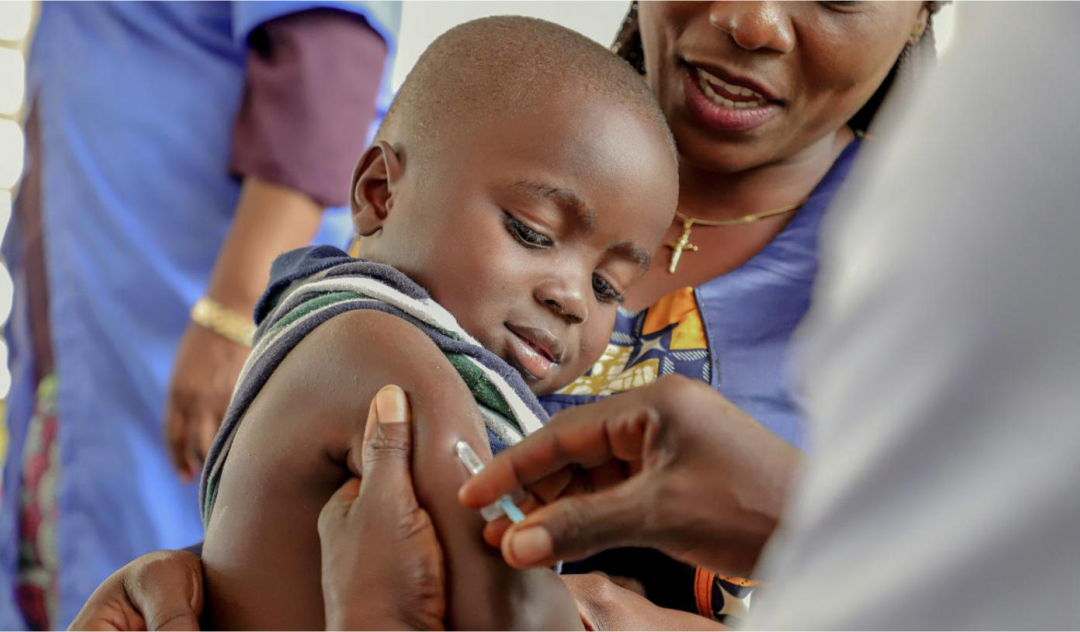
Enugu State have administered measles-rubella vaccines to over 1.5 million children, achieving 68 percent of their goal to cover more than two million youngsters in a bid to eradicate the diseases, officials said Wednesday.
The milestone was revealed at the launch of the integrated campaign at Michael Okpara Square, where health chief Ifeyinwa Ani-Osheku hailed the effort as a bold step toward safeguarding public health.
“We are gathered here today not just for a ceremony but for a declaration. We declare that the life of a child in Nsukka is as valuable as the life of a child in New York,” she said. “In Enugu, the health of our children is non-negotiable. We declare zero measles and zero rubella in Enugu State.”
Ani-Osheku, executive secretary of the state’s Primary Health Care Development Agency, credited intensive outreach by workers who canvassed homes, schools, churches and mosques, with no major side effects reported. She underscored the vaccines’ dual protection: “Science has gifted us a vaccine, one shot, double protection. The vaccine is safe and effective, and this success belongs to our communities.”
State Secretary Chidiebere Onyia, standing in for Governor Peter Mbah, framed the initiative as essential to long-term prosperity. “Our future is not in the roads we build or the industries we attract. Our future is sitting in classrooms, playing in courtyards and lying in cradles across Enugu State. Our future is our children,” he stated.
Onyia highlighted broader reforms, including decentralizing primary care to local authorities, payroll cleanups and access to federal health funds, while calling for full coverage: “In vaccination, 68 per cent is commendable, but it is not enough. The virus looks for the gaps. Let us find the remaining children. Our goal is simple: zero measles, zero rubella, full protection.”
The drive targets children from nine months to 14 years, addressing vulnerabilities exacerbated by COVID-19 disruptions, per World Health Organization data noting measles as a top killer of young kids and rubella’s risks to fetuse
