





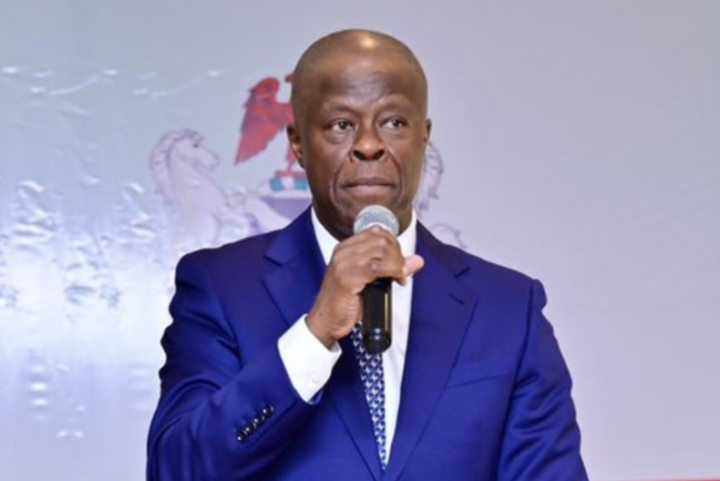
President Bola Tinubu on Tuesday dismissed Finance Minister Wale Edun and replaced him with Taiwo Oyedele, a cabinet shake-up that has rattled investors and sparked fresh questions over the direction of Africa’s largest economy.
The dismissal was announced in a memo by Secretary to the Government of the Federation, Senator George Akume, citing the president’s constitutional powers under Sections 147 and 148 of the 1999 Constitution. Edun was directed to hand over to Oyedele, while Housing and Urban Development Minister Ahmed Muda Dangiwa was similarly removed and told to hand over to minister-designate Muttaqha Rabe Darma. No official reason was given for either dismissal.
Reforms Credited, But Gaps Persist
Edun had been the principal architect of Tinubu’s “Renewed Hope” economic reform agenda, which included fuel subsidy removal and exchange rate liberalisation. He had previously credited the policies with lifting Nigeria’s GDP growth to 4.07 percent in the fourth quarter of 2025, up from 2 percent in 2023, and said inflation had dropped to 15 percent from 22.04 percent.
Yet the numbers on paper have not translated to relief at the grassroots. Despite the improving macro indicators, many Nigerians continue to grapple with high costs of living, transportation, and food.
The timing of the sack is also notable — it comes just days after Edun returned from the World Bank/IMF Spring Meetings in Washington, where he publicly stated that Nigeria would not seek an IMF bailout and assured of stable domestic economic policies.
Opposition Raises Alarm Over N34 Trillion Claims
Opposition African Democratic Congress chieftain Dino Melaye alleged that Edun’s removal was connected to N34 trillion in hidden government spending recently flagged by the World Bank in its Nigeria Development Update report. Separately, another account linked the sack to widespread complaints over inadequate capital budget releases since 2023.
Economist: The Problem Was Execution, Not Intent
Finance professor Godwin Oyedokun of Lead City University told ANN the dismissal should not be read simply as an indictment of Edun’s reform agenda.
“The real critique lies in execution, sequencing and social cushioning, not necessarily the intent or logic of the reforms themselves,” Oyedokun said.
He argued that cabinet reshuffles could serve a positive purpose if handled transparently, but warned of the risks of abrupt, unexplained changes.
“On one hand, it can signal responsiveness — a willingness by the government to recalibrate strategy and inject new energy into economic management. On the other hand, if perceived as abrupt or lacking clear justification, it risks undermining investor confidence by introducing uncertainty about policy continuity,” he said.
Markets Feel the Pressure
Financial markets reflected the unease. The naira weakened against the dollar, closing at N1,350.74/$, while equities on the Nigerian Exchange Limited posted a gain of N88 billion — a sharp retreat from the N609 billion recorded the previous session.
The development also coincides with the International Monetary Fund downgrading Nigeria’s growth forecast to 4.1 percent from 4.3 percent, citing rising pressures from global shocks linked to the Middle East crisis.
Oyedokun urged the government to maintain clear and consistent communication in the transition period, stressing that policy coherence — not the identity of the minister — would ultimately determine how domestic and foreign investors respond.
