



When FIFA officially ratified the hosting plan for the 2030 World Cup, it didn’t just pick a location—it fundamentally rewrote the playbook for global sports diplomacy.
A century after Montevideo hosted the inaugural tournament in 1930, the Men’s FIFA World Cup is returning in 2030 as a sprawling, 48-team mega-event spanning six countries and three continents.
But behind the glossy press releases lies a story of political maneuvering, geopolitical intrigue, and backroom compromises that reshaped the international football landscape forever.
Here is the full story of how Spain, Portugal, and Morocco—alongside three South American nations—came together to capture the centenary World Cup.
The Seed: The Iberian Foundation
The journey began in October 2020 when neighboring European allies Spain and Portugal formally unveiled a joint bid.
Spain brought prestige and infrastructure, having previously hosted the 1982 World Cup and boasting world-class venues like Barcelona’s Spotify Camp Nou and Madrid’s Santiago Bernabéu. Portugal, which had never hosted a World Cup despite its rich footballing pedigree, provided modern European stadiums, such as Lisbon’s Estádio da Luz, built during Euro 2004. Joined by shared infrastructure, economic synergy, and geographic proximity, the Iberian bid positioned itself early on as the stable, top-tier European candidate.
The Plot Twist: Ukraine Enters (and Exits) the Stage
In October 2022, amidst the height of the Russian invasion, Spain and Portugal made a headline-grabbing announcement: they were officially adding Ukraine as a third co-host.
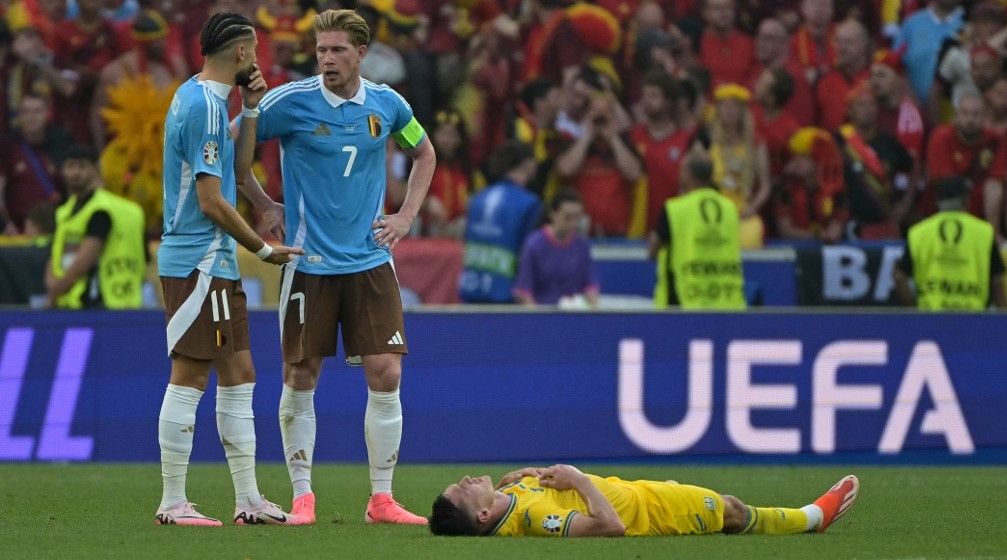
The move was designed as a powerful symbol of European solidarity and hope, projecting an image of resilience through sport. However, practical realities quickly eroded the romantic vision. As the war dragged on without resolution, logistical concerns mounted. Worse, the bid suffered a major public relations blow when Andriy Pavelko, the president of the Ukrainian Football Association, was arrested under fraud and money-laundering charges.
Realizing the arrangement was no longer viable, the bid committee quietly sidelined Ukraine by early 2023.
Enter Morocco: The Cross-Continental Power Move
While the Iberian bid dealt with diplomatic turbulence, Morocco was watching closely.
The North African nation had a long, agonizing history with FIFA, having launched five failed World Cup bids (1994, 1998, 2006, 2010, and 2026). Sensing an opportunity following Ukraine’s exit, King Mohammed VI announced in March 2023 that Morocco would officially align with Spain and Portugal.

This was a game-changer. By joining forces across the narrow Strait of Gibraltar, the three nations constructed a unique cross-continental bridge uniting UEFA (Europe) and CAF (Africa). It was logistically sound, culturally vibrant, and politically formidable, combining two massive voting blocks within FIFA’s congress.
The Centenary Clash: South America’s Emotional Plea
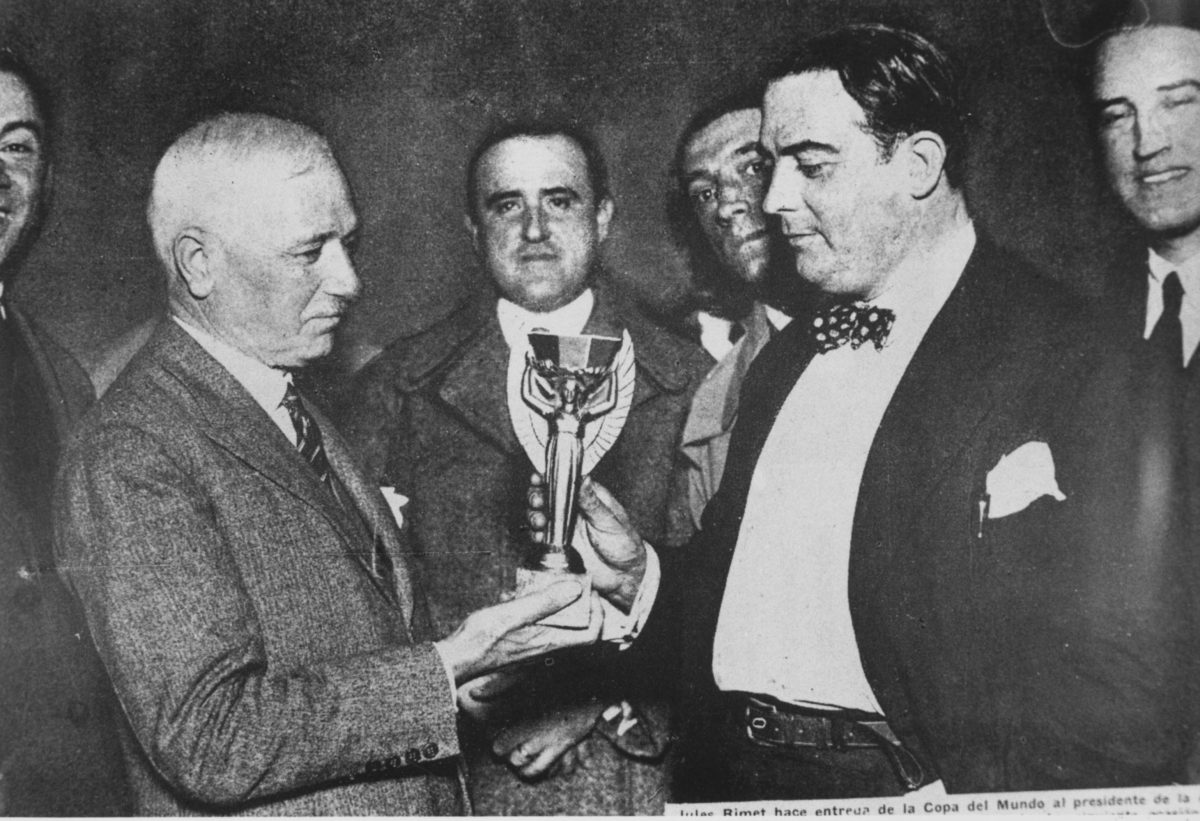
Standing in the way of the Trans-Mediterranean coalition was a fierce bid rooted in history. A joint South American coalition consisting of Uruguay, Argentina, Paraguay, and Chile argued that the 2030 tournament had to return to its birthplace.
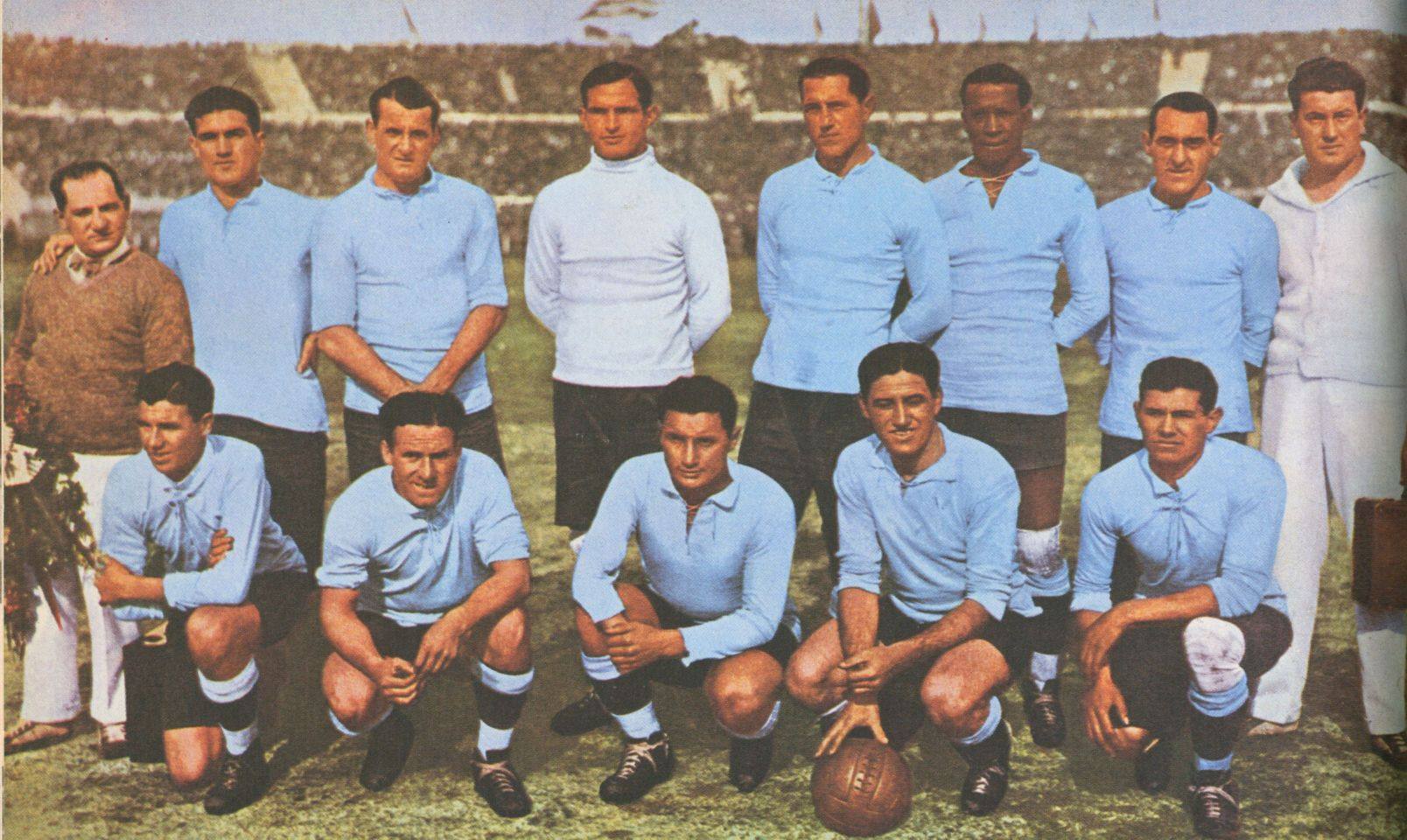
Because Uruguay had hosted and won the very first FIFA World Cup in 1930 in Montevideo, the South American confederation (CONMEBOL) insisted that awarding the centenary tournament anywhere else would betray the spirit of the game.
FIFA was caught in a high-stakes standoff between two powerful factions: a modern, lucrative, multi-continental machine in Europe and Africa versus a deeply emotional, historic claim in South America.
The Masterstroke: Gianni Infantino’s Grand Compromise
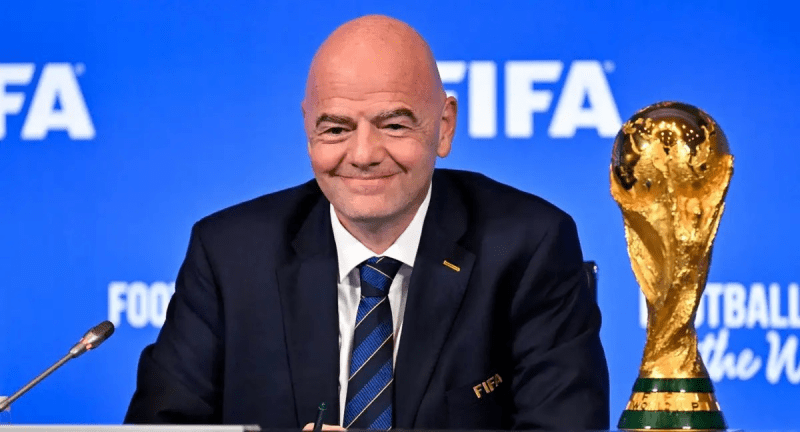
Faced with a potentially divisive vote, FIFA President Gianni Infantino engineered an unprecedented compromise in October 2023 that gave everyone a piece of the pie:
The Primary Hosts: Spain, Portugal, and Morocco were awarded the main 48-team tournament, handling the vast majority of the group stage through to the final.
The Centenary Matches: To honor history, three special opening games will be played in Uruguay, Argentina, and Paraguay, allowing South America to celebrate the 100-year milestone on home soil before teams fly across the Atlantic.
The Continental Domino Effect: By spreading the 2030 hosting duties across Europe, Africa, and South America, FIFA satisfied three confederations at once. Crucially, under FIFA’s continental rotation rules, this maneuver rendered those three continents ineligible for 2034, clearing a smooth path for Asia and Oceania—and ultimately paving the way for Saudi Arabia to secure the 2034 hosting rights virtually unopposed.
The Final Stamp
The FIFA Council unanimously endorsed the multi-nation package in October 2023. By December 2024, all 211 FIFA member associations gathered at an Extraordinary FIFA Congress to officially ratify the historic arrangement.
Today, preparations are in full swing across three continents. Morocco is building the massive Hassan II Stadium in Casablanca to challenge Spain’s iconic venues for the right to hold the final match, while Portugal prepares to showcase its coastal football sanctuaries.
What began as an Iberian dream evolved through war, politics, and historic nostalgia into the most expansive sporting event the world has ever seen: a 100th-anniversary celebration that literally spans the globe.
