





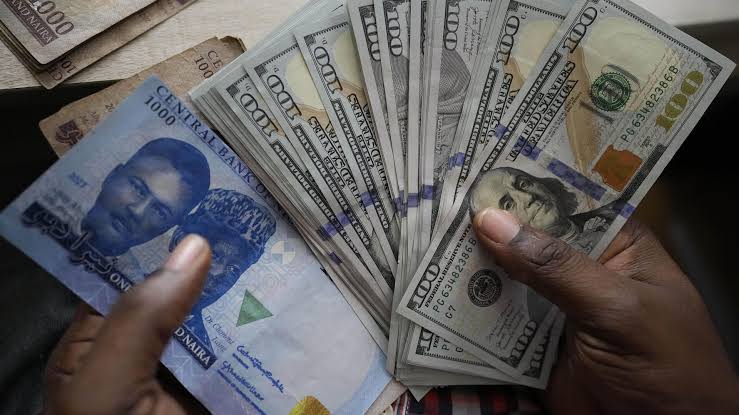
The Nigerian naira weakened to its lowest level in two weeks against the US dollar on Friday, pressured by a stronger greenback and rising risk aversion in global markets that has prompted investors to exit emerging-market currencies.
The naira traded at 1,410 to the dollar in the official foreign exchange window by midday, down from 1,398 the previous day, according to market data. In the parallel market, rates hovered between 1,480 and 1,495 naira per dollar in major cities including Lagos and Abuja.
The depreciation comes amid a broader rally in the US dollar index and elevated US Treasury yields, which have triggered capital outflows from frontier and emerging economies. Traders said the movement was also influenced by routine end-of-month demand for foreign exchange to settle corporate obligations and import bills.
“The naira weakened to a two-week low as global risk aversion weighed on the currency,” currency dealers reported, noting that the dollar’s strength has been reinforced by expectations of sustained higher US interest rates and uncertainty surrounding the direction of global trade and monetary policy.
The slide marks a reversal from the relative stability observed in the first days of February, when improved oil receipts and Central Bank of Nigeria interventions had helped anchor the naira below the 1,400 level for several sessions.
Analysts cautioned that continued dollar appreciation could test the currency’s near-term resilience unless offset by stronger foreign inflows or more aggressive policy measures. The Central Bank has so far maintained its stance of allowing market forces to play a greater role in price discovery while stepping in selectively to curb excessive volatility.
Friday’s movement underscores the naira’s ongoing sensitivity to external shocks, including shifts in US economic data, geopolitical developments and commodity price trends, as Nigeria continues to navigate a challenging balance-of-payments environment.
