




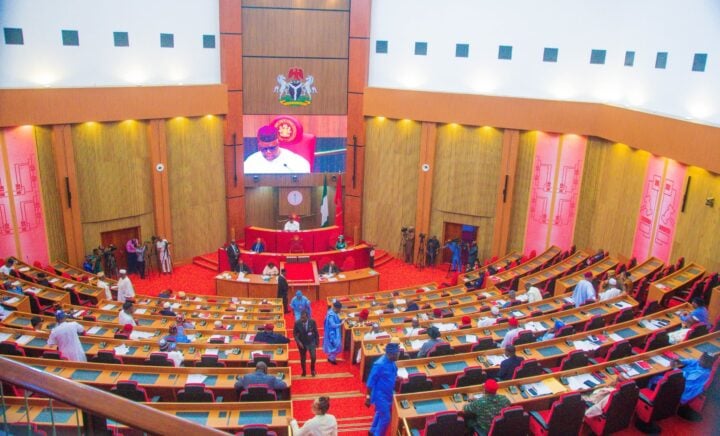
Lawmakers reconvened in an emergency session Tuesday to advance the 2027 presidential election to January 16, suspending harmonisation of the Electoral Act amendments amid outcry over the original February 20 date clashing with the Muslim holy month of Ramadan.
The move, agreed upon by the National Assembly and the Independent National Electoral Commission (INEC), would also reschedule governorship polls to January 30, reversing an earlier compromise of February 13, sources close to the deliberations said.
A senior INEC official confirmed the consensus: “After several consultations and meetings, INEC and the leadership of the National Assembly have now agreed on a new date for next year’s election. The new dates will now be January 16 and 30 for presidential and governorship elections, respectively.”
A ranking senator cautioned the proposal remains fluid: “Whoever hinted to you about the new dates is correct. That is the proposal currently on the table. However, that doesn’t mean it can’t change tomorrow.”
The adjustment follows representations from Muslim groups and stakeholders, including former Vice President Atiku Abubakar, who argued the February 20 date falls “squarely within the Ramadan period (February 7 – March 8, 2027), a sacred season of fasting, reflection, and spiritual devotion for millions of Nigerian Muslims.”
Former presidential aide Bashir Ahmad echoed the concerns: “If the intention is to encourage full and inclusive participation in the electoral process, scheduling such a critical national exercise during Ramadan may present challenges for a large segment of the population.”
INEC National Commissioner Mohammed Haruna acknowledged the sensitivity: “The commission wishes to assure the public that it remains sensitive to all legitimate concerns that may impact electoral participation and the overall conduct of elections. In view of these representations, the commission is currently undertaking consultations and may, where necessary, seek appropriate legislative intervention.”
The emergency plenary, announced by Clerk Kamoru Ogunlana, convenes at 11:00 a.m. on February 17, 2026, prioritizing the date review over bill harmonisation.
Senate Leader Opeyemi Bamidele had defended the initial omission of electronic transmission mandates: “By global standards, the real-time electronic transmission of election results may not be practicable at this stage of our development.”
A Senate source emphasised the session’s gravity: “This session is crucial. It is about more than dates; it is about ensuring that every Nigerian, regardless of faith, has a fair opportunity to participate in the electoral process. The decisions we take here could define the credibility of the 2027 elections.”
