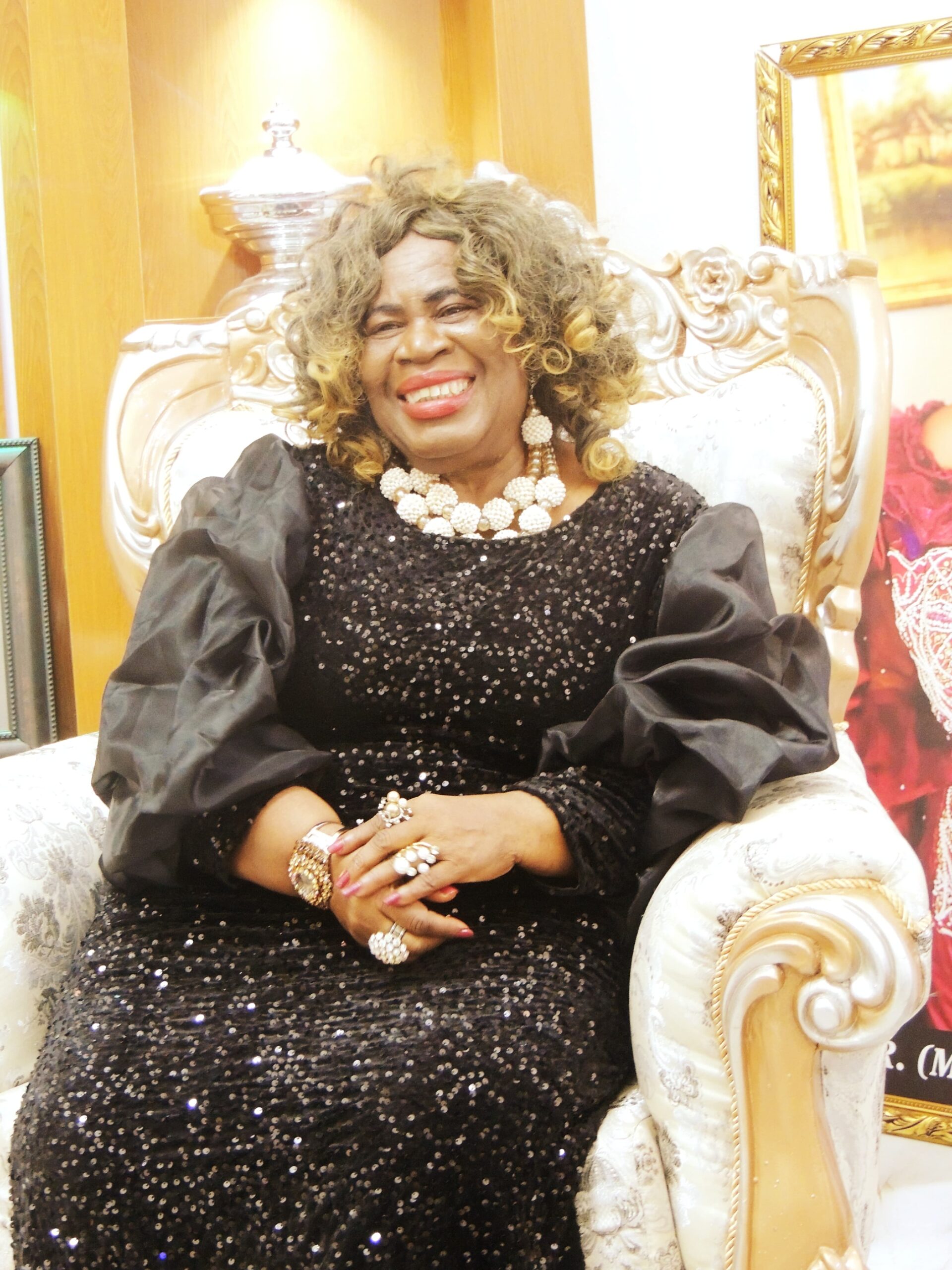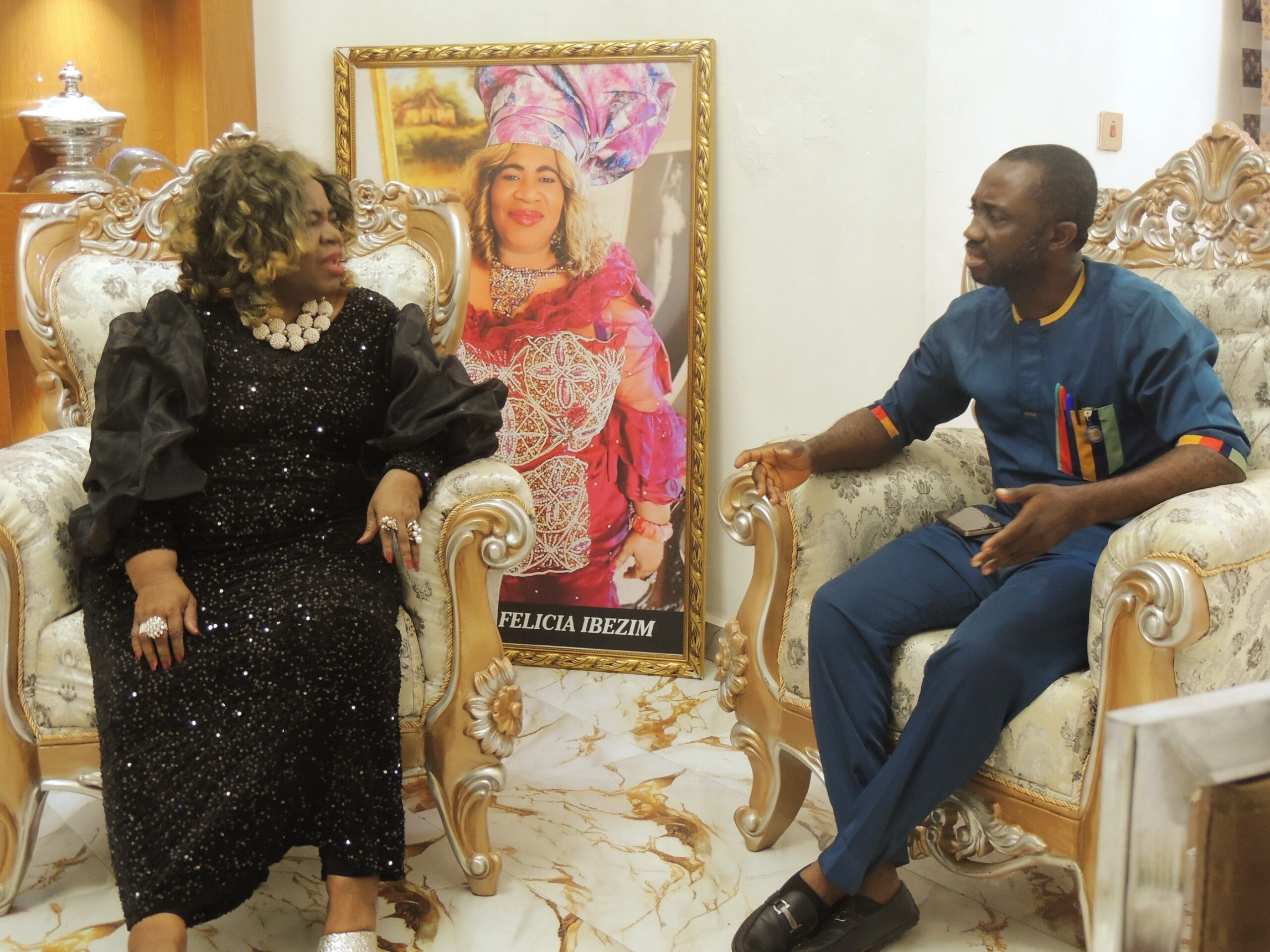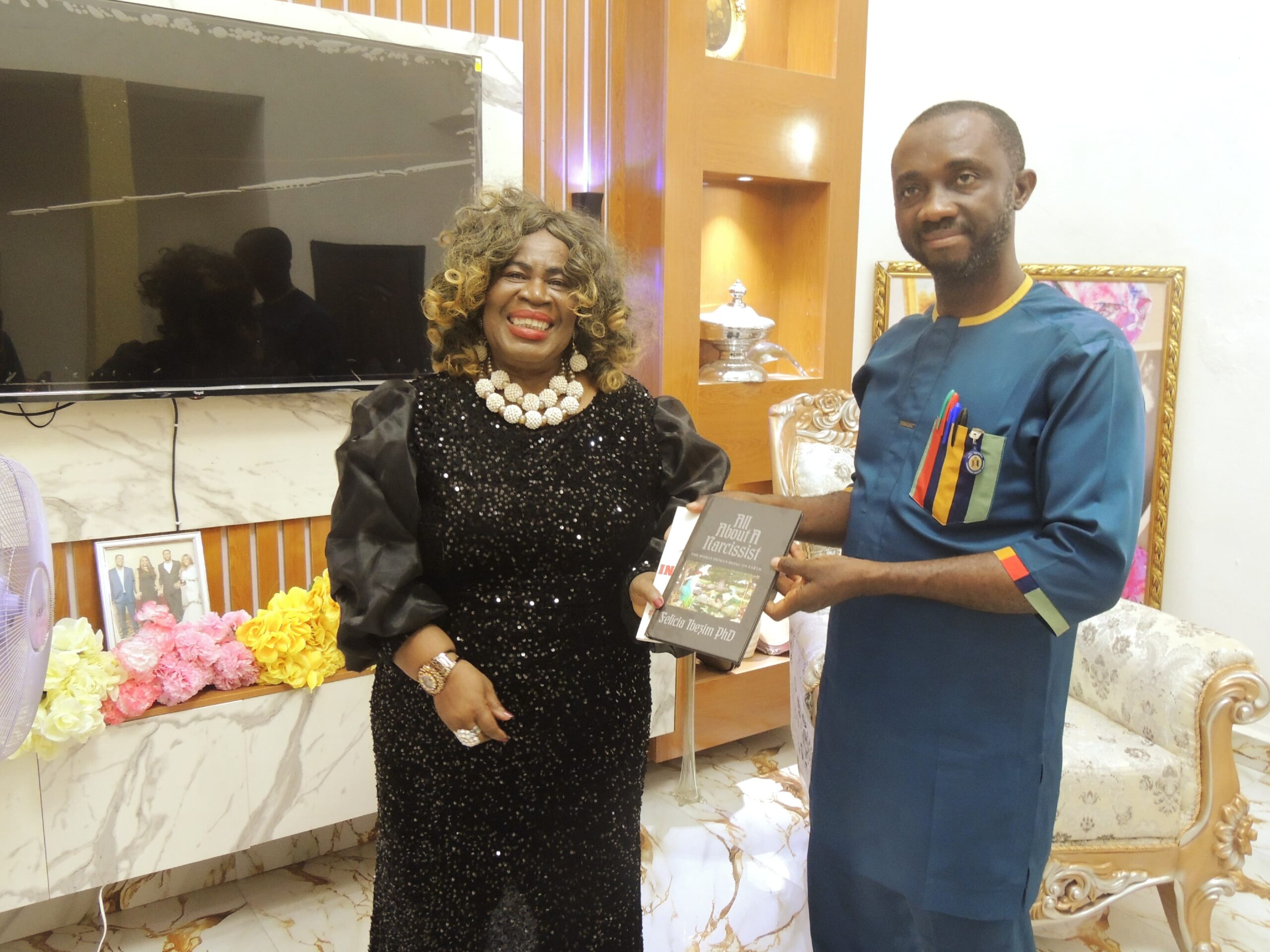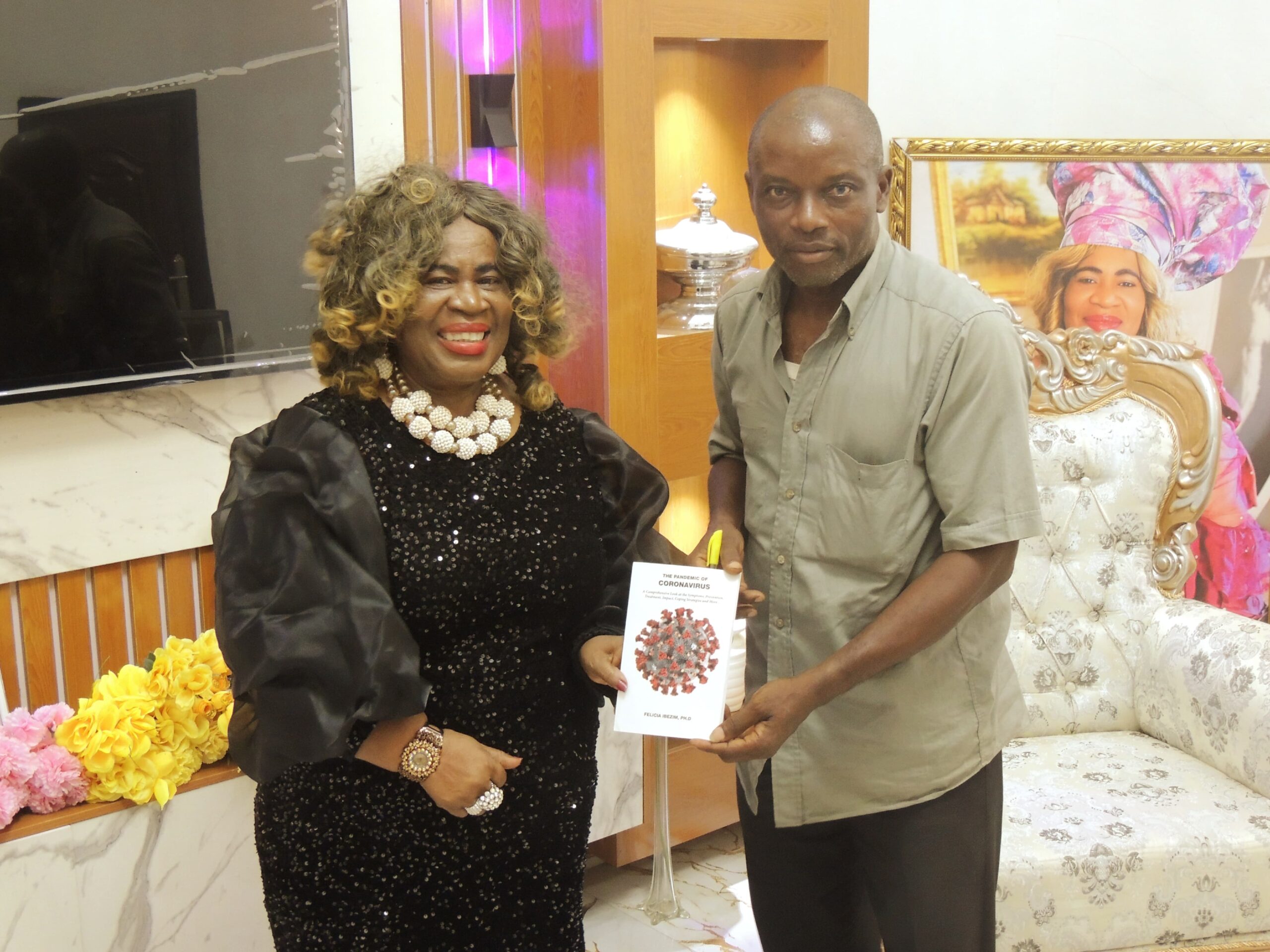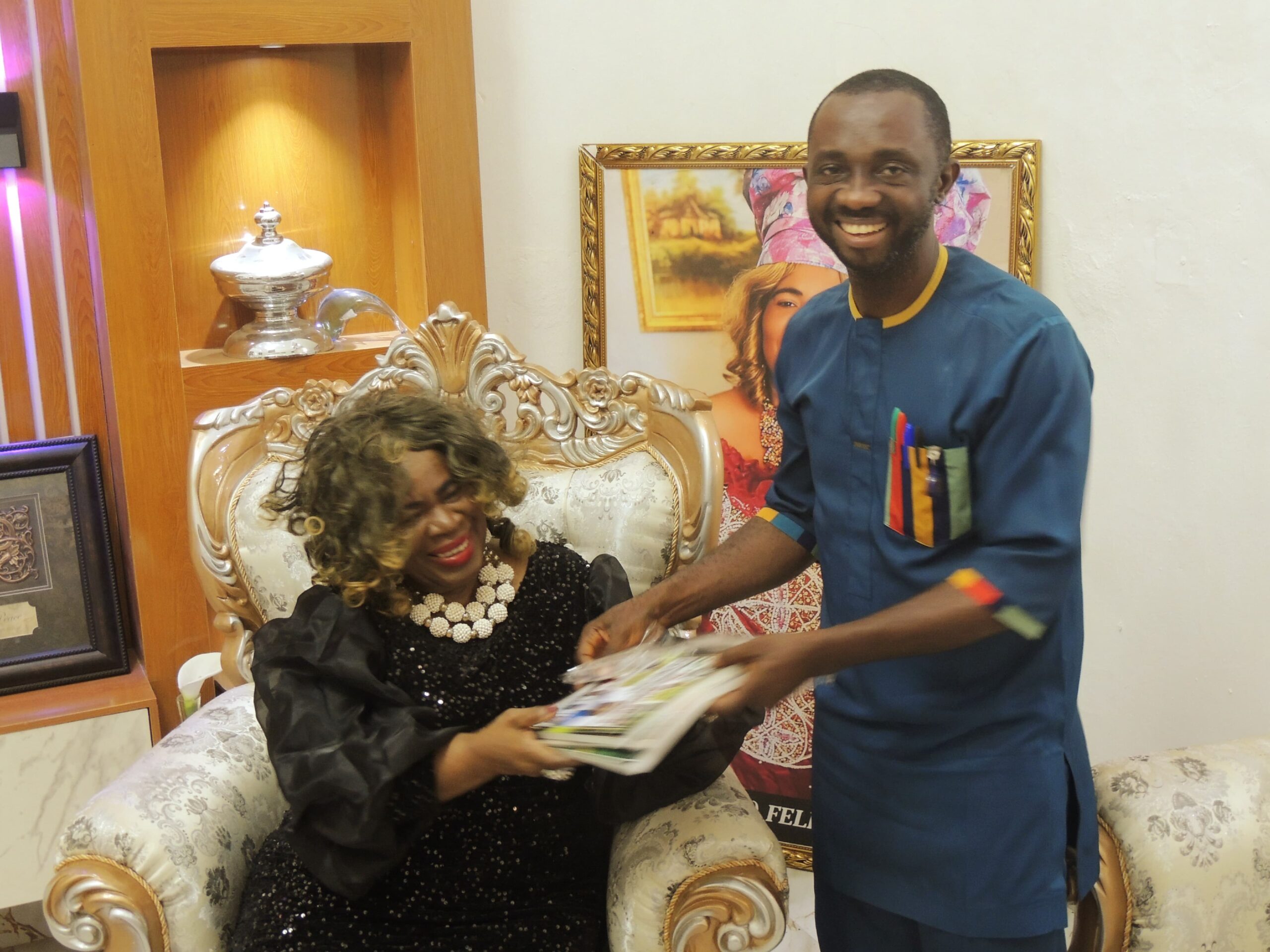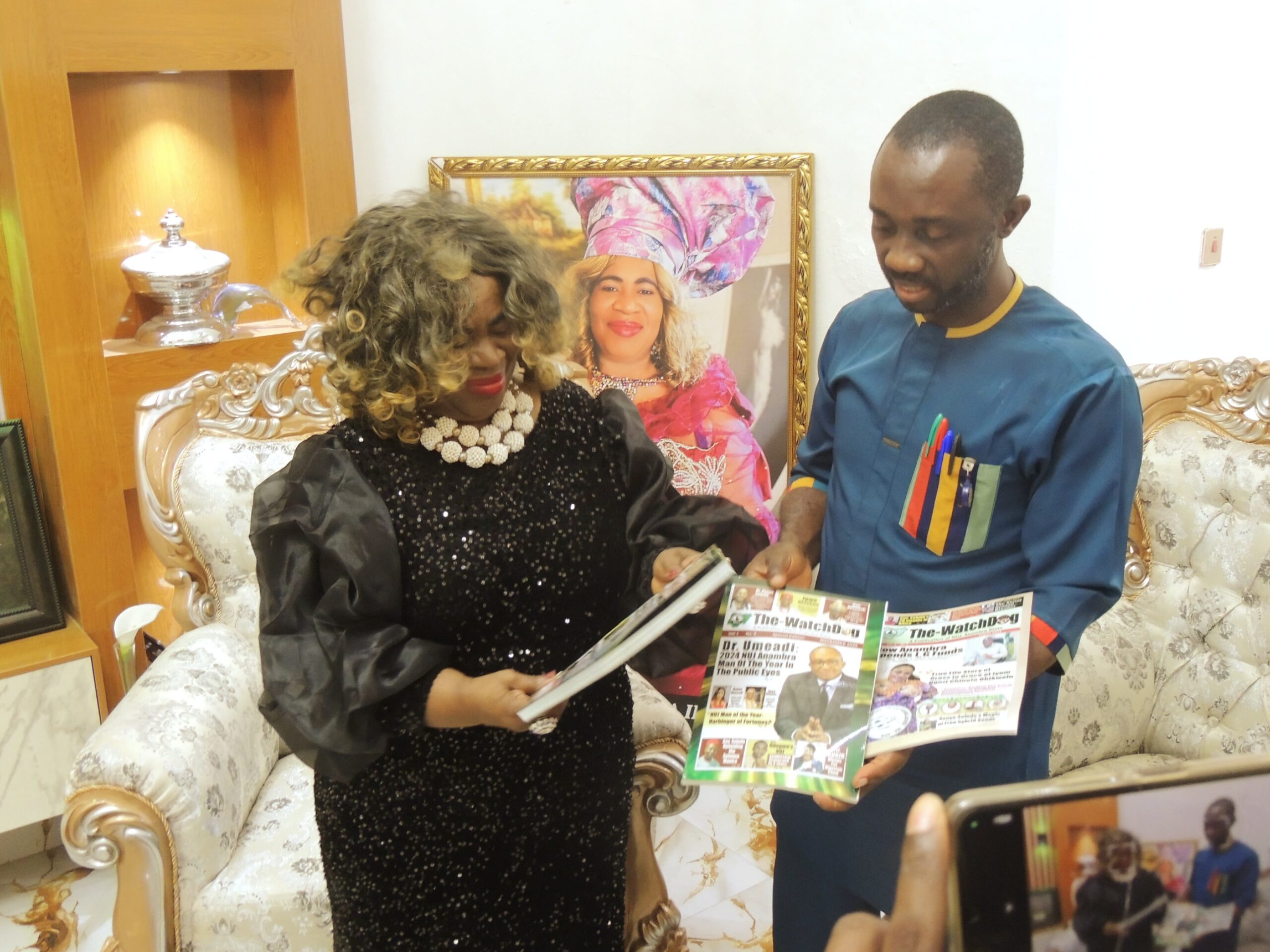

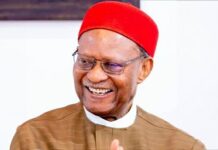
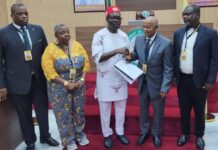
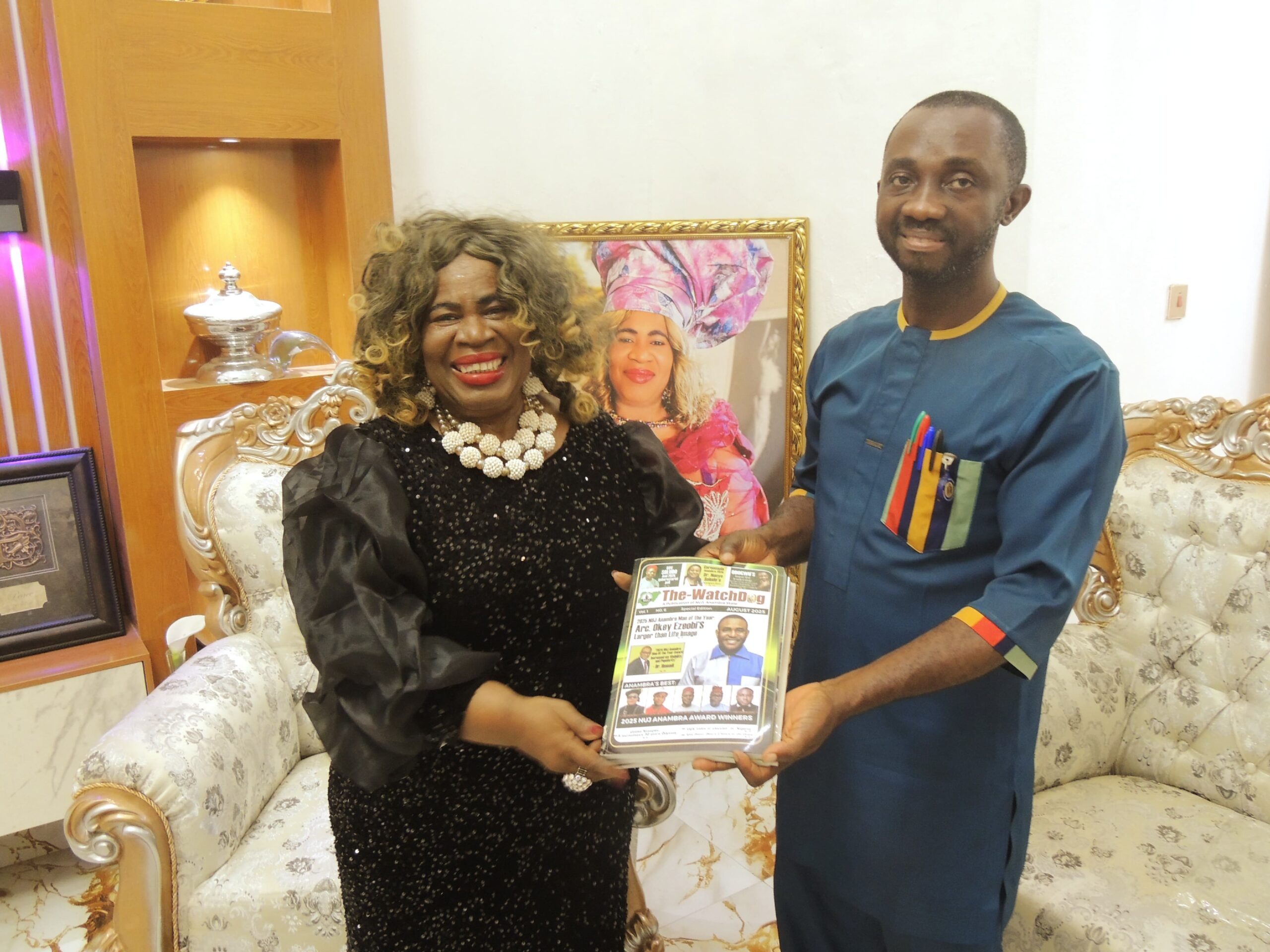
An American-based scholar, author, psychologist, philanthropist, and educationist, Dr. Felicia Ekwutosi Ibezim, was recently on vacation in Nigeria. She spoke with a team of journalists from NUJ Watchdog Magazine, led by the Anambra State Council Chairman, Comrade Odogwu Emeka Odogwu, PhD, at her Enugu residence. She shared insights on education, migration, governance, culture, women in politics, and national development.
Excerpts:
Please, Madam, tell us more about yourself.
My name is Dr. Felicia Ekwutosi Ibezim. I reside in New York, United States. I am originally from Awka, Anambra State, and got married in Amaigbo, Imo State, Nigeria.
Tell us about your childhood, education, and how you eventually relocated to the United States.
(Laughs) My childhood was quite exciting. I came from a modest background, my parents were civil servants who struggled to ensure we received good education. From a very young age, I showed a deep curiosity for reading and writing. My late father noticed this early and made a firm decision that, regardless of financial constraints, I would attain any level of education I desired.
After completing my secondary education at Ogidi Girls’ Secondary School, I proceeded to the University of Benin, where I graduated in 1985. I later earned my first Master’s degree in Guidance and Counseling from the University of Nigeria, Nsukka, graduating in 1989.
In 1991, I met my husband, who was already residing in the United States. Before our marriage, I was lecturing at the Federal Polytechnic, Oko. We got married in 1992, and a year later, I joined him in the United States.
I initially thought I would proceed directly for a PhD, but the U.S. academic system required me to obtain another Master’s degree locally. I therefore earned a second Master’s degree in Educational Psychology from New York University, after which I was admitted for a PhD in the same field, which I completed in 2008.
It would interest our readers to know how you met your husband?
(Laughs) It’s quite an unusual story. I did not believe much in dating. My husband was introduced to me, and after our first meeting, he told his parents outright that I was the woman he intended to marry.
Despite resistance and calls for extensive background checks, he insisted that his instincts were clear. In what felt like a movie to many people, our traditional marriage was conducted almost immediately. We later had a church wedding in 1992 at the Cathedral of the Transfiguration, Owerri, after which I relocated to New York to join him.
You are widely regarded as a fashion icon. Why is fashion important to you as a professional?
I have always believed that professionalism does not require dullness. Growing up, I noticed that many academicians dressed poorly, and I wanted to challenge that narrative. You can be highly educated, humble, professional, and still be fashionable.
I want younger generations, especially women, to understand that excellence and elegance can coexist.
Do you think fashion has become a challenge for African women, given global media influence?
Yes! Many young people copy what they see on television and social media without discernment. Dressing provocatively is often mistaken for fashion. Our youth must learn to dress responsibly and apply common sense, rather than blindly imitating celebrities.
Tell us more about your professional career trajectory.
I am a psychologist, educator, counsellor, writer, and publisher. At a point, I was doing too many things simultaneously, which nearly affected my health. That realization made me retire early; nine years before my official retirement age.
I have always loved writing. I started at the age of 18, during my first year in university. Due to publishing barriers in Nigeria, my husband and I established Ekwuike Publishing company, later renamed Orange County Publishing Middletown NY. To date, I have written over 40 manuscripts and published 23 books.
What challenges did you face living abroad, and what advice do you have for young Nigerians, especially women, seeking to relocate abroad?
Life abroad is not as easy as many imagine. Discrimination, accent bias, and cultural adjustment are real challenges. Nigerians should not believe that success is only attainable outside the country.
If you have an opportunity to travel, fine, but do not sell your property or fall victim to visa fraud. Nigeria has abundant opportunities, and with good governance, many of us would not feel compelled to leave.
You are known for philanthropy through your foundation. What motivates you?
I have always loved helping the less privileged. I run several charities, including Feed the Hungry, Young Widows Empowerment Project, and other community development programs.
In memory of my late husband, I established the Dr. David Ikechukwu Computer Centre, the first solar-powered library and computer centre in Amaigbo. My goal is to empower youths and women through education and skills acquisition.
Do you believe in a united Nigeria?
I do not believe in the current forced structure of Nigeria. What I advocate is regional autonomy; five autonomous regions that can manage their own resources and development. Marginalization, especially of the South-East, will persist unless we restructure.
You hold several cultural titles. What is your view on culture?
I appreciate Igbo culture deeply. My titles such as Ugogbeoma, Ugosimba I of Amaigbo, and Adadioranma of Awka are humbling, but they do not define me. Service defines me.
Do Nigerian children abroad still have a future connection with home?
Many parents are worried that their children may never return. That is why I deliberately come home often, so my children can build emotional ties to Nigeria. If parents don’t return, the children won’t either.
What are your thoughts on South-East Nigeria politically and economically?
Governance is our biggest challenge. Leaders must serve, not loot. We need leaders who invest stolen wealth locally to create jobs, industries, and infrastructure. Women must also actively participate in politics. Their voices are crucial.
What is your position on age and leadership in Nigeria?
Leadership should ideally be between 25 and 70 years. Older leaders should serve as statesmen. The younger generation is more in tune with modern realities and technology. 30 years and up for gubernatorial candidates while for presidential candidates should be 35 years to 70 years.
What inspired your book on Narcissism?
I observed increasing narcissism among global leaders; self-centered and lack of empathy. My books explain narcissistic behaviour and how societies can deal with such leaders.
Finally, should women be allowed greater participation in governance?
Absolutely. Women should not only participate, they should lead. The nation needs their perspectives, empathy, and balance.
Q: As an estate developer, how do you handle the challenges in the real estate sector?
A: Real estate is not easy because you have to deal with contractors, government regulations and many other issues. Personally, what I specialise in is buying foreclosed or distressed houses. Sometimes the government or financial institutions put such properties up for sale at lower prices and that is where I come in. I buy them, fix them and either rent them out or sell them. In the past, I used to buy, fix and rent them out, but what I mostly do now is buy, renovate and sell.
Q: What is your position on reserving seats for women in the National Assembly?
A: One of my programmes is advocating for women and youths. I am the type of person who does not always follow conventions. I strongly support women’s inclusion in government because, in my view, they tend to compromise less. Women also consider many things because they have children and families, and that perspective is important in governance.
We need more women in politics, like Natasha Akpoti-Uduaghan from Kogi State. Look at what she is doing; we need people like her. Men should give women the opportunity to lead, but often the men with money bags dominate politics and make it difficult for women to emerge.
To answer your question directly, absolutely yes, women should be allowed and encouraged to participate fully in the governance of the nation.