





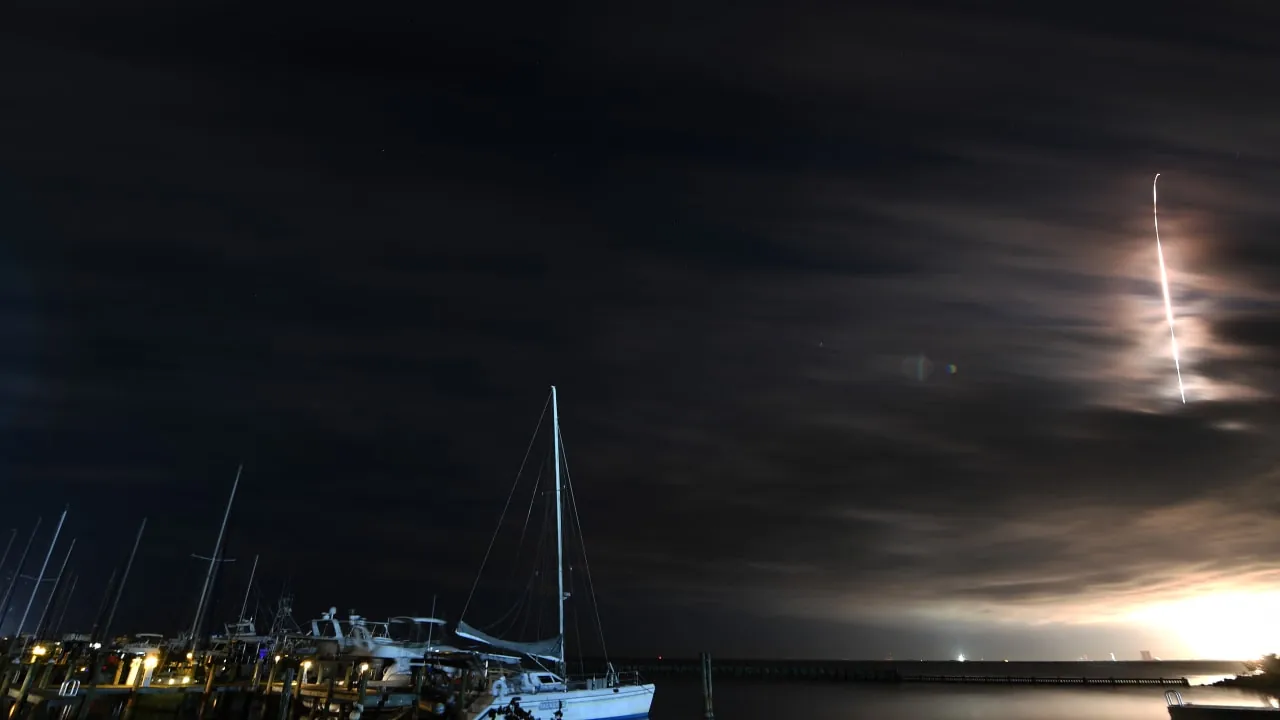
A Vulcan rocket operated by United Launch Alliance (ULA), a joint venture between Boeing and Lockheed Martin, failed shortly after liftoff on Sunday, destroying 40 satellites belonging to Amazon’s Leo internet network.
The failure occurred approximately 10 minutes after the rocket launched from Cape Canaveral Space Force Station in Florida, marking the first unsuccessful mission for the company’s Vulcan rocket programme.
ULA confirmed the incident in a statement, saying the rocket experienced an anomaly during flight and failed to deliver its payload into orbit.
“Based on data received by our Launch Director, we confirm that the Vulcan vehicle launched from Space Launch Complex 41 suffered an anomaly 10 minutes into the flight and failed to deliver the Amazon mission to orbit,” the company said.
The launch company added that it was too early to determine the cause of the failure.
“Every flight generates data, and every flight teaches us something. Since the anomaly just occurred, we don’t have any specific data yet to understand what occurred today,” it said.
The incident represents a major setback for ULA’s flagship rocket, which made its debut in 2024. Sunday’s mission was its fifth flight and first launch in nine months following investigations into technical problems involving its solid rocket boosters and core BE-4 engines.
The engines are supplied by Blue Origin, the space company founded by Amazon founder Jeff Bezos.
ULA’s previous two Vulcan missions had successfully delivered their payloads into orbit despite technical concerns involving the rocket’s boosters. However, the US Pentagon had withheld approval for the vehicle to resume carrying national security payloads pending further performance assessments.
It remains unclear whether the BE-4 engines contributed to Sunday’s failure. Initial indications suggested the anomaly occurred after the rocket’s second stage separated from its first-stage booster.
The failure also threatens Amazon’s ambition to establish a global satellite internet service capable of competing with SpaceX’s Starlink network.
Amazon has relied on several commercial launch providers to deploy its Leo satellites, but repeated technical setbacks have slowed the programme.
Since 2025, the company has deployed 398 Leo satellites across 14 launches, representing approximately 12 per cent of its planned constellation.
Amazon had hoped to begin initial internet services this year.
Meanwhile, SpaceX’s Starlink network has established a significant lead, with more than 11,000 satellites in orbit and millions of customers worldwide.
Sunday’s incident adds to the challenges facing Amazon as it seeks to expand its presence in the increasingly competitive satellite internet market.
Source: The Jerusalem Post/Reuters.
