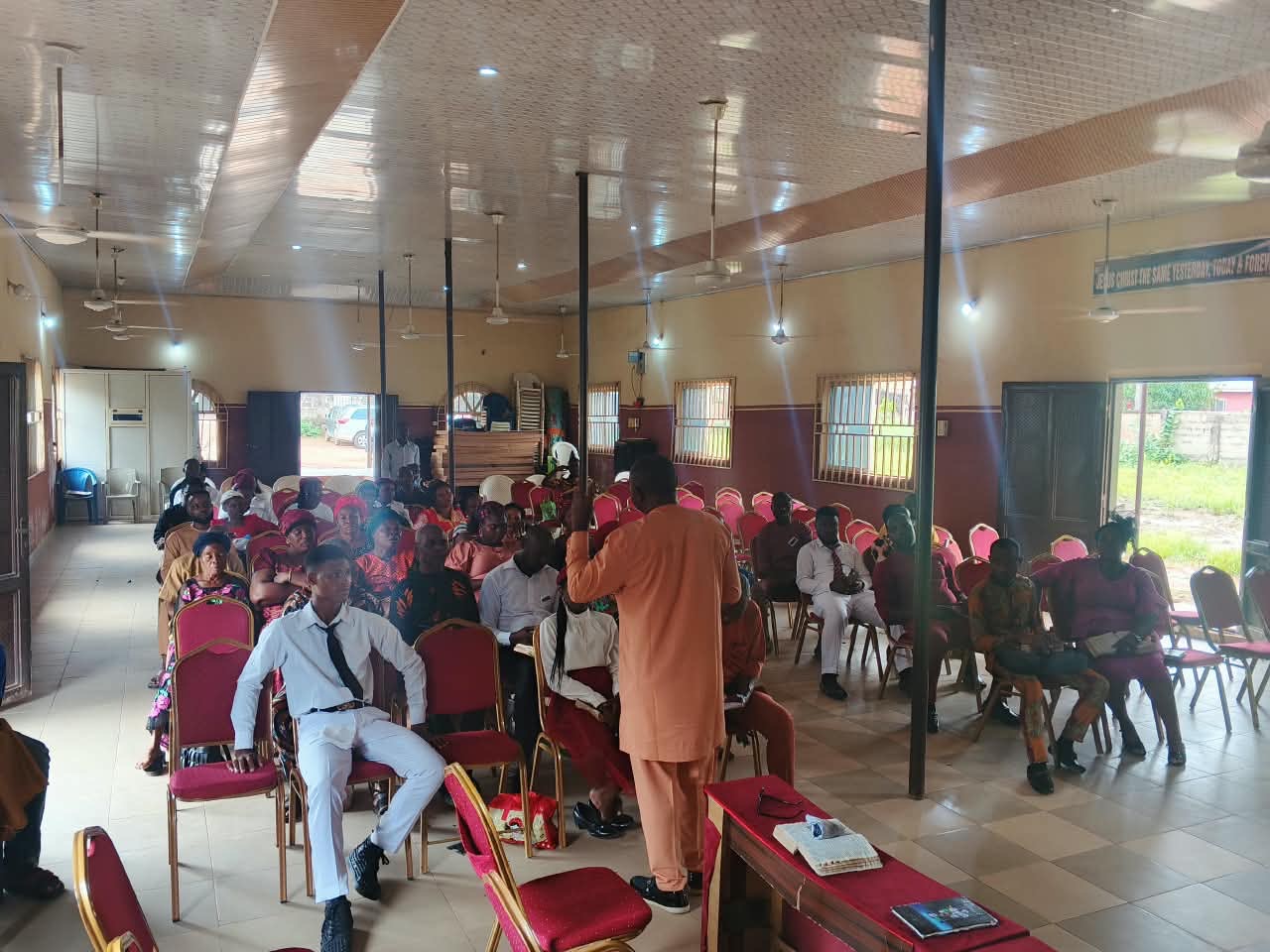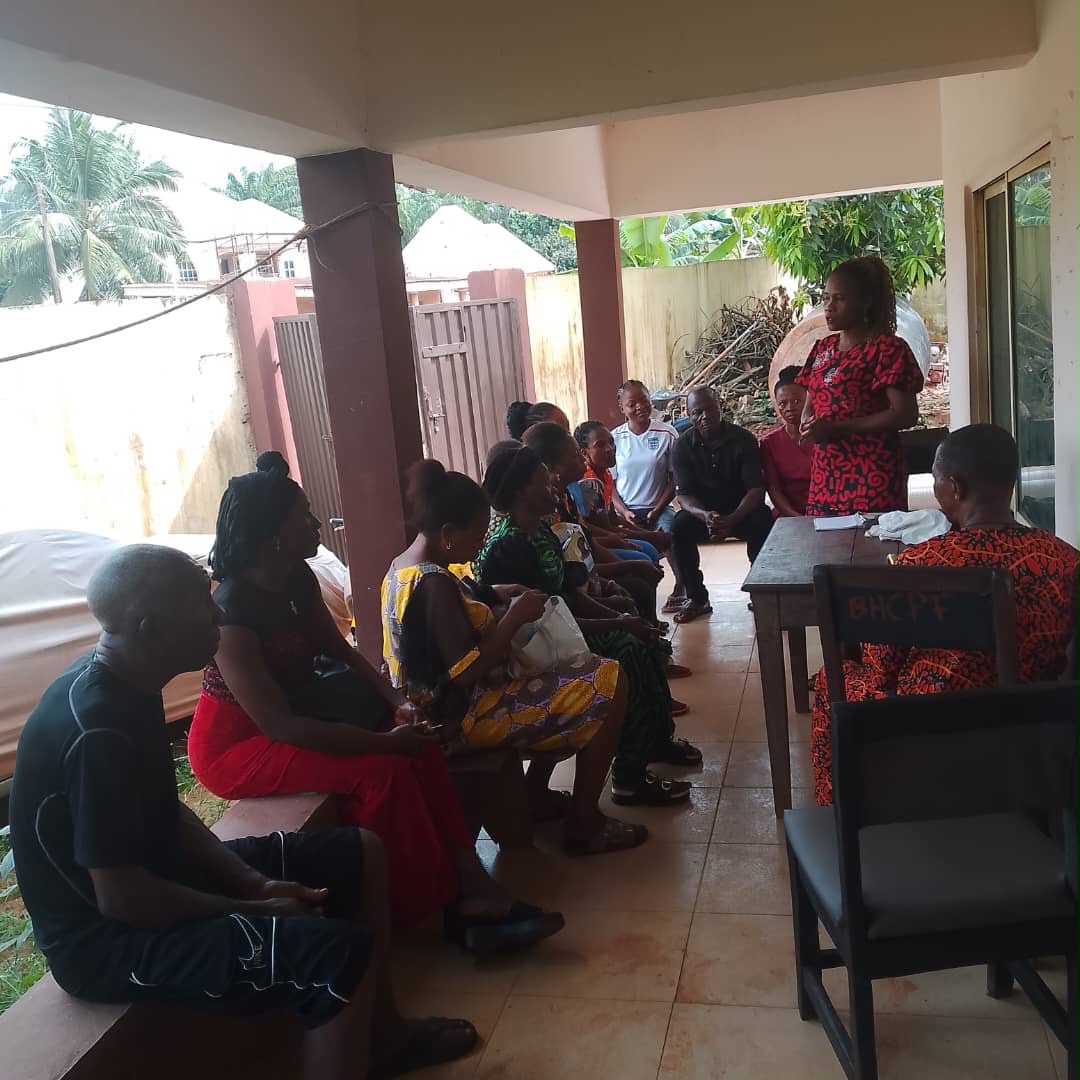





The SPARK II Project has reached 16 communities across Anambra State with community health awareness and sensitisation campaigns aimed at improving access to essential healthcare services, maternal and child health, and health insurance enrolment.
The outreach activities, coordinated through Community Agencies and Ward Development Committees (WDCs), recorded a minimum documented participation of 720 residents, comprising 509 females and 211 males.
The sensitisation campaign focused on encouraging residents to enrol in the Anambra State Health Insurance Agency (ASHIA), obtain their National Identification Number (NIN), and take advantage of government-supported free antenatal care, delivery services, postnatal care and routine childhood immunisation available at Primary Healthcare Centres (PHCs).
The 16 communities reached include Utuh, Ukpor, Odoakpu, Achalla, Woliwo, Oba, Nkpologwu, Ebenebe, Ezinifite, Nnokwa, Fegge, Akwu-Ukwu, Urum, Ebenator, Ugbenu and Achina.
Using existing community structures such as churches, schools, markets, village meetings, community halls and women’s associations, the Community Agencies engaged residents on the importance of preventive healthcare and regular utilisation of PHC facilities.
In one of the notable outcomes, 43 ASHIA enrolment forms were distributed to members of the Parent-Teacher Association (PTA) in Woliwo, particularly women of childbearing age. In Ukpor, several residents reportedly expressed interest in registering for the health insurance scheme, with registrations undertaken during the outreach.
In Odoakpu, traders were encouraged to undertake regular blood pressure, blood sugar and cholesterol checks to prevent avoidable health complications. Residents were also informed about available services at St. John the Baptist PHC and St. Paul’s PHC.
Similarly, the Woliwo outreach highlighted services at St. Monica PHC, including antenatal services, routine immunisation, delivery services and treatment of common illnesses.
The campaign also emphasised the importance of safe delivery in health facilities, regular antenatal visits and childhood immunisation, particularly among pregnant women and nursing mothers.
However, beyond health awareness, the engagements provided an opportunity for residents to express concerns about challenges affecting access to healthcare.
In Utuh, residents complained about difficulties collecting their ASHIA identification cards despite completing registration. Concerns were also raised over the perceived high cost of obtaining birth certificates for older children.
In Fegge, participants sought clarification on ASHIA registration points, coverage for caesarean section deliveries and the availability of health workers for night-time deliveries.
At Ebenebe, some women questioned the experience and capacity of nurses attending to their PHC, highlighting the need to strengthen public confidence in primary healthcare facilities.
The report identified these concerns as areas requiring further engagement with relevant institutions, including ASHIA, the Anambra State Primary Healthcare Development Agency (ASPHCDA), the National Identity Management Commission (NIMC) and civil registration authorities.
It recommended improved follow-up on ASHIA identification cards, clarification of birth registration procedures and fees, better emergency obstetric services, continuous professional development for healthcare workers and sustained community mobilisation.
The project also called for stronger collaboration between community structures and healthcare authorities to ensure that concerns raised by residents translate into practical improvements in service delivery.
The SPARK II Project noted that community sensitisation remains essential to improving healthcare-seeking behaviour, strengthening PHC patronage and ensuring that vulnerable groups, including pregnant women, nursing mothers, children and persons with disabilities, are not left behind.
The October 2026 activities, which also extended into the first days of November according to the community activity records, underscore the importance of taking healthcare information directly to the people and strengthening community participation in the delivery of essential health services.