




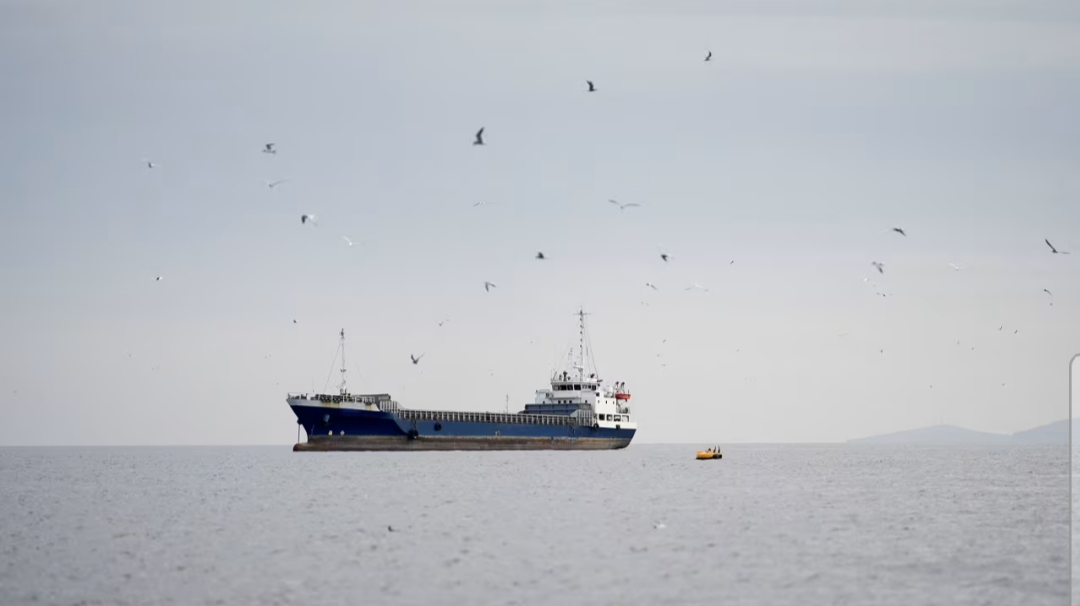
- The US military blockade on Iranian ports started at 10 a.m. ET today, after weekend peace talks in Pakistan faltered. President Donald Trump said the US will sink any Iranian “fast attack ships” that come near the blockade.
The United States has imposed a naval blockade on key Iranian ports in the Persian Gulf, a move President Donald Trump described as necessary to pressure Tehran into serious peace negotiations over the ongoing conflict.
The Pentagon confirmed the operation late on Monday, stating that US naval forces would prevent Iranian oil exports and restrict maritime traffic linked to the Islamic Revolutionary Guard Corps until a ceasefire is reached.
Trump, speaking from the White House, indicated that the blockade could be lifted if Iran agreed to direct talks. “We are open to peace, but they must stop attacking our ships and threatening the Strait of Hormuz. If they want to talk, we are ready,” he said.
US officials said the blockade is limited in scope and aimed at preventing further escalation while keeping diplomatic channels open. Iran has so far rejected the move as “an act of economic war” and vowed to respond with retaliatory measures, including potential closure of the Strait of Hormuz to all traffic.
The US military blockade on Iranian ports started at 10 a.m. ET today, after weekend peace talks in Pakistan faltered. President Donald Trump said the US will sink any Iranian “fast attack ships” that come near the blockade.
Iran says its forces are on “maximum combat alert”
Iran’s acting defense minister said Monday the country is prepared for “any scenario” and warned that any aggression against it would result in a “harsh and decisive response,” according to remarks broadcast on Iran’s state-run television.
Brigadier General Majid Ibn Reza said Iran’s armed forces are on “maximum combat alert,” Press TV reported.
The development comes as diplomatic efforts, mediated by several Gulf states, continue in an attempt to broker a lasting ceasefire. No immediate breakthrough has been reported.
