





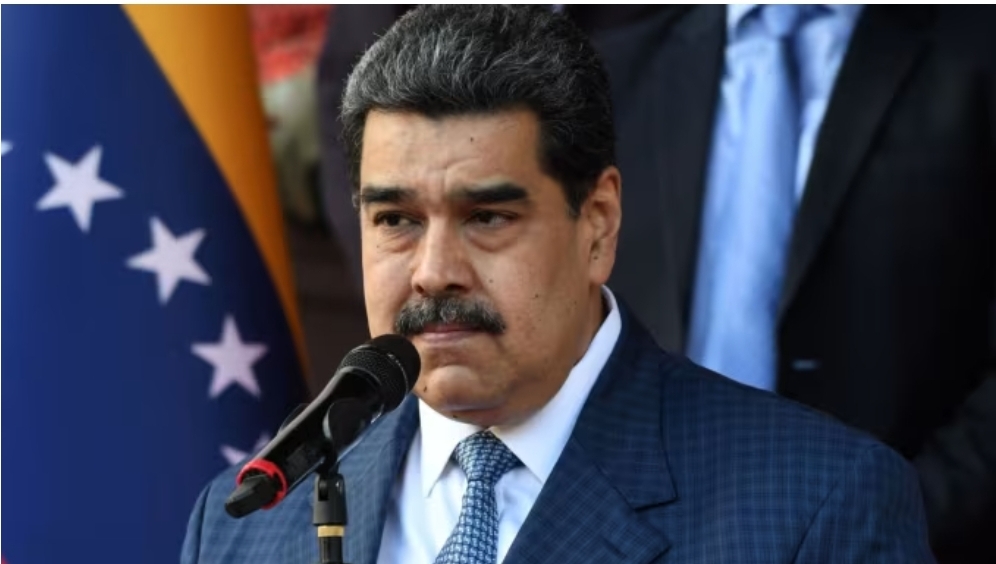
Disposed Venezuelan president Nicolás Maduro could face the death penalty if convicted on multiple federal charges in the United States, legal experts and prosecutors have indicated, underscoring the gravity of the unprecedented case against the once‑sitting head of state.
Maduro, who was captured by U.S. forces in a dramatic raid in Caracas and flown to New York, now awaits indictment in the Southern District of New York on a series of serious offences, including narco‑terrorism, cocaine trafficking conspiracy and weapons charges tied to violent criminal activity.
The U.S. indictment — the culmination of a probe stretching back years — alleges Maduro’s regime collaborated with some of the hemisphere’s most notorious trafficking networks to ship large quantities of cocaine into the United States. Prosecutors contend the alleged conspiracies included links with the Sinaloa cartel, Colombia’s FARC and Venezuela’s Tren de Aragua gang.
While death sentences in federal drug cases are rare, legal analysts note that the combination of narco‑terrorism and violent crime counts could make the ultimate penalty possible if a jury finds Maduro guilty. “Under certain federal statutes, the death penalty remains a theoretical possibility,” legal sources told reporters.
U.S. Attorney General Pam Bondi has vowed to pursue the case vigorously, describing Maduro and his co‑defendants as responsible for trafficking schemes that have inflicted harm across international borders. “They will soon face the full wrath of American justice on American soil in American courts,” Bondi wrote in a social media post announcing the charges.
Maduro and his wife, Cilia Flores, who was also detained during the U.S. operation, have denied involvement in drug trafficking and corruption. Venezuela’s government has condemned the raid as an act of aggression and a violation of international law.
