



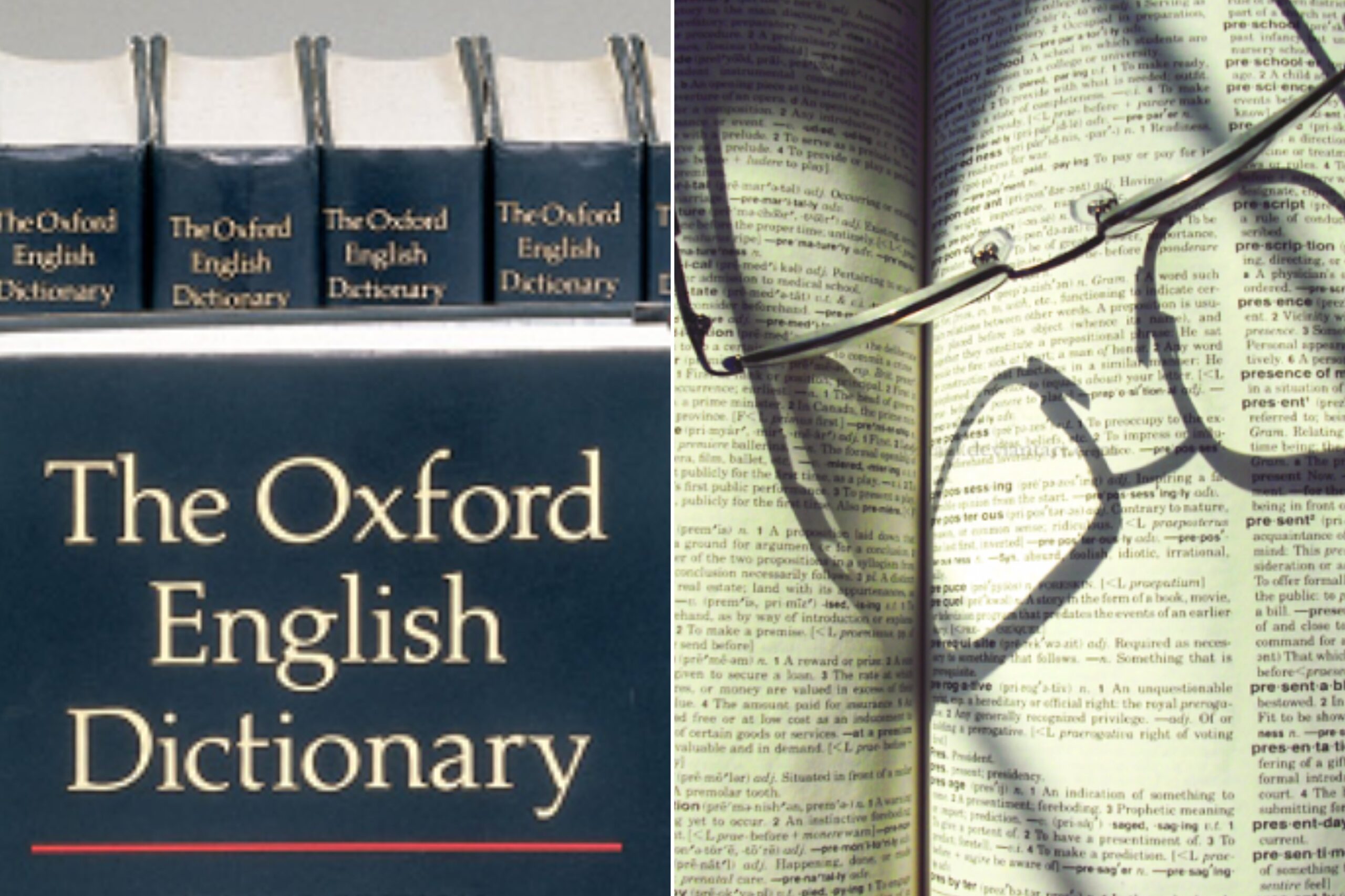
The English language has officially gotten a taste of Nigerian flavor as the Oxford English Dictionary (OED) announced the inclusion of several iconic West African terms, including “amala,” “moi-moi,” and the colloquial “nyash,” in its latest update.
The venerable institution, which serves as the ultimate authority on the English language, added a total of 25 Nigerian English words and phrases to its database this quarter. The move recognizes the growing global influence of “Naija” culture, driven by the international explosion of Afrobeats, Nollywood, and the Nigerian diaspora.
A ‘Mammy Market’ of words
Among the food-related entries, “amala”—the dark, yam-based flour dough beloved by the Yoruba people—and “moi-moi”—a steamed bean pudding—have been formally recognized. The OED also included “mammy market,” a term originating from military barracks referring to a market within a high-security installation where civilians sell food and goods.
”The Nigerian English lexicon has long been a vibrant, creative space,” said an OED spokesperson. “By including these terms, we are acknowledging the linguistic reality of millions of speakers who use these words as part of their daily English vocabulary.”
The update also touches on Nigerian social dynamics and pleading. “Abeg” and “biko”—the Pidgin and Igbo words for “please,” respectively—now hold official status.
Cultural ‘Nyash’ and controversy
Perhaps the most talked-about addition is “nyash,” a popular slang term for the buttocks. While frequently used in music lyrics and casual conversation across West Africa, its inclusion in the OED marks a significant shift in how the dictionary views “street” or informal regional dialects.
The dictionary also captured the unique “Nigerianisms” that often confuse outsiders, such as “to barbing” (to have one’s hair cut) and “gist” (meaning gossip or casual conversation), which is used differently in Nigeria than in standard British or American English.
Global linguistic reach
Language experts say the inclusion of these words is a testament to Nigeria’s “soft power.”
”When you hear a superstar like Burna Boy or Wizkid singing about ‘nyash’ or eating ‘amala,’ and those songs are topping charts in London and New York, the dictionary has to respond,” said Dr. Olumide Akande, a sociolinguist. “It is no longer ‘broken’ English; it is a recognized variety of Global English.”
Other notable additions include “tokunbo” (denoting second-hand imported goods, particularly cars) and “zanger” (a singer).
The OED stated that the new entries were selected based on evidence of their “sustained use over time” and their appearance in a wide range of written and spoken contexts, from literature and news reports to social media and song lyrics.
For many Nigerians, the news is a point of pride. On social media, the reaction was swift and celebratory, with many users jokingly asking if the OED is “ready for the gist” that follows such a historic linguistic “level-up.”
