





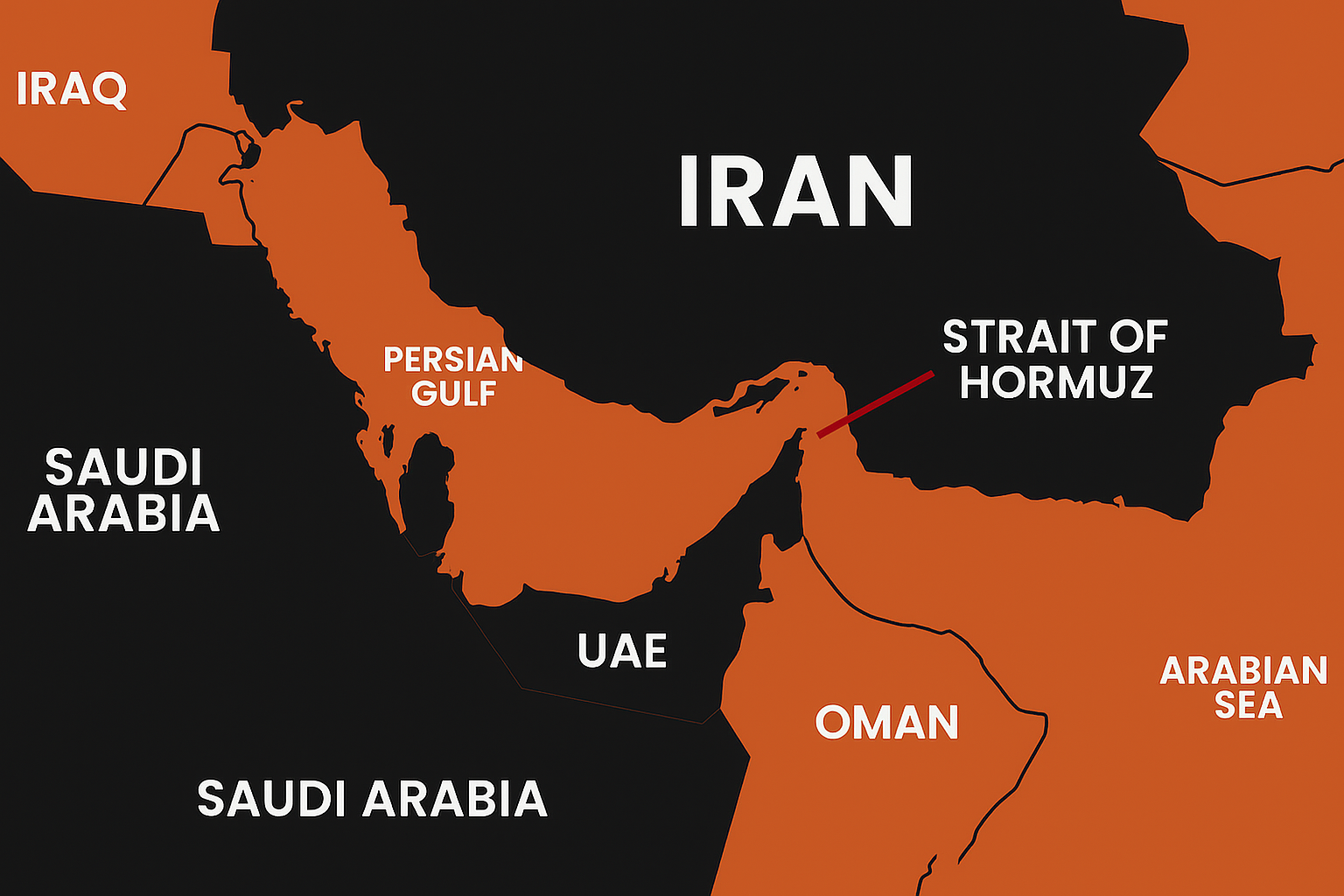
Iran has reopened the Strait of Hormuz to commercial shipping for the remainder of a fragile ceasefire, easing weeks of disruption to global oil flows after the vital waterway was closed in response to military confrontation with the United States and Israel.
Foreign Minister Abbas Araghchi announced the decision on Friday, April 17, stating that passage through the strategic chokepoint would remain open for the duration of the truce.
“The passage for all commercial vessels through the Strait of Hormuz is declared completely open for the remaining period of the ceasefire,” Araghchi said.
The strait, which had been shut since February 28 following US and Israeli military actions, carries about one-fifth of the world’s oil and liquefied natural gas shipments. Its closure had triggered sharp spikes in crude prices and heightened fears of energy shortages for import-dependent economies.
US President Donald Trump welcomed the move, posting on social media: “THANK YOU!” He added that the waterway was now “FULLY OPEN AND READY FOR FULL PASSAGE.”
The reopening is tied to a two-week ceasefire agreement between Iran and the United States that took effect on April 8, as well as a separate 10-day truce involving Israel and Lebanon that appears to be holding.
ANN Analysts cautioned that the access remains conditional and could be reversed if the fragile agreements collapse. The development has already triggered a positive reaction in global markets, with oil prices falling and stocks rising as fears of prolonged supply disruptions eased.
The Strait of Hormuz has long been a flashpoint in Middle East tensions. Iran’s temporary closure exposed vulnerabilities in global energy security and prompted urgent diplomatic efforts, including pressure from China, which warned that blocking the route served no one’s interest.
No immediate details were released on coordinated shipping routes or monitoring mechanisms, but Iranian officials indicated that commercial vessels would now have full access under the terms of the ceasefire.
The move provides short-term relief to energy markets but leaves longer-term stability dependent on whether broader negotiations between Tehran, Washington and other regional actors can produce a more durable agreement.
