





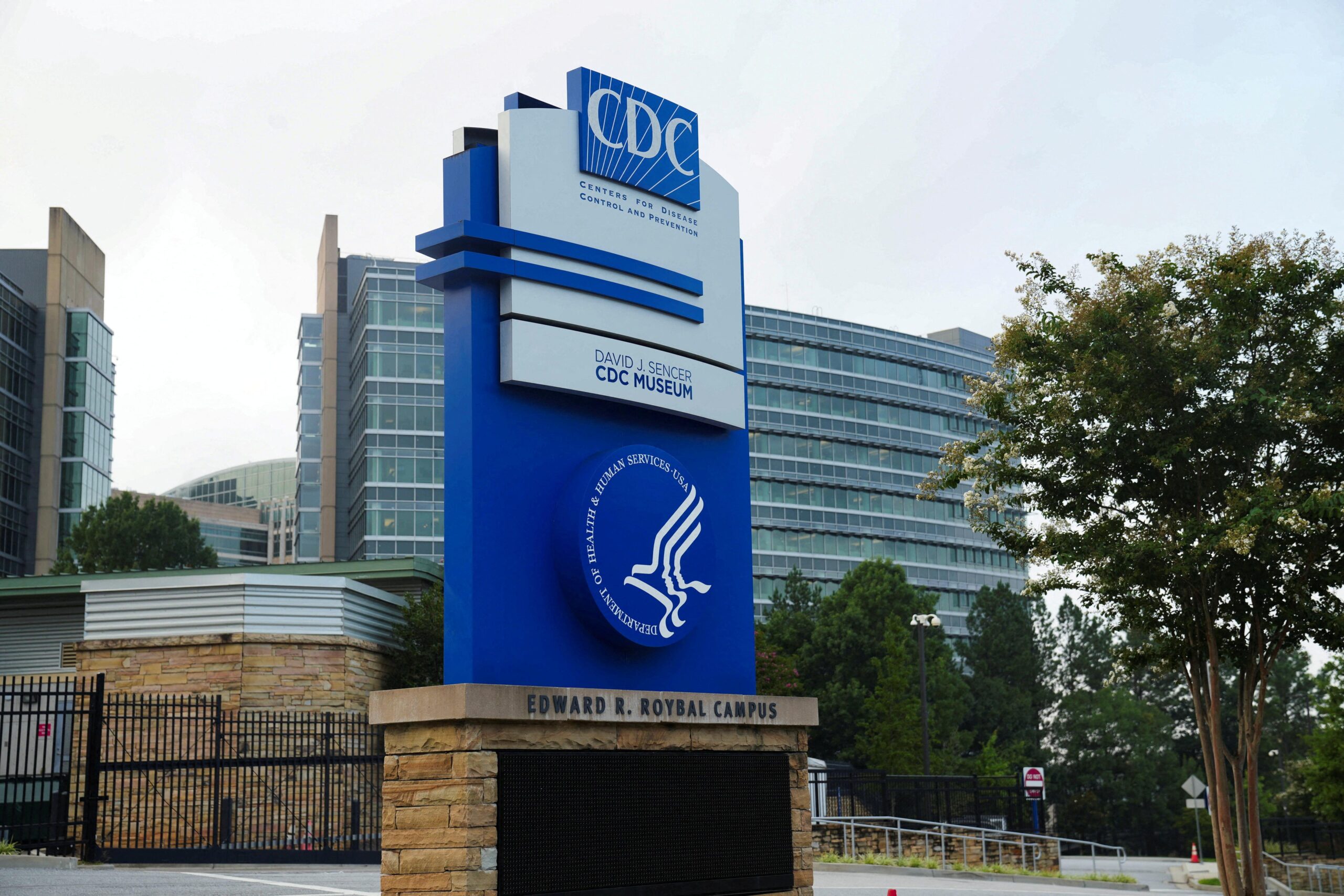
The U.S. Centres for Disease Control and Prevention (U.S. CDC) says Lassa fever continues to claim one in every four infected persons in affected communities in Nigeria.
The U.S. CDC said this was despite the availability of effective treatment when cases are detected early.
Banji Ipadeola, team lead, epidemiology surveillance, Division of Global Health Protection at the Global Health Centre, disclosed this on Tuesday in Abuja.
According to Mr Ipadeola, delayed diagnosis and treatment remain major factors driving deaths from the viral haemorrhagic disease.
“Lassa fever is real, and people die from Lassa fever. In fact, this year alone, one in every four cases of Lassa fever has died,” Mr Ipadeola said.
Mr Ipadeola, however, said that Lassa fever could be successfully treated when patients sought medical attention early. He said many Nigerians often mistook the symptoms of the disease for malaria or typhoid fever, resulting in delays in accessing appropriate care.
“The early symptoms are fever, headache and body pains. These symptoms are similar to those of malaria and other common illnesses, making diagnosis difficult without proper testing. That is why people should visit healthcare facilities promptly when they experience such symptoms instead of self-medicating,” he said.
According to Mr Ipadeola, early diagnosis significantly improves survival rates, as patients who receive timely treatment have a much higher chance of recovery.
Mr Ipadeola said that Lassa fever was primarily transmitted through exposure to food, household items or surfaces contaminated with the urine or droppings of infected rodents.
Mr Ipadeola said that transmission could also occur from person to person through contact with the blood, saliva, urine or other bodily fluids of infected individuals.
The epidemiologist said that healthcare workers, caregivers and family members caring for infected persons remain at heightened risk when infection prevention and control measures are not strictly observed.
He identified frequent human contact with rodents as one of the major drivers of transmission in Nigeria.
“People living in environments where rats are common are at greater risk. Some people who consume rats may also be at increased risk. Once you remove rats from the environment, you are likely to reduce the spread of Lassa fever,” Mr Ipadeola said.
(NAN)
