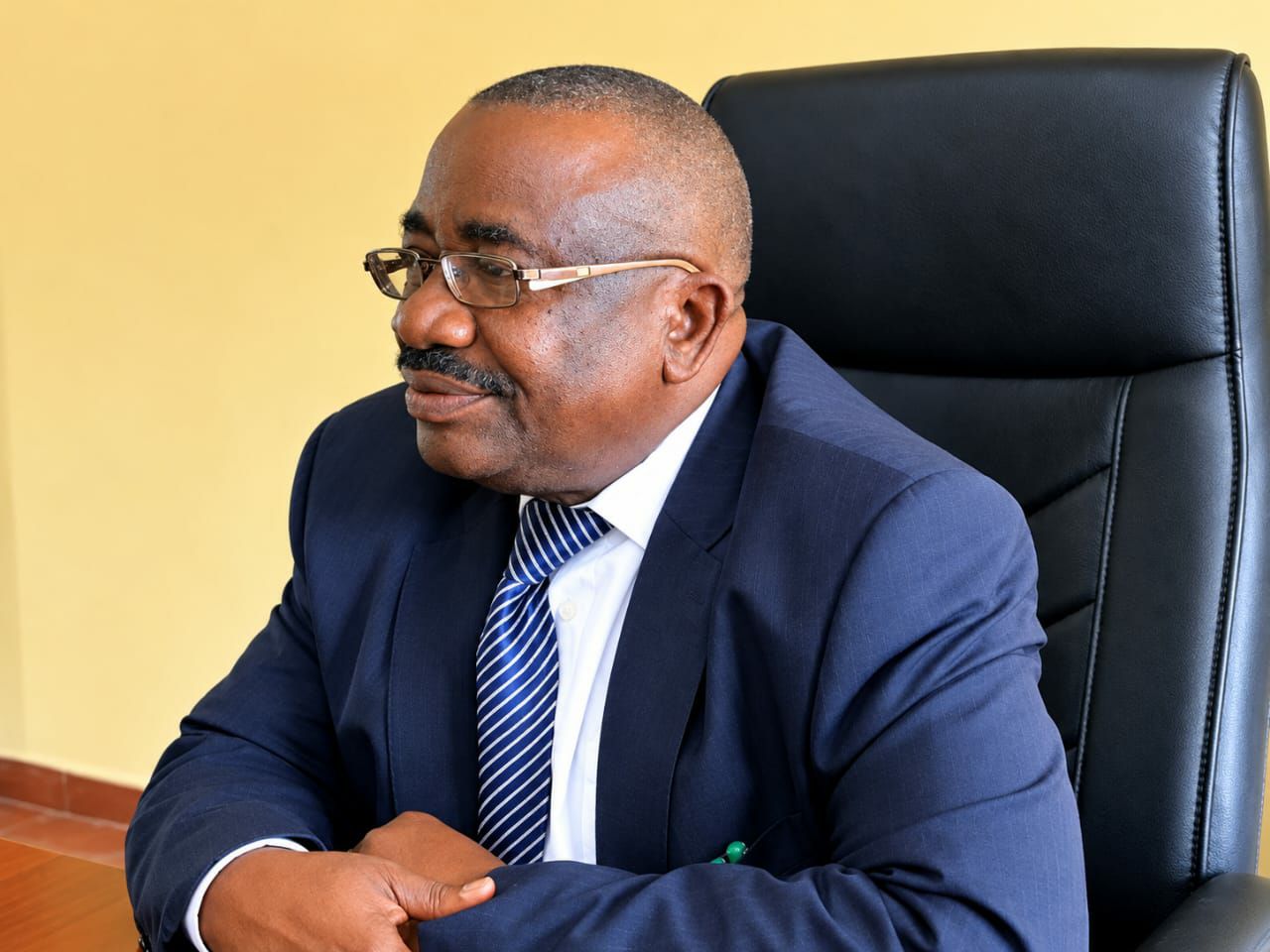





The Anambra State Judicial Service Commission (JSC) has sanctioned several judicial officers and staff over various acts of misconduct, warning that violations of service regulations will attract stringent disciplinary measures.
The Chief Judge of Anambra State and Chairman of the Commission, Justice Onochie Anyachebelu, issued the warning as the commission intensified efforts to enforce discipline and accountability within the state’s judiciary.
The Executive Secretary and Permanent Secretary of the Commission, Barr. Stanley Mbanaso, disclosed this on Friday, October 9, 2026, while briefing journalists in Amawbia on the outcome of the commission’s 293rd meeting.
Among the decisions, the commission directed three security watchmen, Benjamin Maneke, Charles Okoye and Uchenna Onwubiko, who were implicated in theft at its premises, to refund ₦1.895 million, representing one-third of the estimated value of the stolen items.
Mbanaso said the officers have three months, effective September 25, 2026, to make the refund or risk suspension and handover to the police for criminal prosecution.
The commission also suspended two bailiffs of the High Court of Justice, Nnewi Judicial Division, Chief Bailiff Emeasoba Onyeka Kizito and Assistant Chief Bailiff Nnamdi Ezike, for two months over misconduct, effective September 25, 2026.
Similarly, Mrs Gloria Chiaghanam, a cleaner with the commission, was dismissed from the judiciary service for prolonged absence from duty without permission or authorisation.
A Higher Executive Officer, Ifeanyichukwu Vincent Okoye, received a strongly worded letter of reprimand for misconduct, while Senior Clerical Officer Kenneth Nwafor Izuchukwu was barred from receiving salary and other emoluments for four months, covering January to April 2026, for absence from duty without authorisation.
The commission further directed that any salary already paid to Nwafor for the affected period be withheld or recovered accordingly.
In another decision, the commission approved the voluntary retirement of Chinyere Lovina Okafor, a Legal Research Assistant attached to Justice P.N.T. Otti, following her retirement letter dated November 5, 2025, and subsequent travel outside the country in December 2025 without permission.
She was also directed to refund any salary or emoluments received after December 5, 2025.
Mbanaso disclosed that the commission had also directed that queries be issued to magistrates and presidents of customary courts who failed to submit case returns or recorded zero performance during the first and second quarters of 2026.
He said the commission, however, directed that letters of commendation be written to magistrates and presidents of customary courts who demonstrated excellent performance in submitting their case returns during the period under review.
The commission also confirmed 59 staff members, including special-category personnel such as verbatim court reporters, in permanent positions. The staff were employed between 2023 and 2024.
Explaining the legal basis for the disciplinary measures, Mbanaso cited Section 53(1) and (2) of the Anambra State Judicial Service Regulation 2006, which identifies misconduct to include unauthorised absence from duty, lateness, misbehaviour and other acts contrary to civil service rules.
He explained that petitions alleging misconduct are investigated by the commission’s disciplinary committee, which makes recommendations to the board chaired by the Chief Judge.
The board, comprising the Chief Judge and five other members, including the Attorney-General of the state and the Chief of Staff to the Governor, reviews the recommendations and approves appropriate sanctions in line with the relevant regulations and civil service rules.
Mbanaso assured that the commission, which oversees administrative discipline within the judiciary, remained committed to eliminating misconduct and ensuring that judicial officers and other employees discharged their duties in accordance with established regulations.
He also appealed to Governor Chukwuma Charles Soludo to approve the recruitment of more judges, magistrates and other judicial staff to strengthen justice delivery in the state.
According to him, more than 300 staff members have retired from the judiciary in the past six years, creating an urgent need for replacements and a structured transition process.
He stressed the importance of ensuring that retiring personnel adequately trained their successors to prevent gaps in institutional knowledge and maintain the effective functioning of the judiciary.