


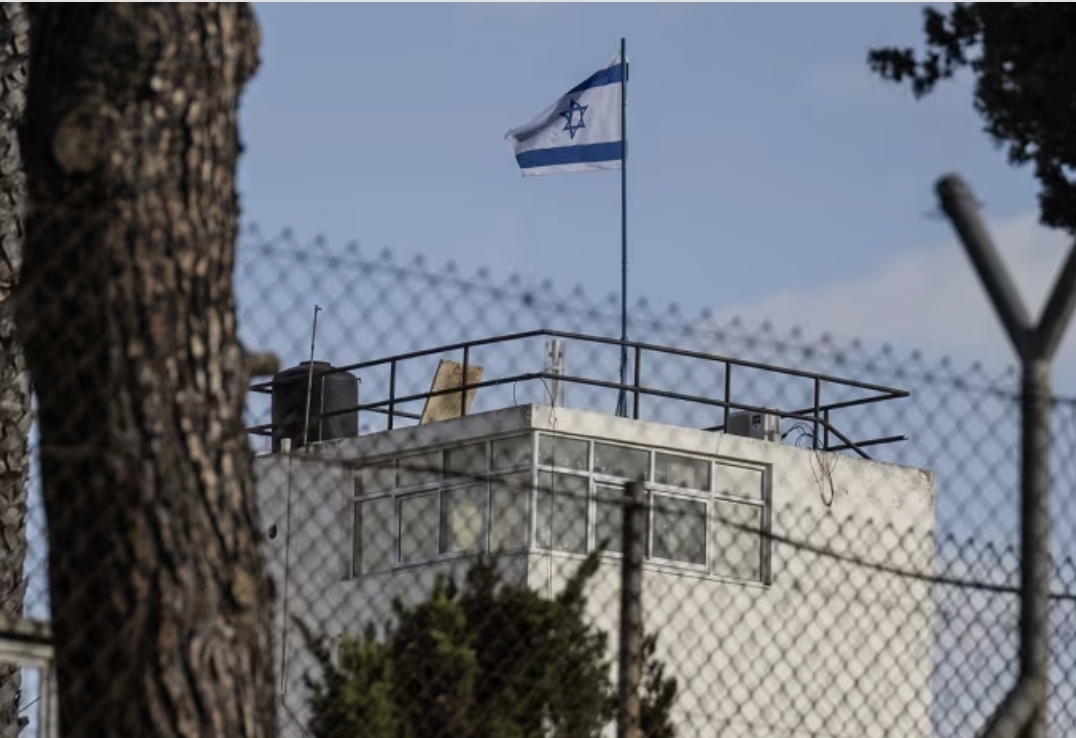
Israelis head to the polls on Tuesday for legislative elections widely described as among the most consequential in the country’s history, the first since the Hamas-led attacks of October 7, 2023, and the ensuing war in Gaza.
The vote will decide the makeup of the next government as Israel remains locked in multiple conflicts, faces mounting international criticism and contends with deep domestic divisions.
Two main blocs are competing. The pro-Netanyahu coalition is led by Prime Minister Benjamin Netanyahu’s Likud party and includes ultra-Orthodox parties United Torah Judaism and Shas, as well as far-right groups Otzma Yehudi and Religious Zionism-Zehut, headed by ministers Itamar Ben-Gvir and Bezalel Smotrich.
The main opposition alliance brings together the Yashar party of former military chief Gadi Eisenkot, the Democrats led by Yair Golan, Avigdor Lieberman’s Yisrael Beiteinu, and the Together alliance of former prime minister Naftali Bennett and opposition leader Yair Lapid.
Final opinion polls before a ban on new surveys took effect on Friday showed neither bloc on course for a 61-seat majority in the 120-member Knesset. One survey by public broadcaster KAN projected 52 seats for the opposition and 50 for Netanyahu’s camp, with the rest held by unaffiliated parties including the two main Arab-majority lists.
Both major blocs have so far ruled out formal alliances with the Arab parties.
Key issues dominating the campaign include demands for accountability over security failures surrounding the October 2023 attacks, anger at the ultra-Orthodox community’s military draft exemptions, and opposition to Netanyahu’s repeated pushes for judicial reforms that critics say weaken democratic institutions.
“The secular and liberal opposition factions in Israel feel this election is the last chance to save Israeli democracy and restore the institutions that have eroded over Netanyahu’s successive terms,” said Mairav Zonszein, a senior analyst at the International Crisis Group.
Prominent Israeli sociologist Yehouda Shenhav-Shahrabani noted that far-right attitudes and divisions had intensified. “Strains of Israeli society had always been given to violence and right-wing rhetoric, but the trends that had always been present had accelerated under the current government,” he said.
Netanyahu, Israel’s longest-serving prime minister, faces scrutiny over the October 2023 security failures and ongoing corruption charges dating from 2019. An electoral defeat would leave him more exposed to his trial and to any potential commission of inquiry.
About 1.2 million Palestinian citizens of Israel are eligible to vote among the 7.3 million total electorate. Turnout among this community could reach 60 percent or higher, potentially giving Arab lists up to 15 seats. Israel’s Central Elections Committee sought to bar the main Arab lists last month, but the Supreme Court overturned the decision, though it forced Balad leader Sami Abu Shehadeh to withdraw.
Neither major coalition has indicated willingness to rely on Arab parties to form a government, raising the prospect of difficult post-election negotiations or a minority administration.
