





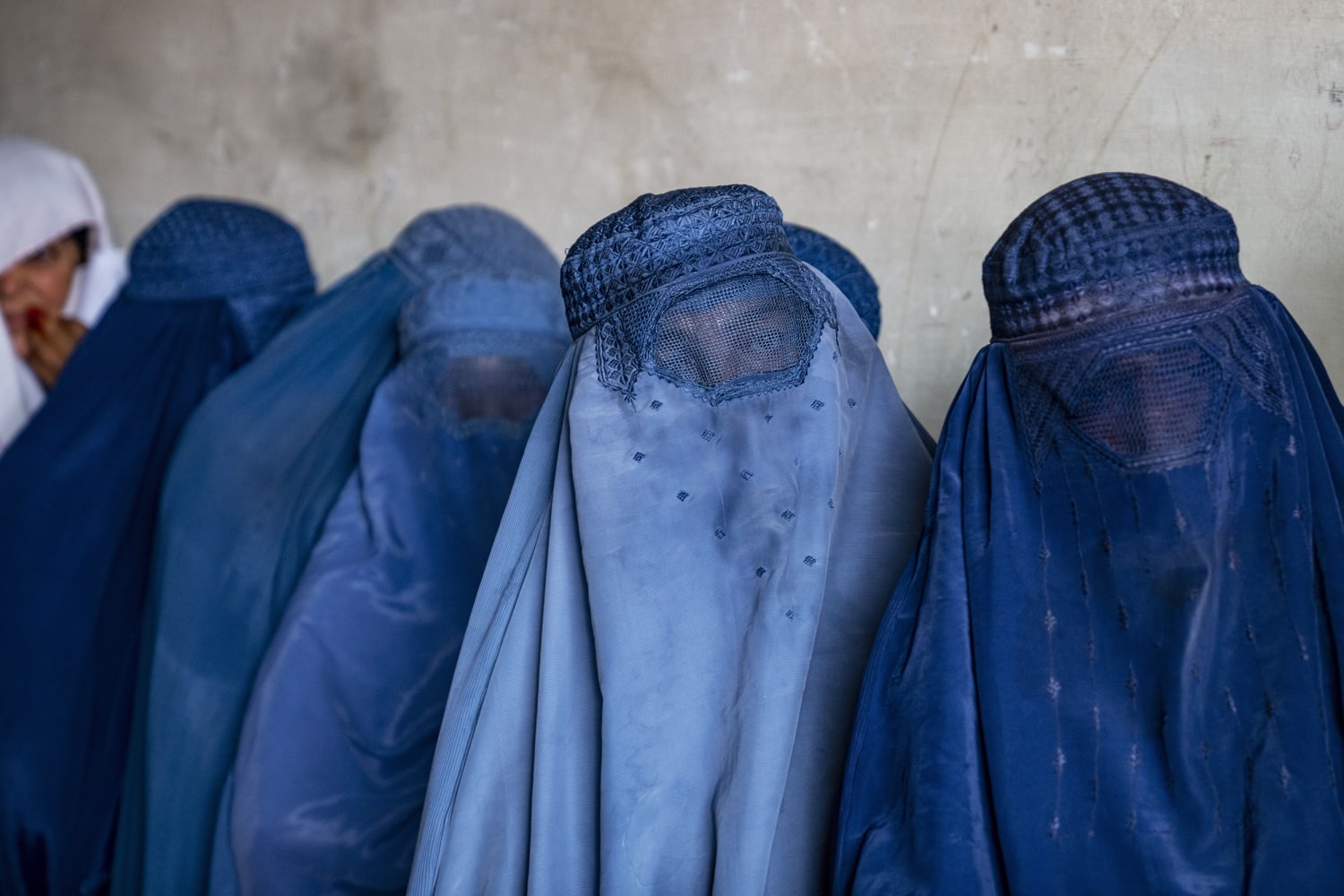
Taliban authorities in Afghanistan’s northern Balkh province have ordered government officials and healthcare workers to stop using women’s first names in official documents, medical records and prescriptions, replacing them with the generic term “Bibi,” according to reports based on a joint investigation.
The directive, issued by officials from the Ministry for the Propagation of Virtue and the Prevention of Vice and reported to have taken effect around May, requires that women be identified as “Bibi” — a traditional term of address meaning “granny,” “older woman” or “lady” — on hospital files, prescriptions and other paperwork. The measure currently appears limited to Balkh, with no confirmation of a nationwide order.
According to reporting by Afghan outlet Zan Times, The Guardian and Spain’s El País, the instruction applies in hospitals, clinics and government offices. Healthcare workers and public employees have been told not to record or call out women’s given names.
Women’s rights activist Lalah Osmany, based in Germany, told El País that the practice has in some cases gone further. “The Taliban have now not only ordered [Balkh] officials to stop writing and pronouncing women’s real names, labeling them all as Bibi,” she said, citing testimonies from women, doctors and activists, “but in many cases, they are referred to in degrading terms associated with animals like ‘goat’ or ‘cow.’”
Osmany described the removal of names as “a systematic process of dehumanisation,” warning that registering multiple patients under the same label risks medical errors in diagnosis and treatment. “Imagine a hospital with dozens of patients named ‘Bibi,’” she said in remarks carried by multiple outlets.
The development adds to the extensive restrictions imposed on Afghan women and girls since the Taliban returned to power in August 2021. These have included bans and severe limits on education, employment, freedom of movement and participation in public life. Women’s names have historically been omitted from some public and family documents in Afghanistan, including certain wedding invitations and gravestones.
Human rights advocates have raised concerns that the Balkh order further erodes women’s individual recognition and dignity while complicating access to accurate medical care. There was no immediate public comment from Taliban authorities on the specific provincial directive.
