




Anambra State House of Assembly has assured the National Drug Law Enforcement Agency (NDLEA) that it will partner in the war against drug abuse and other illicit substances.
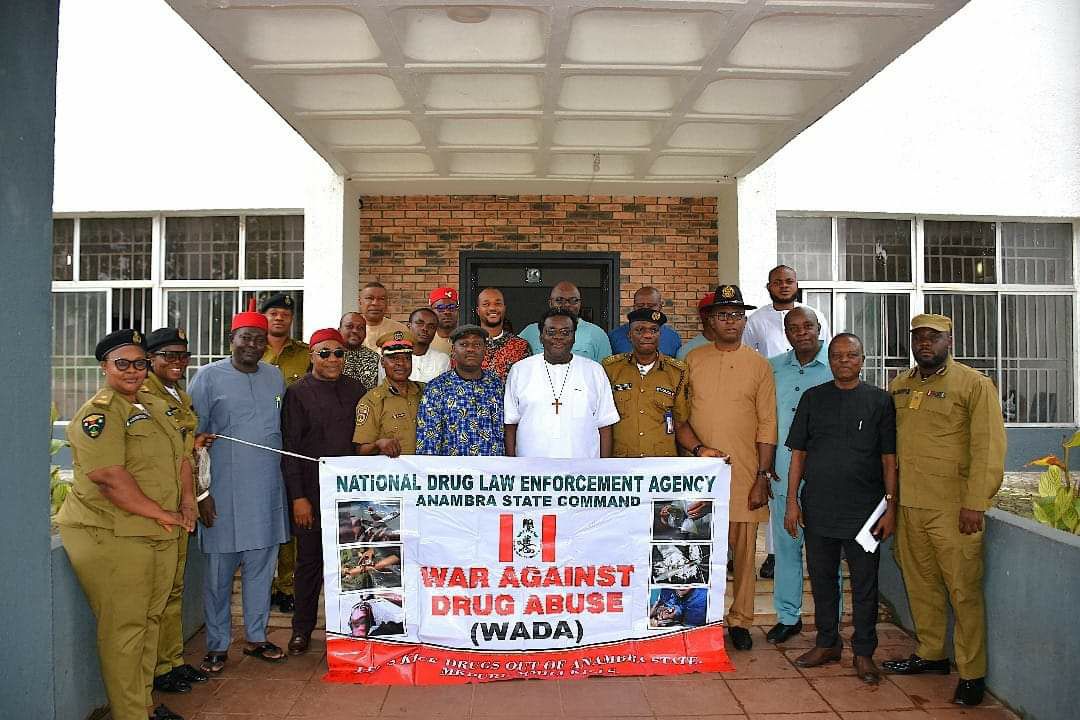
Angel Network News (ANN) reports that Anambra Assembly Speaker Rt. Hon. Somtochukwu Udeze while welcoming the a delegation from the NDLEA, Anambra State Command, led by Commander of Narcotic, Onyishi, on Tuesday, alongside other members of the House, said highlighted some of the pressing challenges facing the society as a result of drug abuse.
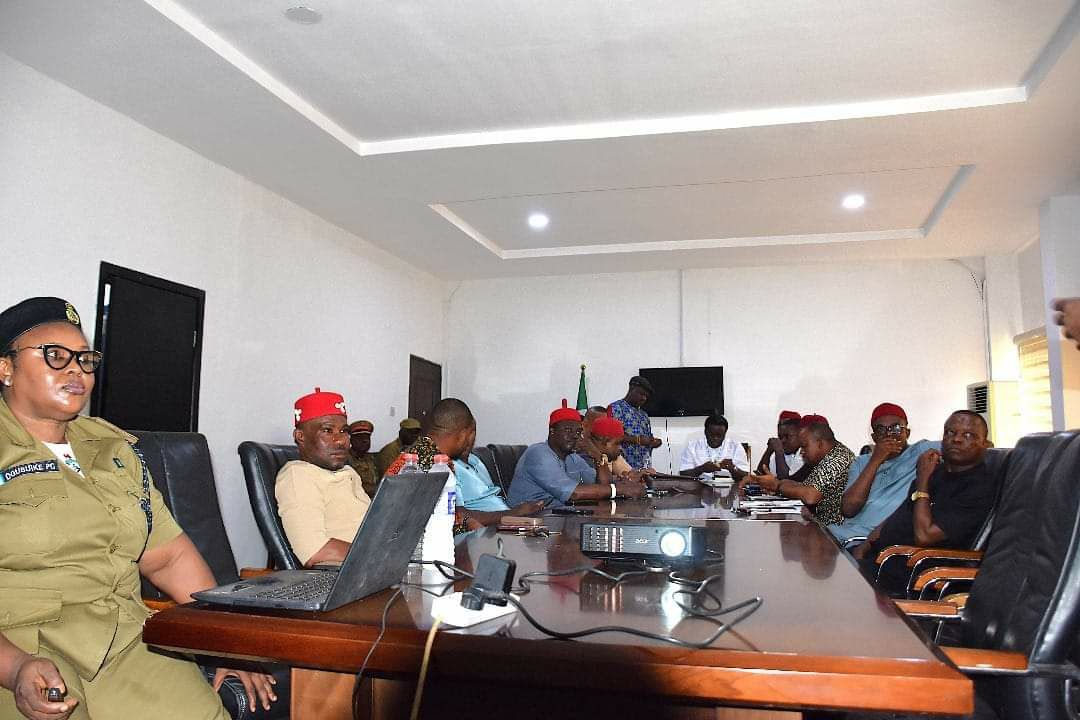
The meeting, held at the Speaker’s conference room, was a heartfelt discussion about the pressing challenges of drug abuse in Anambra State.
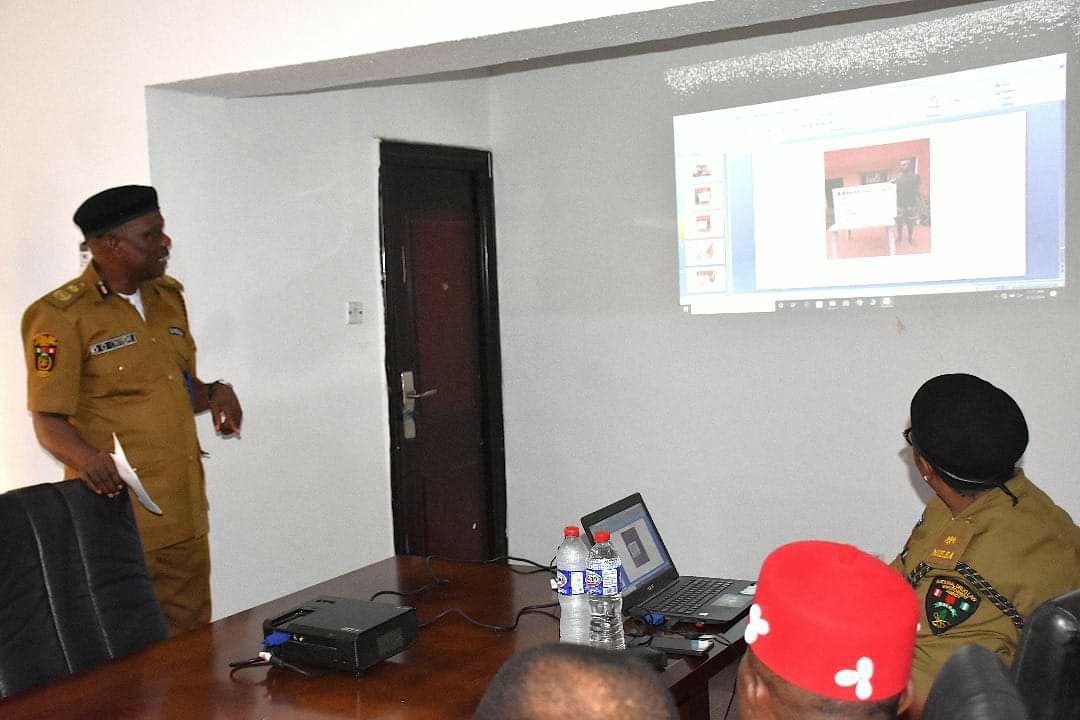
Commander Onyishi in his presentation pointed the alarming rise in the number of women involved in drug activities.
He passionately appealed to the lawmakers for collaboration, emphasizing that the Assembly members, being closer to the grassroots, are important stakeholders in the fight against drug abuse and illicit substances. His call was clear: a joint effort is necessary to curb this growing menace.
One of the Commander’s major points was the urgent need for rehabilitation centers across Anambra’s zones and the need for setting up community-based committees that will aid in this fight against druf abuse.
He further pointed out the current lack of facilities for accommodating and rehabilitating drug addicts, a gap that leaves many without the help they need. Beyond this, Commander Onyishi stressed the necessity for land to build NDLEA barracks and adequate mobility resources to extend their reach into remote villages.
In response, Rt. Hon Somtochukwu Udeze assured the NDLEA of the House’s commitment to supporting this crucial battle against drug abuse.
Rt. Hon Udeze acknowledged that the scourge of drug misuse has significantly contributed to the societal decay we witness today.
Some of lawmakers while speaking, highlighted some strategic approach including advocating for the NDLEA to be moved from the exclusive list of the Federal Government to the concurrent list.
According to the lawmakers, the shift would empower state legislatures to enact laws directly addressing these challenges, enabling a more localized and effective response.