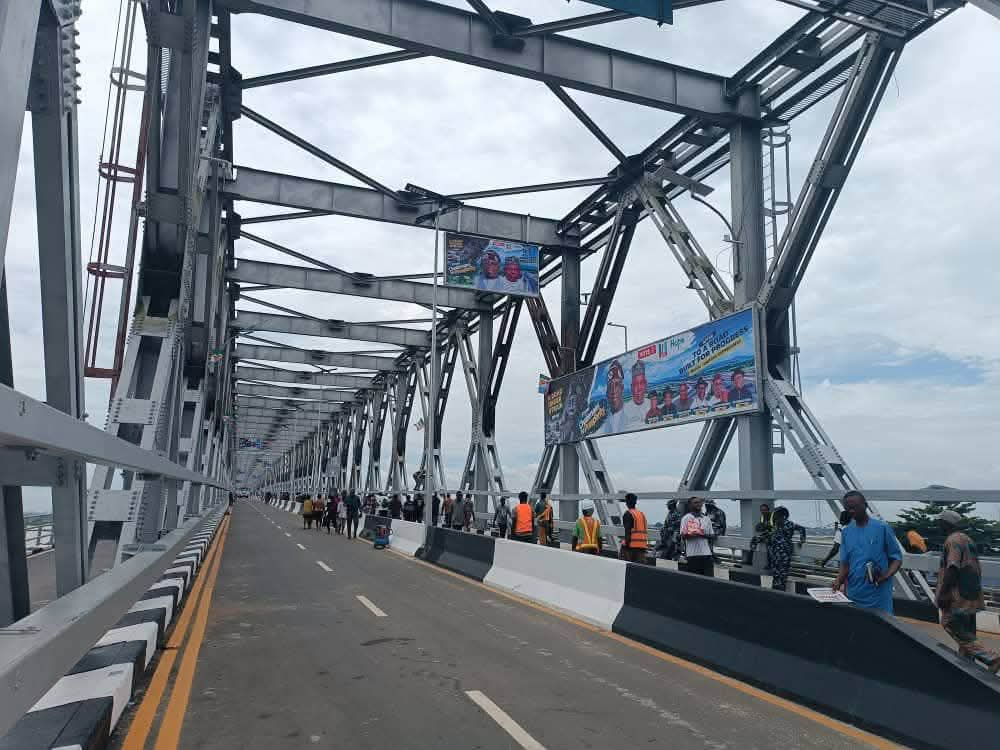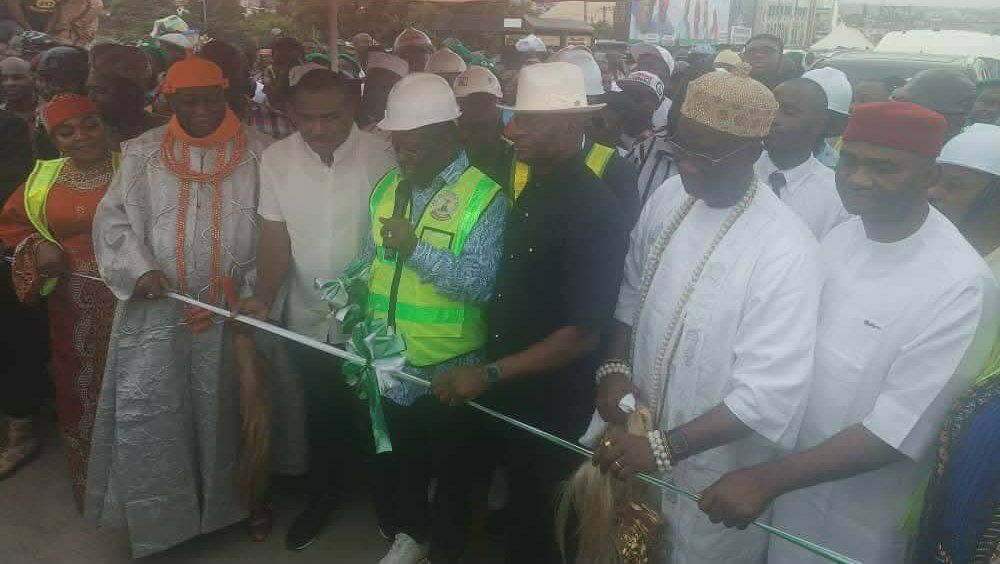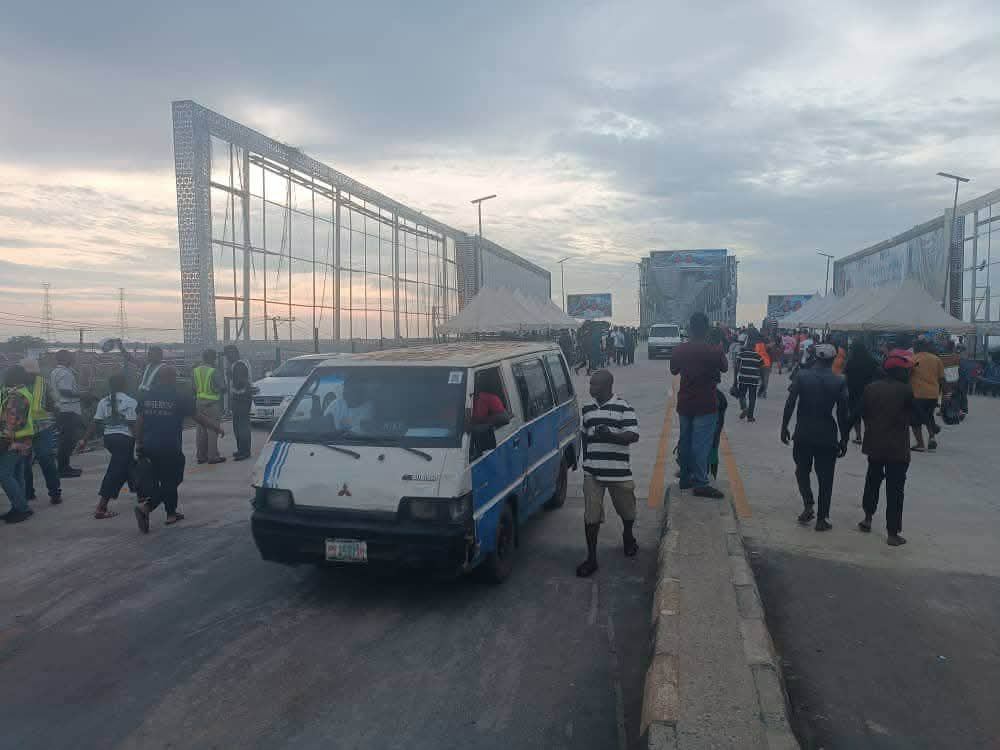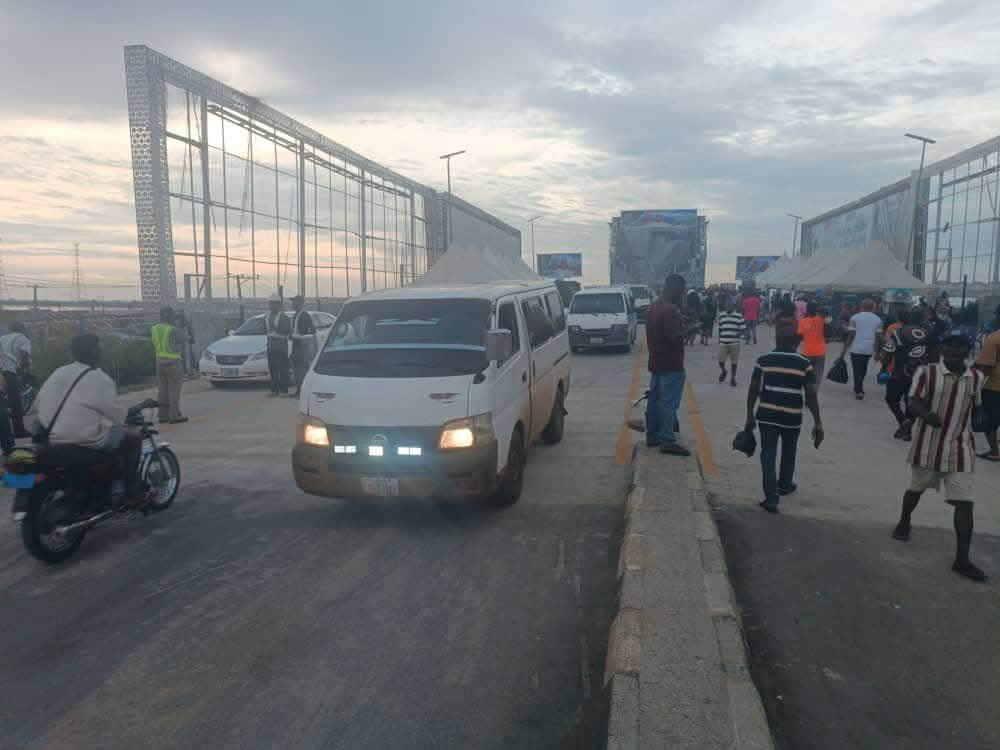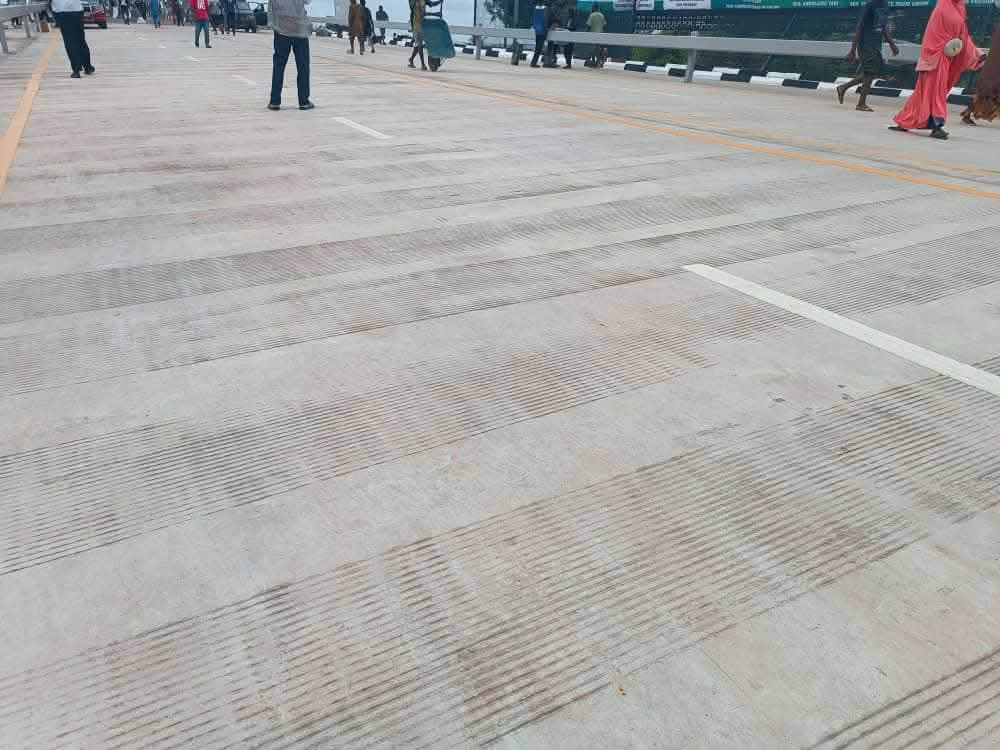

The Federal Government has reopened the First Niger Bridge to motorists following weeks of rehabilitation works aimed at improving road safety, enhancing traffic management and preserving the strategic infrastructure linking Anambra and Delta States.
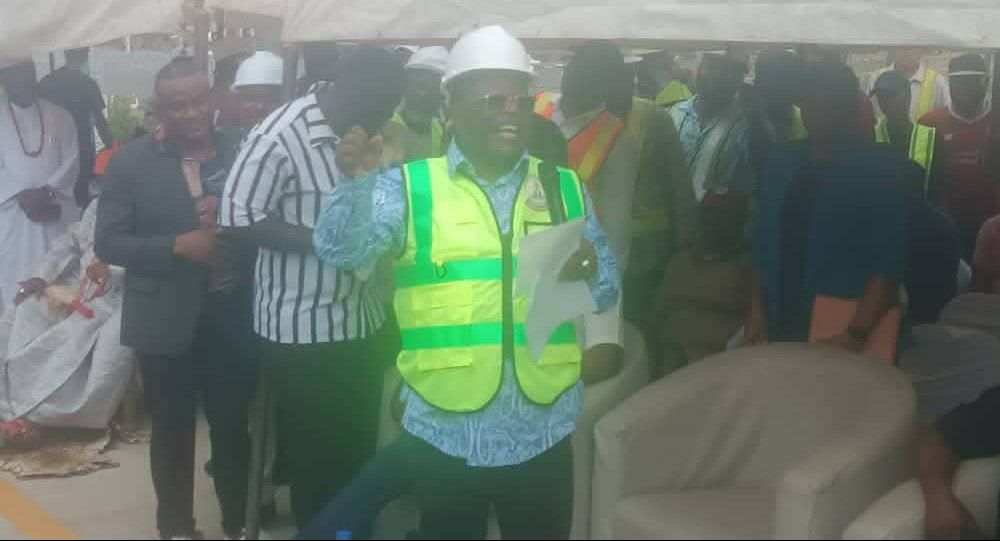
The Minister of Works, Engineer David Umahi, disclosed this while highlighting the rehabilitation works and additional safety measures introduced to protect the bridge and ensure safer movement of vehicles.
Umahi said the intervention included the resurfacing of the bridge, installation of solar-powered streetlights and CCTV cameras, and construction of turnaround points to enable motorists to manoeuvre safely in the event of vehicle breakdowns.
He explained that a median barrier had also been installed to promote traffic discipline and discourage dangerous driving. Observation centres are equally being established at both ends of the bridge to strengthen security monitoring.
The minister expressed concern over the removal of bolts and the cutting of steel components on the bridge, warning that such activities could compromise its structural integrity and endanger motorists.
He reaffirmed the Federal Government’s commitment to maintaining critical national infrastructure and safeguarding road users.
In his remarks, the Deputy Chief Whip of the Nigerian Senate, Senator Onyekachi Nwebonyi, commended President Bola Tinubu for prioritising infrastructure development and approving the rehabilitation of the bridge.
Nwebonyi described the First Niger Bridge as an important national asset, commending the Minister of Works for his role in the rehabilitation project.
He noted that the bridge remains a major transport link for commuters, traders and businesses travelling between Anambra and Delta States, as well as other parts of the country.
Also speaking, the Anambra State Commissioner for Works and Infrastructure, Architect Okey Ezeobi, expressed appreciation to President Tinubu and the Minister of Works for the Federal Government’s intervention in infrastructure development in the Southeast.
Ezeobi said the rehabilitation and reopening of the bridge were expected to facilitate smoother movement of people and goods, while underscoring the importance of sustained maintenance of critical national infrastructure.
He added that the project reflected continued federal attention to infrastructure development in the region.