


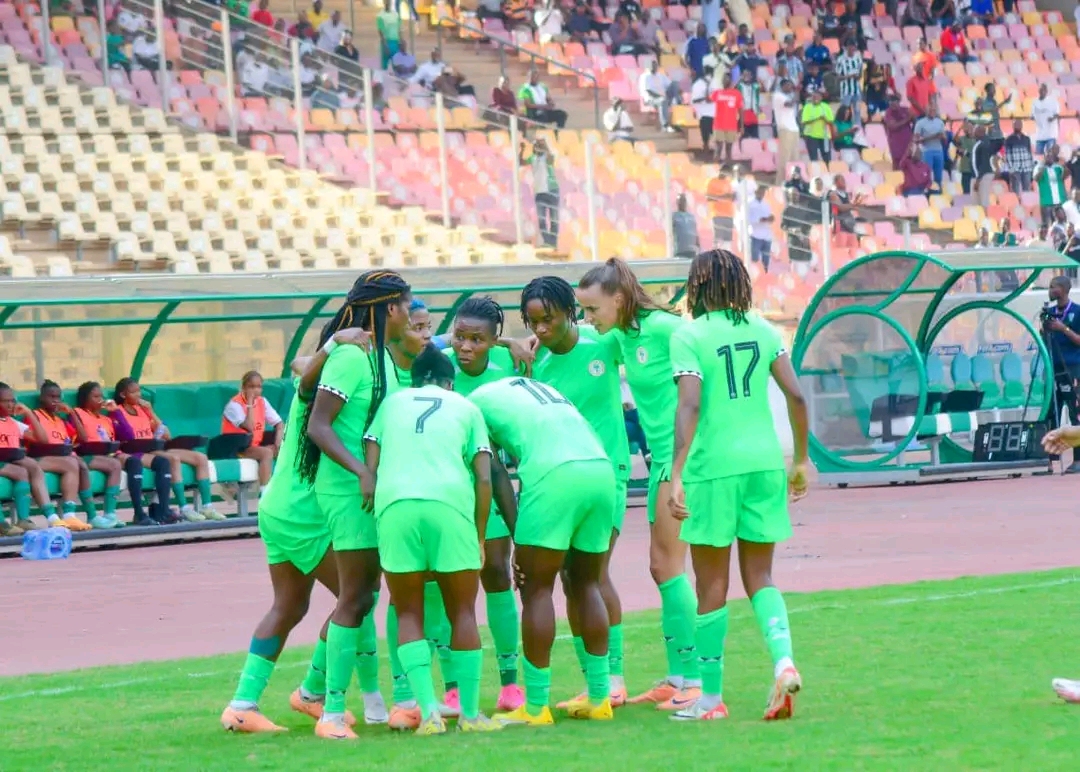
A Nigeria Football Federation fact-finding committee has attributed the Super Falcons’ early exit from the 2026 Women’s Africa Cup of Nations in Morocco and their failure to qualify for the 2027 FIFA Women’s World Cup to a combination of player injuries, organisational shortcomings and deeper structural problems within Nigerian football.
The committee, chaired by Ambassador Fanny I. Amun and including former players Desire Oparanozie, Ladan Bosso and Mutiu Adepoju, submitted its official report dated 21 August 2026. Its terms of reference required it to identify the root causes of Nigeria’s recent poor results in international competitions, with specific focus on the Super Falcons’ performance in Morocco.
In its executive summary, the panel found that players had generally cooperated and that no individual exerted undue influence over team selection. It examined the case of defender Ashleigh Plumptre and confirmed she had undergone surgery and was not fit to play, a finding corroborated by team doctors in Nigeria and at her foreign club.
The committee expressed concern over the manner in which some officials “infiltrated the camp at will,” stating that it did not agree with the process. It also noted an “incident with missing money in Morocco” that it said should be managed at the highest level of leadership.
Broader findings pointed to long-standing challenges. These included difficulties with player release and communication, inadequate early preparation for tournaments, weaknesses in the women’s league, and the need for stricter regulations, better coaching education and improved age verification systems.
The report listed several allegations requiring further internal verification. These included claims that some board members influenced player invitations to national teams, that coaches and officials sometimes invited players for financial gain, that board members and management staff received payments while players and their officials did not, and that certain staff had been allowed to overstay in lucrative positions.
It also highlighted the negative impact of social media on team cohesion and called for equitable compensation structures, stronger government and corporate support, and reforms to the NFF statutes to create a more inclusive and accountable federation.
“There is a need to actually focus on diagnostic synergies that can now reposition proper treatment of areas highlighted,” the report stated. It urged that advice be “practical, implementable, and should be the ones that show political will.”
The committee recommended early and coordinated preparation for national teams, greater use of technology to attract funding, better structuring of the domestic leagues, and continuous training for administrative and technical staff. It also advised that player selection be based on current fitness and performance data.
While acknowledging the team’s efforts in Morocco, the panel concluded that systemic reforms across governance, finance, technical development and league management were essential to restore competitiveness and stakeholder confidence in Nigerian football.
