




Interview
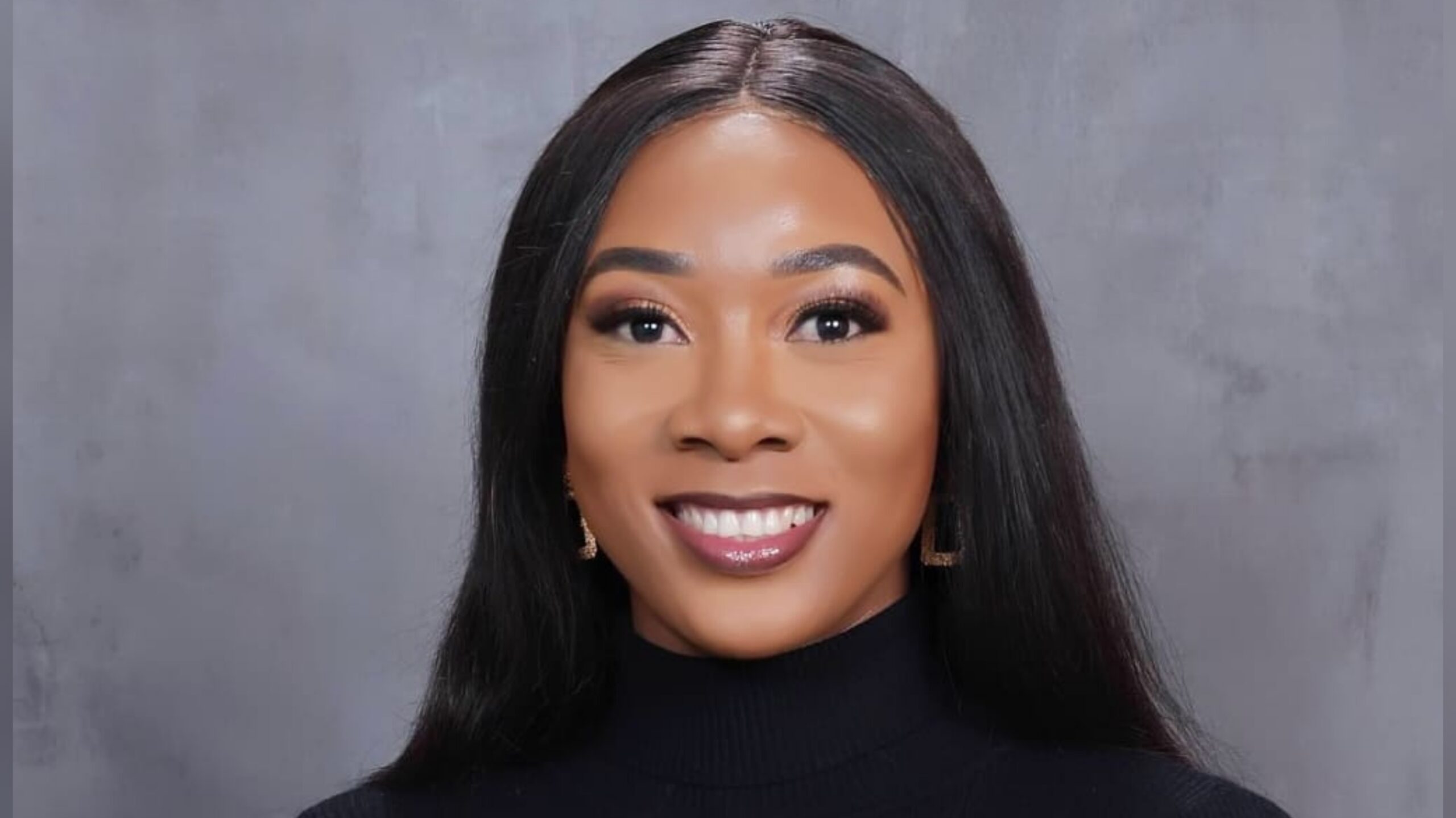
Chinenye Echem is a public health professional with about a decade of highly impactful work in the public health space. From the time she began her professional journey as an intern in Lagos Nigeria, until
now she serves as Clinical Specialist at Roots Community Health Center in California, U.S.A. Chinenye’s journey has been marked with excellence and outstanding achievements including numerous awards.
Recently, Chinenye was awarded the Health Leadership Award by the Bay City Medical Transportation.
The award recognises her exceptional leadership in improving public health outcomes in underserved
communities, especially those riddled with poverty and affected by systemic inequities.
In this chat, she gives us a glimpse into her life, work, and what her recent achievement means to her.
From Lagos, Nigeria to California, U.S.A, you have stayed on this path, can you share a bit about
what inspired you to pursue a career in public health?
My journey from Lagos, Nigeria, to California has been deeply influenced by my passion for addressing
health inequities. Growing up in Nigeria, I witnessed firsthand the significant gaps in healthcare access
and the devastating impact of preventable diseases on communities. These experiences planted the seed
for my desire to make a difference in public health.
When I moved to the U.S. to study public health at Cal State University, I saw even more clearly how
systemic inequities affect marginalized communities, particularly in low-income Black neighborhoods.
This fueled my commitment to work on issues like smoking cessation and asthma management, where I
could have a direct impact.
Working with organizations like the African American Tobacco Control Leadership Council (AATCLC)
and working as a clinical specialist with Roots Community Health Center in Oakland has allowed me to
merge my academic knowledge with practical community work. The drive to ensure that everyone,
regardless of their background, has access to the healthcare and support they need is what continues to
inspire and guide my career in public health.
The work you do is highly impactful, but also very challenging. What are some of the most
significant obstacles you’ve encountered, and how have you stayed motivated to continue your
work?
The work I do in public health, particularly within marginalized communities, is indeed impactful but
comes with its fair share of challenges. One of the most significant obstacles I’ve encountered is the
pervasive issue of systemic inequities. These inequities manifest in various forms, from lack of access to
healthcare and resources to deeply ingrained societal barriers that perpetuate poor health outcomes.
Working in low-income Black communities, both in Nigeria and the U.S., I’ve seen how these inequities
create a cycle of disadvantage that is incredibly difficult to break.
Another major challenge is the resistance to change, especially when it comes to public health policies
that aim to address these systemic issues. For example, during my work with the African American.
Tobacco Control Leadership Council (AATCLC) on the menthol tobacco ban in California, we faced
significant pushback from the tobacco industry and even from some community members who were
skeptical about the benefits of such legislation. Overcoming this resistance required a combination of
education, advocacy, and persistent efforts to raise awareness about the long-term benefits of the ban for
public health.
Resource limitations are also a constant challenge. Whether in Nigeria or the U.S., there is often a lack of
sufficient funding, personnel, and infrastructure to adequately address the health needs of underserved
populations. This can be incredibly frustrating, especially when you see the urgent need for intervention
but are constrained by what’s available. Navigating these limitations requires creativity, collaboration, and
sometimes making tough decisions about where to allocate resources for the greatest impact.
Despite these challenges, what keeps me motivated is the tangible difference I see in the lives of the
individuals and communities I work with. When a family gains access to asthma management resources
they previously lacked, or when a community begins to shift its attitudes toward smoking because of our
education efforts, it reaffirms the importance of what I do. The gratitude expressed by those who benefit
from our programs and the gradual but meaningful changes in health outcomes remind me that the work,
though challenging, is essential.
Moreover, I’m inspired by the resilience and strength of the communities I serve. Their willingness to
engage, learn, and advocate for their own health fuels my determination to continue pushing for change.
Each success, no matter how small, is a step toward a larger goal of health equity, and that vision is what
drives me to keep going, even in the face of adversity.
What is one project that you’re most proud of, and what would you say are your top 2 contributions
to your field so far?
Because I started off my career working in a laboratory, research has been a critical part of my life, and
some of my earliest accomplishments hinged on research. That rigorous, evidence driven mindset has also
flowed me into the work that I do now.
I run a community that provides support and community, especially for the addicted and socially isolated.
The work we do through the storyteller community is critical because it helps reduce tobacco, cuts the
externalities produced by smoking.
That said, it is really hard to choose a specific project, because the work that I do matters to real people. It
might be unfair to think that one work has more impact than the other, especially because their impact is
beyond face value. So, you never know.
4. Recently, you received a Health Leadership Award from Bay Area City Medical Transportation.
What does this recognition mean to you personally and professionally?
First, it is a pat on the back, but more than that, it is a huge responsibility, and a call to do much more than
I had done in the past. As a person of colour in America, this award reminds me of why I do what I do.
On a personal level, this award validates the years of hard work, dedication, and passion I’ve invested in
the social impact in health. It’s a reminder that the challenges I’ve faced and the obstacles I’ve worked to
overcome have had a tangible impact on the communities I serve. Knowing that others recognize and
appreciate the efforts I’ve made to improve health outcomes, particularly for marginalized populations, is
deeply rewarding and humbling.
Professionally, this recognition reinforces the importance of the work I do and serves as motivation to
continue pushing for change. This award also provides a platform to further advocate for the causes I’m
passionate about, such as tobacco control and chronic disease management, and to inspire others in the
field to engage in similar work.
In your view, what are the most pressing public health issues facing marginalized populations
today? How can policymakers, organizations, and individuals work together to address them?
This is my opinion, I think the most pressing public health issues facing marginalized populations today
are deeply rooted in systemic inequities that have persisted for generations. These issues are multifaceted,
but some of the most critical include: Health Disparities and Access to Care, social Determinants of
Health, mental Health and Substance Use, environmental Health Risks
Policymakers, Organizations, and Individuals Can Work Together through Implementing Equitable
Health Policies, addressing social determinants of health, community engagement, education and
advocacy, support and solidarity.
Addressing these pressing public health issues requires a comprehensive, collaborative approach that
tackles the root causes of health disparities. By working together, policymakers, organizations, and
individuals can create a more equitable and healthy future for all communities.
What systemic changes do you think are necessary to create lasting improvement generally in the
public health space globally, but more so in vulnerable populations?
To create lasting improvement in global public health, particularly for vulnerable populations, systemic
changes are needed. These include implementing universal health coverage to ensure access to essential
care for all, strengthening primary healthcare systems with a focus on community-based approaches, and
addressing social determinants of health like poverty, education, and housing. Additionally, prioritizing
health equity, fostering global cooperation, investing in public health research, and improving
environmental health protections are crucial. Sustainable funding models and inclusive emergency
preparedness are also essential to build resilient, equitable healthcare systems that can effectively serve
vulnerable populations.
What advice would you give to other young women of color, who are interested in pursuing careers
in public health or as change makers creating social impact? What qualities or values do you
believe are essential for someone in your position?
My advice to young women of color interested in public health or social impact is to embrace your unique
perspective as a strength and stay committed to your purpose. Seek mentorship, build a support network,
and remain resilient in the face of challenges. Essential qualities for success include empathy, integrity,
courage, and a commitment to equity and inclusion. Be bold in advocating for change, collaborate with
others, and continuously seek to learn and grow in your field. Your voice and contributions are vital to
creating a more just and equitable world. Having a clear vision of the change you want to create, along
with the ability to think strategically about how to achieve it, is essential. Set long-term goals, but also be
adaptable and willing to adjust your goals.
Finally, our dedication and unique insights are crucial for driving positive change and addressing the
inequities faced by marginalized communities.
