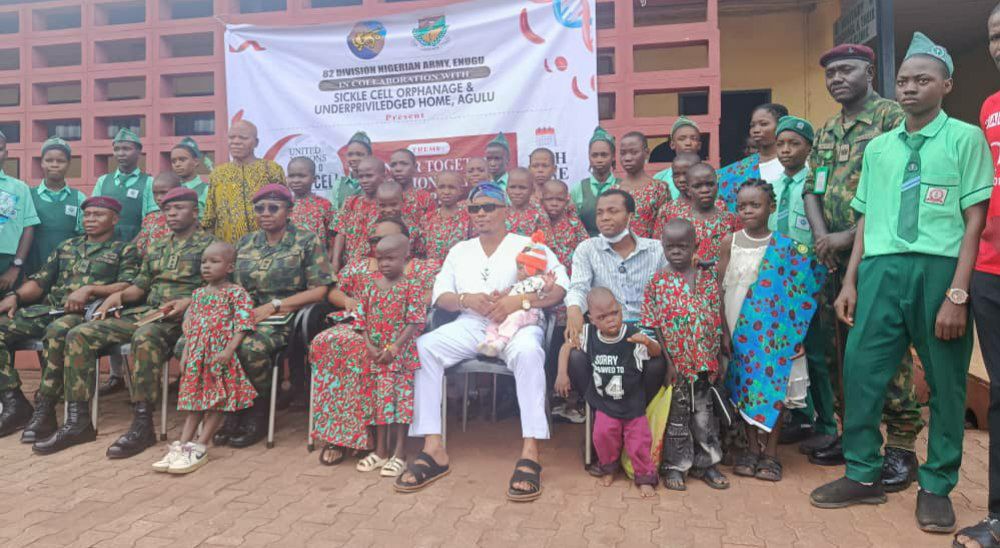





The National Coordinator of the Association of People Living with Sickle Cell Disorder (APLSCD), Mrs. Aisha Edwards Maduagwu, has called on governments at all levels to demonstrate stronger political commitment and increase investment in efforts to eradicate sickle cell disorder in Nigeria.
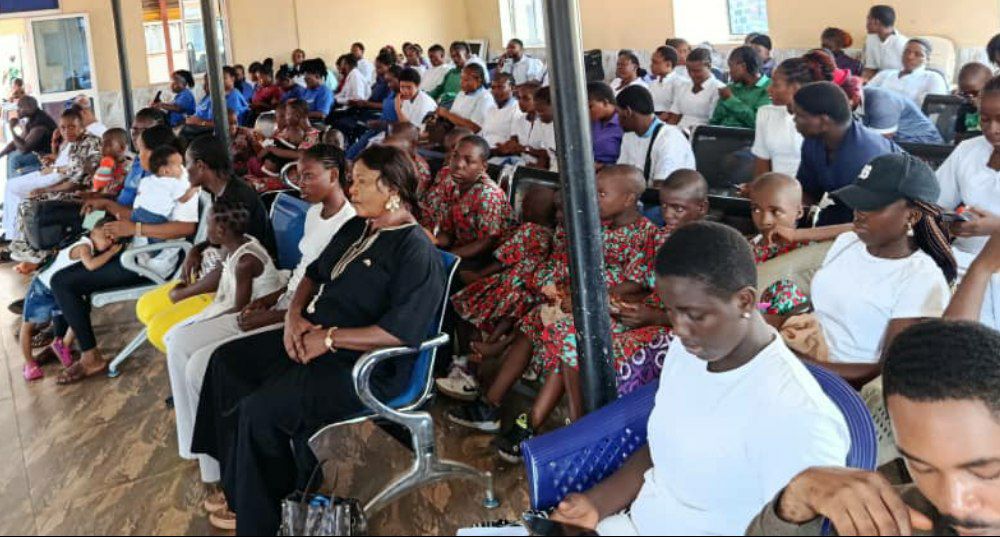
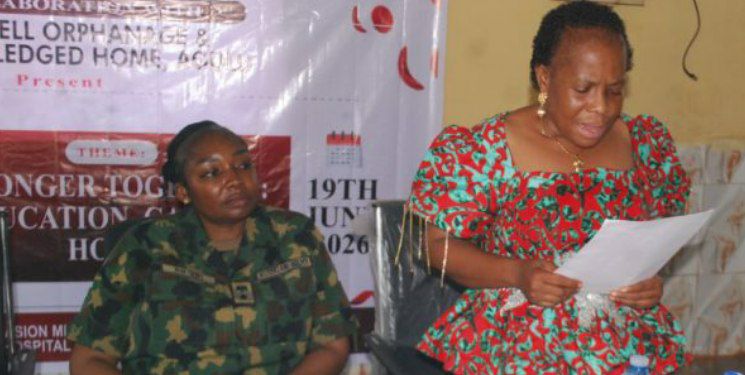
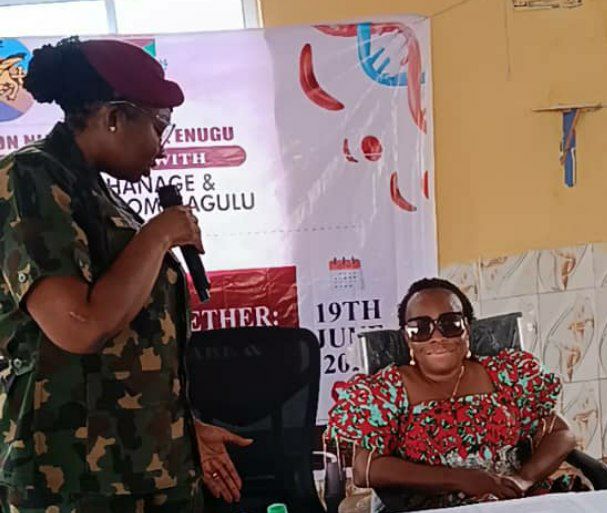
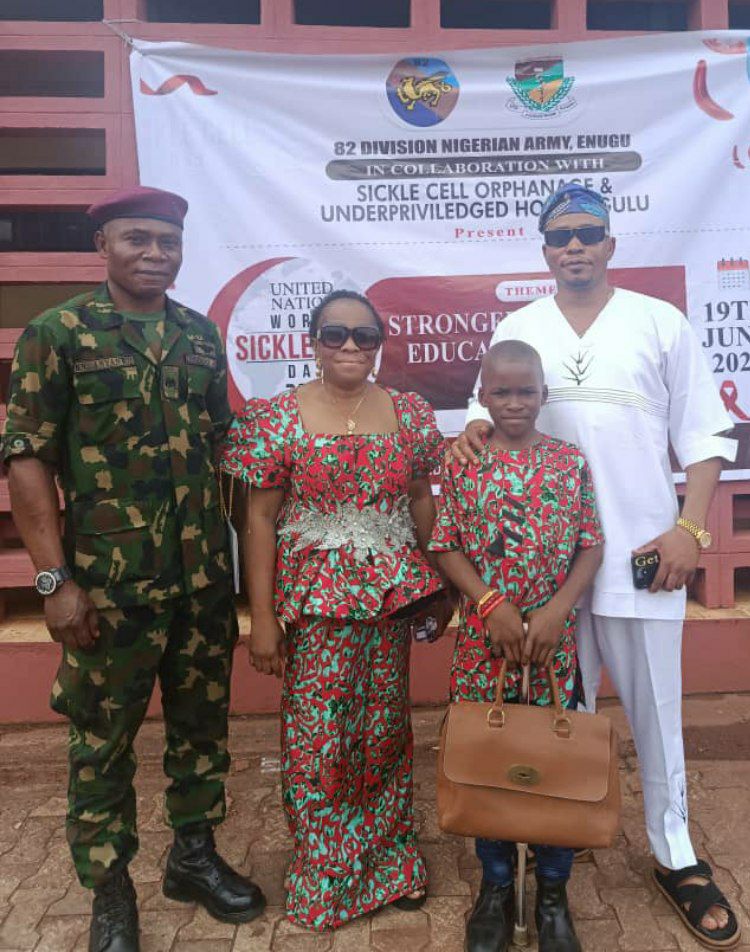
Mrs. Maduagwu made the appeal while delivering an address during the 2026 World Sickle Cell Day celebration held at the 82 Division of the Nigerian Army in Enugu.
Speaking on the theme, “Stronger Together: Education, Care & Hope,” she described the occasion as an opportunity not only to reflect on the challenges faced by people living with sickle cell disorder but also to celebrate their resilience and renew advocacy efforts.
According to her, Nigeria carries the world’s highest burden of sickle cell disorder, accounting for over 75 percent of global cases. She cited estimates indicating that about 1.5 million Nigerian children under the age of 15 are living with the condition, while approximately 150,000 babies are born with it annually. She added that more than 40 million Nigerians are carriers of the sickle cell trait (HbAS).
Mrs. Maduagwu emphasized that genotype awareness and public sensitization remain the most effective tools in preventing the disorder.
“When young people know their genotype, when families understand the inheritance pattern of the SS and AS genes, and when communities embrace voluntary testing, especially before marriage, we take significant steps toward reducing the burden of sickle cell disorder,” Maduagwu said.
She urged stakeholders to intensify awareness campaigns in schools, religious institutions, workplaces, and communities while challenging myths and cultural stigmas that portray sickle cell disorder as a spiritual curse.
The APLSCD coordinator also expressed concern over what she described as the disturbing trend of abandoning children living with sickle cell disorder.
Recounting a recent case handled by her organization, she narrated how an abandoned toddler suffering from chronic adenoid tonsillitis was rescued and successfully treated through the support of benefactors.
While commending federal and state governments for their efforts, Maduagwu advocated mandatory genotype screening for adolescents and intending couples, increased funding for research and newborn screening programmes, establishment of comprehensive care centres, and the integration of sickle cell treatment into national and state health insurance schemes.
Mrs. Maduagwu further called for the enactment and enforcement of anti-discrimination policies to protect people living with sickle cell disorder from exclusion in education, employment, and social life.
Highlighting the achievements of APLSCD, she noted that the association established a Sickle Cell Specialist Clinic at the Nnamdi Azikiwe University Teaching Hospital, Ukpo, in 2016; championed the passage of the Anambra State Sickle Cell Disease (Eradication and Control) Law, 2019; built a vocational and skill acquisition centre for sickle cell warriors; and founded Nigeria’s first Sickle Cell Orphanage and Underprivileged Home.
She also acknowledged the support of several individuals and organizations, including politician Paul Chukwuma, Lieutenant General Waidi Shaibu, Major General Oluremi Fadairo, Brigadier General Okwuosa, the Agulu People’s Union, and the Nigerian Army Officers’ Wives Association.
In her remarks, Lieutenant Colonel Ani, representing the Commander of Medical Services and Hospital, 82 Division, congratulated sickle cell warriors and praised Mrs. Maduagwu’s dedication and resilience. She assured participants of the division’s continued support for individuals living with sickle cell disorder.
Angel Network News (ANN) reports that the event served as a platform to reinforce calls for greater awareness, improved healthcare access, and stronger support systems for people living with sickle cell disorder across Nigeria.