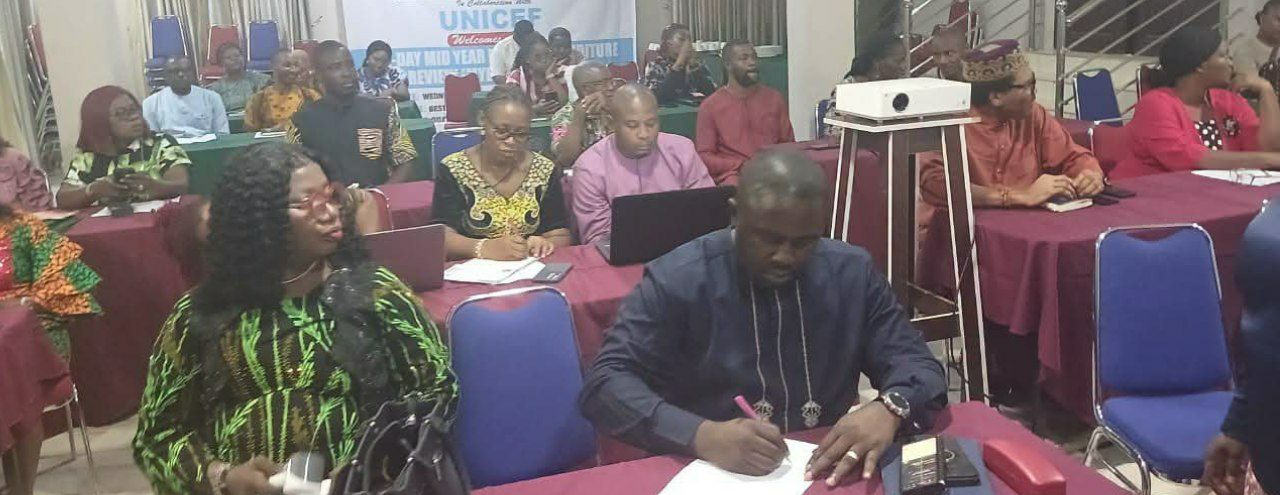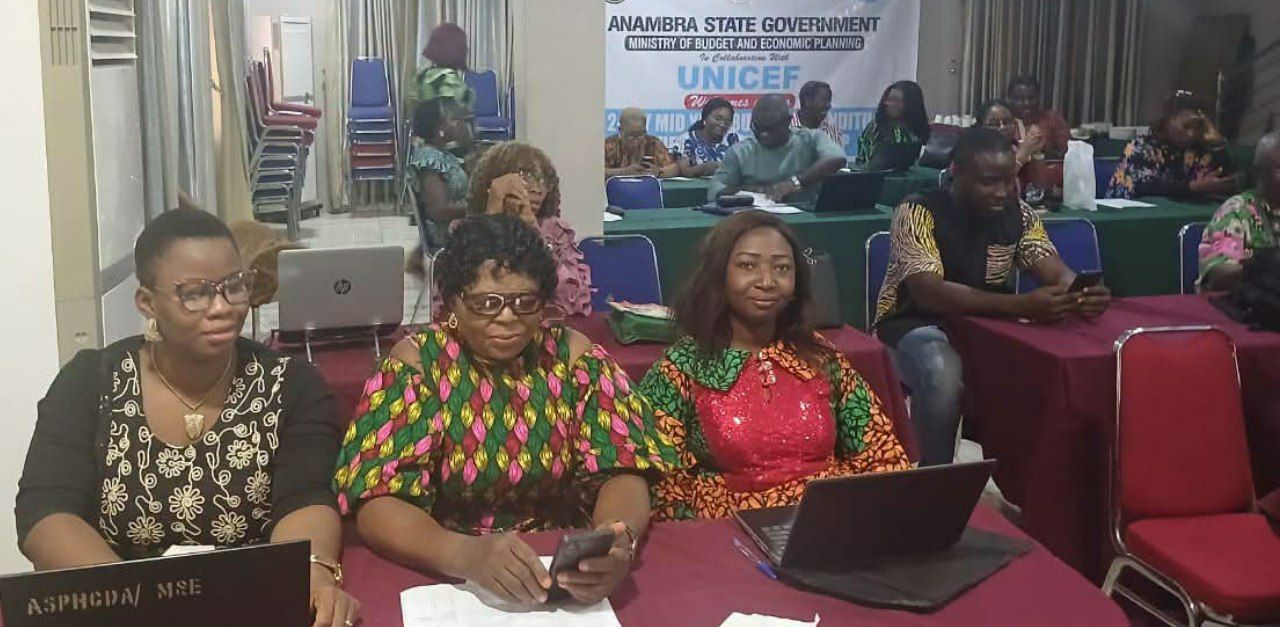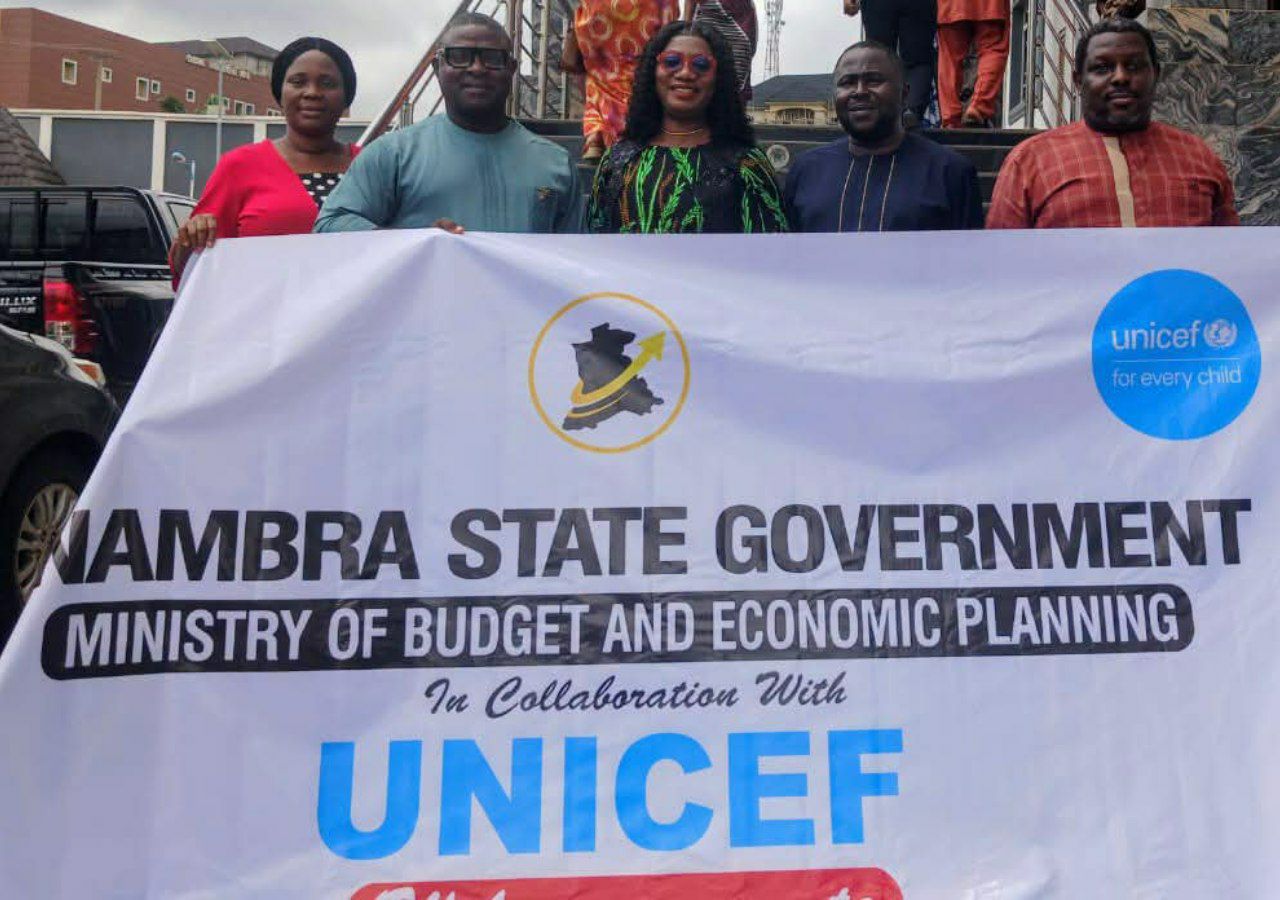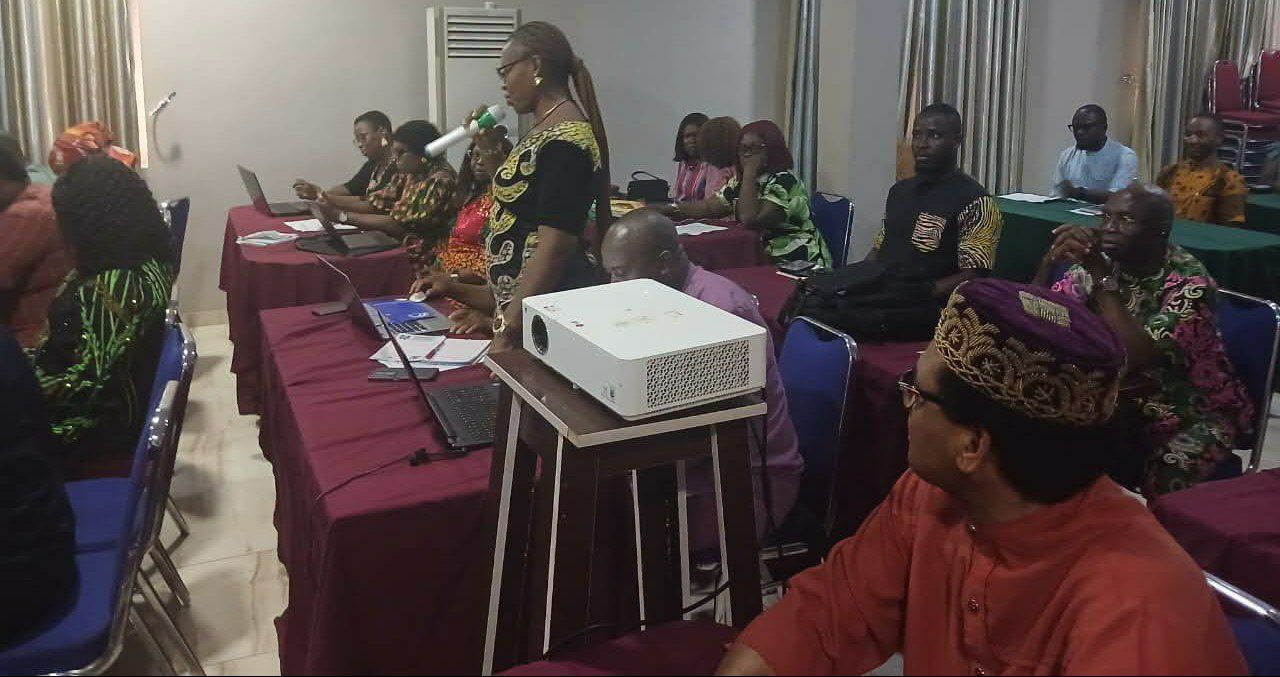
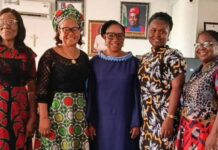

The Anambra State Government has called for a stronger link between budget planning, public spending and measurable results.
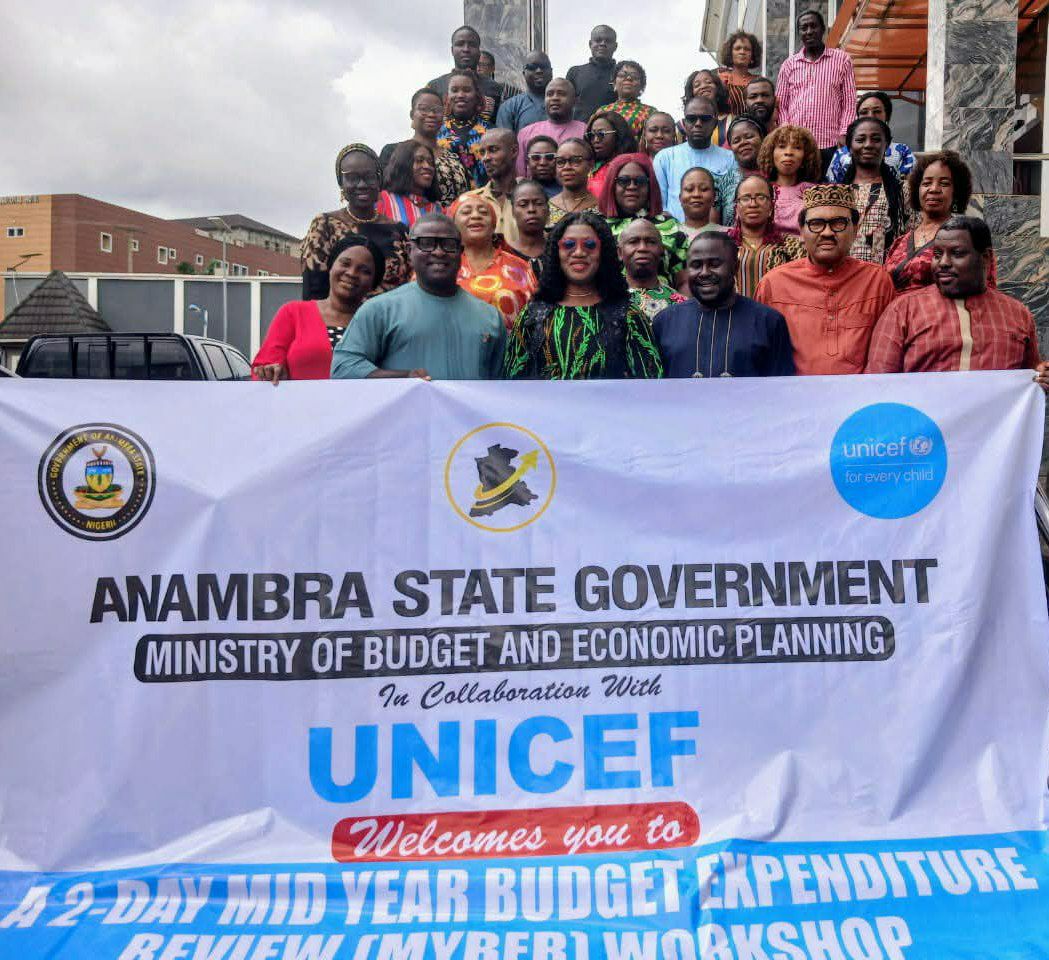
The Commissioner for Budget and Economic Planning, Mr. Chukwukadibia Okoye while speaking at a two-day Mid-Year Budget Expenditure Review Workshop for 2026 organised in collaboration with UNICEF in Awka, said the review would assess budget implementation.
Okoye maintained that the review will guide implementation during the remaining months. He described the budget as the legal framework for translating government vision into actual governance, noting that every government project and programme must be backed by the appropriation law.
He said the review will strengthen accountability and improve coordination across ministries, departments and agencies (MDAs), particularly among civil servants who are at the heart of implementing government policies and programmes.
According to the Commissioner, the exercise would also ensure that public funds are directed towards projects and programmes capable of producing visible and lasting benefits for communities across Anambra State before the end of the year.
The commissioner stressed that an approved budget only becomes meaningful when allocated resources are efficiently deployed to deliver programmes, projects and services that improve people’s lives. He urged MDAs to go beyond reporting how much they had spent and provide clear insight into what had been achieved, the challenges encountered and what would be done differently in the third and fourth quarters.
“The problem is not spending money. The problem is the impact of the spend,” Okoye said.
He stressed the importance of value for money, noting that every naira spent should contribute meaningfully to service delivery and improved outcomes for citizens.
The commissioner also called on MDAs to present accurate, evidence-based information and engage in solution-focused discussions. He maintained that the exercise should identify practical ways to improve budget implementation rather than serve as a routine reporting exercise.
Mr. Okoye acknowledged UNICEF for its partnership and support in strengthening the state’s planning, budgeting and public financial management processes, particularly in areas affecting children and vulnerable groups. He said lessons from the review would also be useful as the state prepares for the 2027 budget cycle, especially in determining priorities and identifying projects and programmes that should receive greater attention and resources.
In his address, the Permanent Secretary of the Ministry, Mrs. Chinyere Nwabachili, represented by the Director of Planning, Mrs. Edith Nwachukwu, said the review would enable the state to assess revenue performance, expenditure execution and progress on approved programmes and projects during the first half of 2026.
She said the workshop would help MDAs identify implementation gaps and challenges, strengthen accountability, update activities and keep resources aligned with government priorities and urged participants to provide evidence-based information, openly share implementation challenges and develop practical measures to accelerate delivery during the remaining months of the year.
In his remarks, the Chairman of Civil Society Organisations, Mr. Chris Azor, described the budget as one of the most important instruments of governance and expressed support for the review process. He noted that the exercise could help identify MDAs performing well and those requiring intervention, including the possibility of reordering resources where necessary.
Mr. Azor called for greater citizen participation in project monitoring and stronger attention to procurement, arguing that active citizen involvement would strengthen transparency and accountability in public spending. He maintained that a stronger partnership between government and civil society would help citizens better understand and participate in the development process.
He described the partnership as “co-creation” and said the reward for hard work should be more work.
Against this backdrop, the MDAs presented their mid-year budget expenditure reports, highlighting their financial performance, outputs achieved, implementation challenges and progress on approved programmes and projects.
The presentations provided an opportunity for the state to move beyond expenditure reporting towards a broader assessment of what was appropriated, what was spent, what was delivered and what impact was achieved, while identifying practical measures to improve implementation in the second half of the year.