





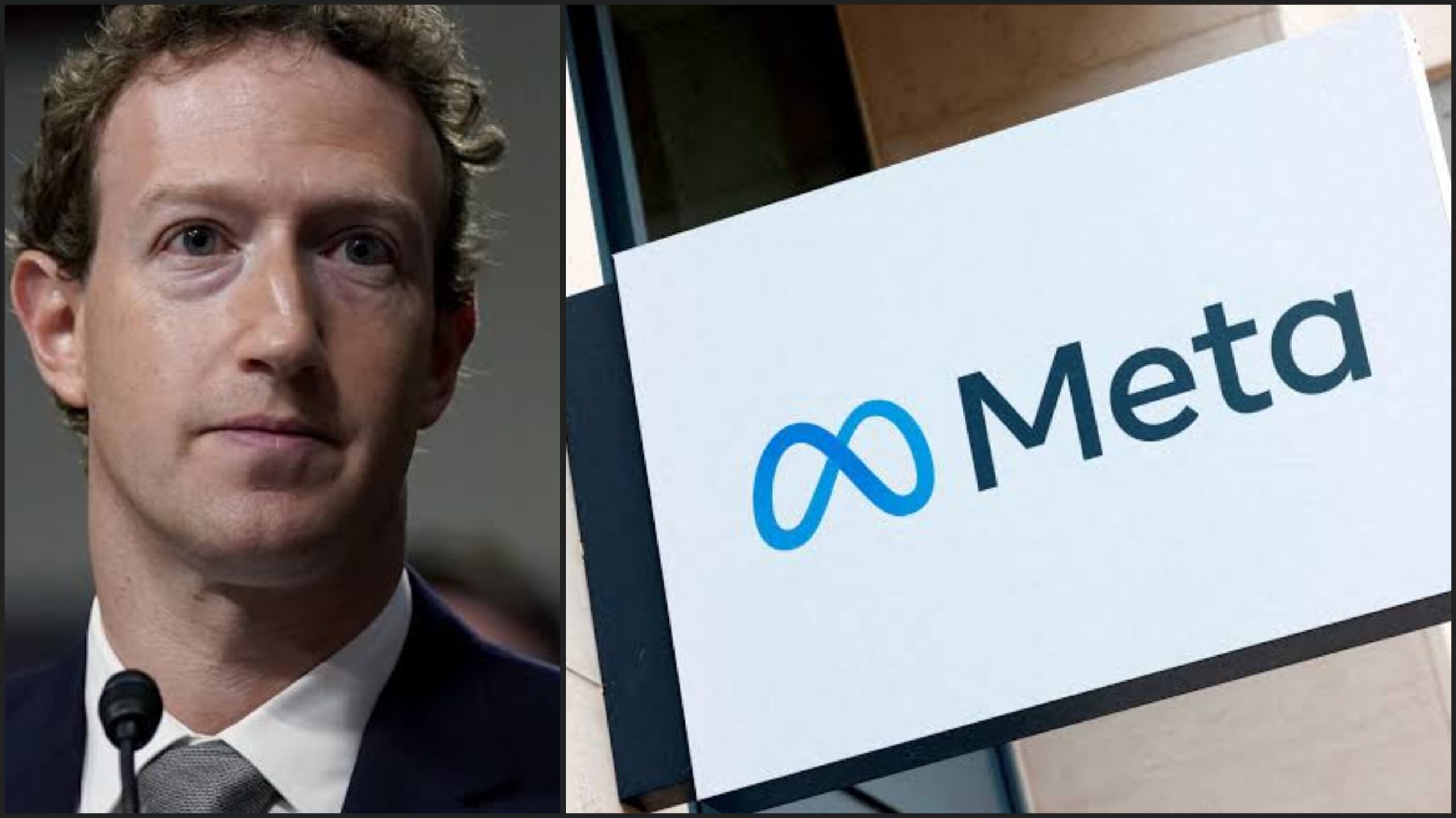
A US judge has ordered Meta Platforms to pay $25 billion after a jury found the company misled Facebook users in New Mexico about control of their personal data, marking the largest fine ever imposed on the tech giant.
New Mexico state District Judge Francis Mathew issued the ruling on Wednesday. A jury last month determined Meta was responsible for more than 43 million violations of the state’s consumer protection laws.
“Facebook promised users that they (the users) controlled their data. This was false,” Judge Mathew said.
New Mexico Attorney General Raul Torrez described the outcome as one of the largest state verdicts against a company in US history. “This judgement should be a signal, an unambiguous message, to Silicon Valley,” Torrez told a news conference.
All proceeds from the award will be placed in a fund supporting the state’s education system, he said.
New Mexico accused Meta of misleading users about who could access their personal information and how harmful content was managed on its platforms. Jurors found that 26 of 29 statements by the company and its leadership on privacy and content moderation were misleading.
Meta plans to appeal the decision. In a statement, the company’s chief legal officer, CJ Mahoney, said Meta was confident of success on appeal.
“This ruling, and the Attorney General’s approach to this enforcement, makes it all but impossible to do business in the state of New Mexico,” Mahoney said. “At its core, this lawsuit seeks to impose a tax on speech to enforce new rules for what people can say online.”
The lawsuit, filed in 2021, partly stemmed from the Cambridge Analytica scandal, in which a British political consulting firm obtained personal data from as many as 87 million Facebook users without consent and used it for targeted political advertising.
The case is the second major legal defeat for Meta in New Mexico this year. In March, a jury ordered the company to pay $375 million for misleading users about the safety of young people on Facebook, Instagram and WhatsApp. An additional $567 million payment into a state fund for teen mental health was later required.
