



When we were growing up, at a time when the police still carried those old bolt-action rifles rather than today’s ubiquitous AK-47s, extortion was already part of the system. However, it was practiced with a sense of shame. The exchange of money between drivers and officers was a coded, discreet affair; a casual observer could easily miss it. There was, at the very least, a consciousness that what they were doing was wrong, illegal, and meant to be hidden. It was shrouded in secrecy because it could not be openly justified. Those officers have long since retired. Today, the reverse is the case.
Checkpoints have degenerated into open-air marketplaces. Money is brazenly demanded with absolutely no attempt at concealment. Because each security agency appears to have fixed tariffs for different categories of vehicles, officers now essentially collect tolls, even offering change as if conducting a routine commercial transaction. It is a common sight to see drivers hand over large denominations and receive smaller notes in return, explicitly to facilitate smoother transactions at subsequent checkpoints down the road.
This phenomenon is no longer restricted to the police; virtually all security agencies have adopted the practice. Can the military high command seriously claim ignorance when many military checkpoints feature conspicuous civilians whose sole function is to collect cash on behalf of soldiers in uniform?
Anyone who has travelled on the Lagos–Benin Expressway knows the routine. Upon entering the highway, commuters encounter a relentless contingent of Customs checkpoints clustered within short distances of one another. Their primary activity is extracting cash from citizens. If this is genuinely about border security or contraband, why is this aggressive presence virtually non-existent on the return journey from Benin to Lagos? Do we have borders on those routes?
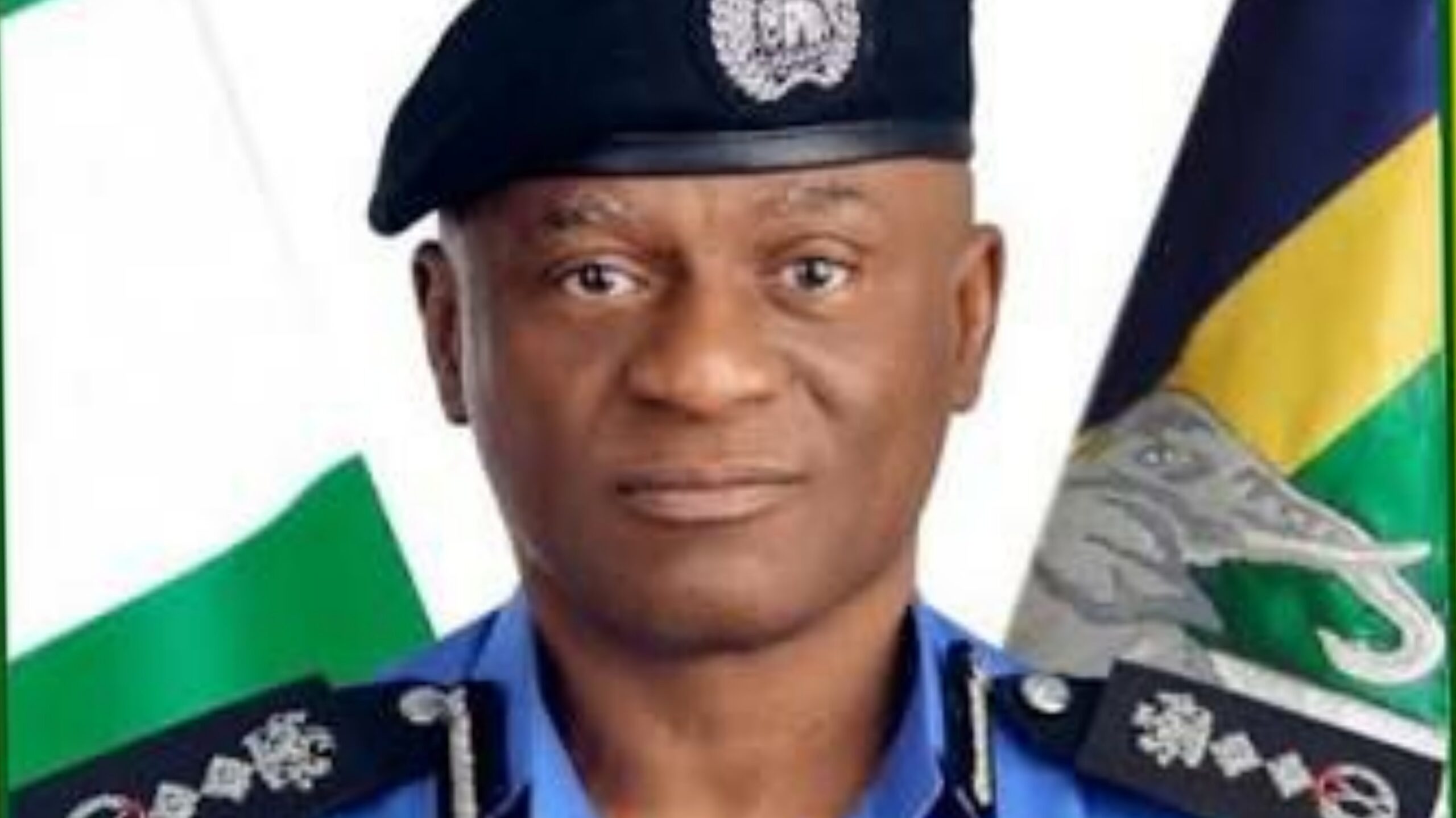
Recently, social media has been flooded with videos of the Rivers State Commissioner of Police touring checkpoints, issuing stern warnings, and shouting instructions. Having written extensively about the menace of checkpoints along the Owerri-Port Harcourt Road, arguably one of the worst and most congested stretches of highway in the country, I find these displays difficult to take seriously.
The speed with which these checkpoints multiply is astonishing. A driver can be stopped at one barrier while staring directly at the next one just a few metres ahead. Sometimes, up to ten checkpoints litter a single kilometre, all serving the exact same purpose: extortion.
Against this backdrop, the sudden theatricality of leadership was simply playing to the gallery. Is the Rivers State Commissioner suggesting that he was oblivious to these checkpoints before the Inspector-General’s recent directive? That is hard to swallow. What we are witnessing are merely cathartic reactions designed to create the illusion of action. They do not scratch the surface of the problem.
This crisis reveals a deeper, systemic degeneration within our national security architecture. In fact, the societal impact of this culture was the focus of my first doctoral research.
When young people routinely watch officers extort motorists with impunity, their worldview becomes warped. They begin to view enlistment in security institutions not as an opportunity for public service but as a golden ticket to participate in illicit gains. The mindset of future recruits is corrupted long before they even undergo basic training. This is precisely how systemic corruption reproduces itself across generations.
If your phone is stolen, you must pay the police to report the theft. If you notice a suspicious vehicle parked outside your house and report it, you are often expected to part with money before a statement is even taken. Consequently, citizens have largely abandoned reporting crimes. They have realised that pursuing justice through official channels is often more expensive than the losses inflicted by the criminals themselves.
Done now prefer to report at shrines.
If the government is genuinely interested in dismantling this culture of extortion, it is not by what the Commissioner of Police is doing, the blueprint is remarkably simple. It requires political will, not public relations.
A Direct Ultimatum: President Bola Tinubu must summon the heads of all security agencies and issue a clear, non-negotiable directive: “End all forms of highway extortion within two months.
Consequences at the Top: Continued tenure must be tied to measurable progress. If, at the end of the grace period, one or two service chiefs lose their jobs because of a lack of compliance, the message will reverberate instantly through the ranks.
The problem persists because those at the top face no consequences. And what of the President himself? As a leader who built his political identity on grassroots engagement, he cannot claim ignorance of what ordinary Nigerians endure daily. The suffering is too visible and the cries too loud.
Finally, we must address the disappointing silence of Nigerian drivers and their unions.We see glimpses of what is possible when Keke (tricycle) drivers rally. If a single Keke driver is involved in an incident, hundreds of their peers will immediately abandon their routes to stand in solidarity, completely shutting down traffic until the matter is resolved.
If commercial and private drivers possessed that same unity towards extortion, the system would break. The moment a driver is unjustly stopped for an extortionate toll, every vehicle behind them should switch off its engine in solidarity. Within minutes, major arteries would grind to a halt, forcing the authorities to act. Too often, we fail to recognise or deploy the immense power ordinary citizens possess when they choose to act collectively.
Until we move past dramatic inspections and senior officers shouting for the cameras, nothing will change. True reform requires a deliberate, systematic, and sustained overhaul of the institutional cultures that have allowed extortion to become an accepted way of life. Until that political will is found, Nigerians will continue to pay the price – one checkpoint at a time.
