





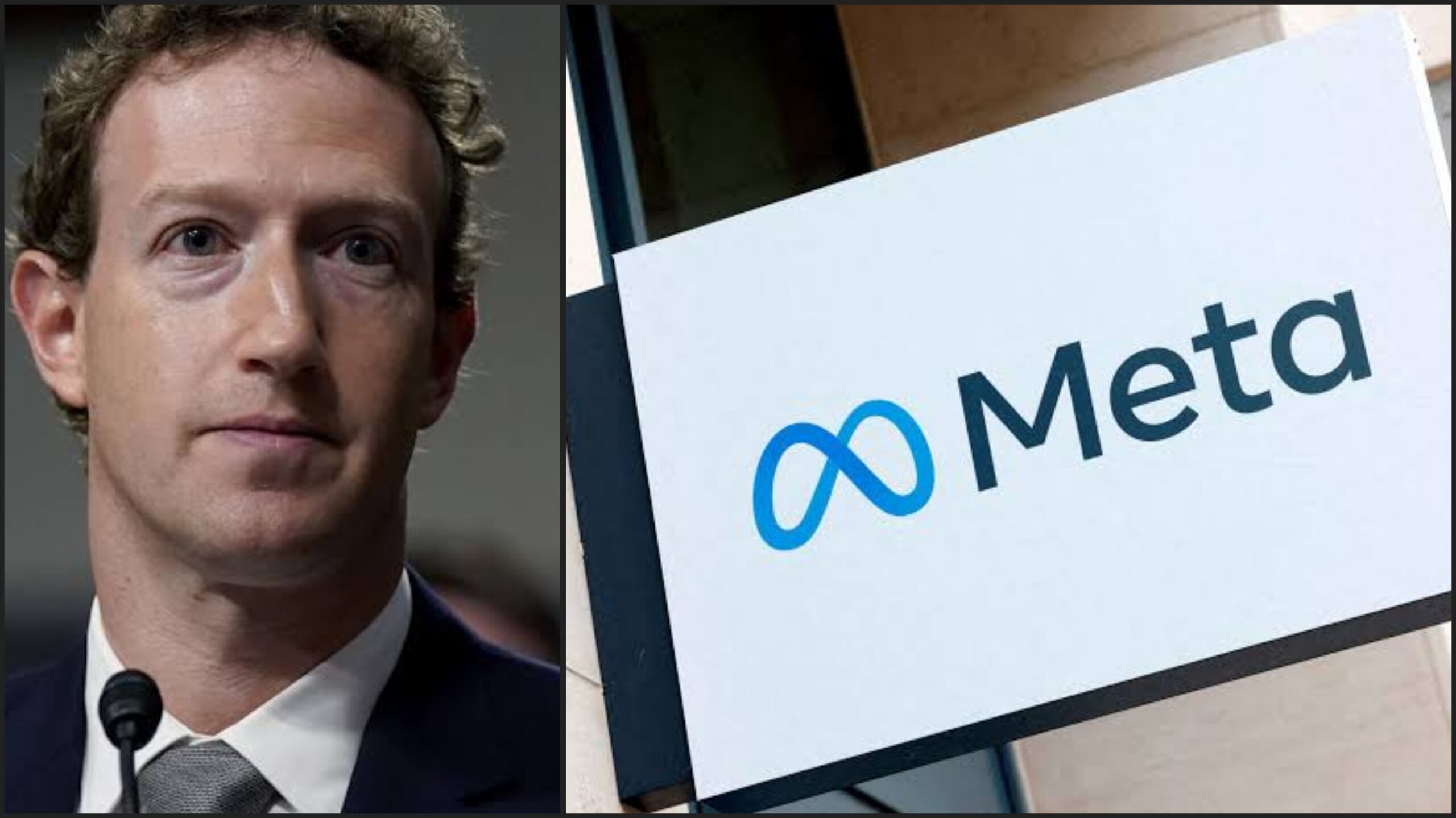
Meta Platforms will pay up to $18 billion over the next decade and impose strict limits on how teenagers use Facebook and Instagram under settlements with nearly all US states resolving claims that the company designed its platforms to addict children.
The accords, announced on Wednesday, end a federal trial over allegations that Meta’s products harmed young users and that the company misled the public about their safety. US District Judge Yvonne Gonzalez Rogers approved the main settlement late Wednesday, calling it “a good step forward.”
Under the deal, Meta will restrict teenagers’ use of Facebook and Instagram to two hours a day and block all access from midnight to 6 a.m. unless parents consent. Most push notifications to teenage users will be disabled during school hours of 8 a.m. to 3 p.m. The company will also strengthen measures to prevent children from seeing age-restricted content.
These time limits could be tightened if Snapchat, TikTok and YouTube adopt similar rules. Meta plans to publish an open letter urging those platforms to improve child protections.
Colorado Attorney General Phil Weiser said: “The focus of this case was to protect our kids. The relief we are getting in this settlement is very meaningful and well beyond what any court has ordered or is likely to order.”
Meta denied any wrongdoing. “Ensuring teens have a safe and productive experience on our platforms is an absolute imperative for Meta,” the company said in a blog post. “We want to get this right for parents and teens.”
The settlements include maximum payments of about $16.7 billion to 47 states, Washington D.C. and several territories, plus a separate Texas agreement worth more than $1 billion. Guaranteed payments total roughly $12.7 billion, with an additional $5 billion contingent on rival platforms adopting comparable safeguards. California could receive about $2.2 billion and New York $1.1 billion. Some states plan to direct funds toward children’s mental health programmes.
A further $459 million will resolve privacy claims linked to the Cambridge Analytica scandal.
The agreement does not require Meta to end personalised recommendations or targeted advertising, nor does it specifically address certain content Meta’s own researchers previously identified as problematic for body image.
Florida and New Mexico did not join the settlements. Florida Attorney General James Uthmeier described the payouts as “peanuts compared to the profound harms” and said the state would proceed to trial. New Mexico’s attorney general called the deal “real progress” while noting it omitted some safeguards secured in his state’s separate case.
Social media companies continue to face thousands of other lawsuits alleging they contributed to a youth mental health crisis. The Meta settlements are expected to influence how other platforms approach child safety measures.
