




Civil Society Organisations and Media Practitioners in Anambra State have called for greater public access to government procurement information, saying citizens must be able to scrutinise how public contracts are awarded and implemented.
The groups also want stronger institutional controls around public procurement, including the effective operation of the Council on Public Procurement and improved enforcement by the state Bureau of Public Procurement (BPP).
Their position was contained in a communiqué issued after a public procurement capacity-building programme organised under the Rule of Law and Anti-Corruption (RoLAC II) Programme, with the support of International IDEA.
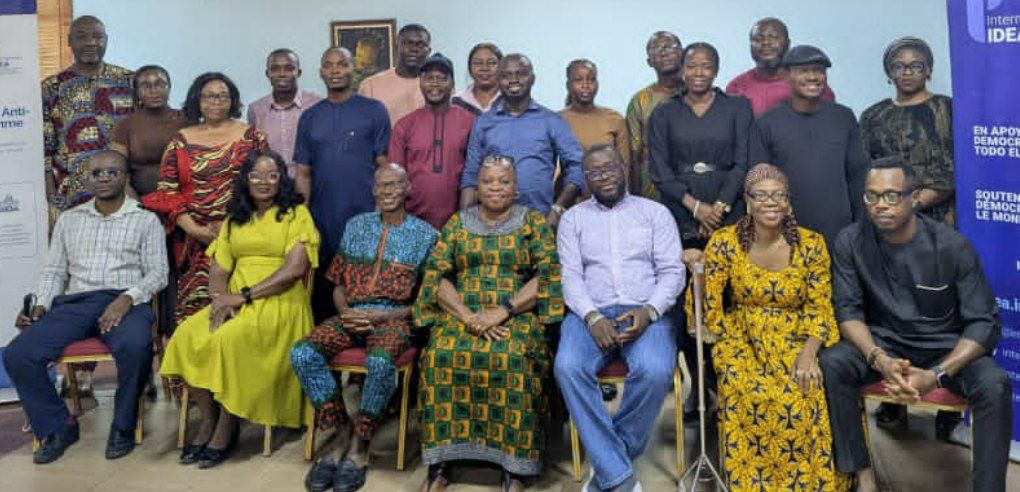
The training, held in Awka, brought together members of the CSOs/Media Accountability and Anti-Corruption Initiative, who examined the procurement process, regulatory responsibilities, approval thresholds and mechanisms for citizen oversight.
At the centre of their resolutions was a demand for the Anambra State Government to make procurement information readily available to the public.
The coalition said government Ministries, Departments and Agencies should publish procurement plans, tender notices, bidding opportunities and contract awards on the state’s e-Procurement Portal and other accessible platforms.
It said such disclosure would give citizens, journalists and civil society groups the opportunity to independently follow public contracts from the procurement stage through implementation.
The organisations also called for the proper constitution and resourcing of the Council on Public Procurement, saying the body should be empowered to provide strategic direction and effective oversight of procurement activities across the state.
They further urged Ministries, Departments, Agencies and Local Government authorities to remain within their approved procurement thresholds.
According to the coalition, compliance with the thresholds would help prevent institutional overreach, promote efficiency and ensure that procurement decisions remain subject to the appropriate regulatory checks.
The groups tasked the Anambra State Bureau of Public Procurement with a more robust regulatory role, including monitoring compliance, providing clear guidance to procuring entities and acting against established violations.
They also urged the State House of Assembly and Local Government Legislative Councils to intensify scrutiny of government contracts and projects to ensure that public spending conforms with approved budgets and procurement requirements.
Beyond government institutions, the coalition wants civil society organisations to have a formal role in monitoring procurement.
It called for CSOs to be recognised as observers in appropriate stages of the procurement process and given timely access to information needed to carry out independent oversight.
The groups argued that greater citizen involvement would strengthen confidence in the procurement system and help identify potential irregularities before they become entrenched.
They stressed that the state’s procurement law should translate into actual practice rather than remain a framework without effective enforcement.
The coalition consequently called on the state government, MDAs, LGAs and other procurement institutions to ensure that contracts are awarded through transparent, competitive and accountable processes.
It also urged authorities to investigate and appropriately address breaches of procurement laws and established procedures.
The participating organisations said they would step up monitoring of public procurement and government projects, while creating greater public awareness of citizens’ rights to access government information.
They also pledged to monitor the functionality of the Anambra e-Procurement Portal and use the media to promote informed public debate on government contracts and expenditure.
The coalition said it would continue engaging public institutions on procurement reforms and document procurement-related concerns for appropriate action.
It commended Dr. Josephine Onah, State Coordinator of the RoLAC II Programme, for facilitating the training, and Barr. Chukwuma Chinaka, who served as facilitator.
The organisations maintained that stronger procurement oversight, public disclosure, compliance with approved thresholds and independent citizen monitoring would help reduce corruption risks, improve value for money and strengthen confidence in the management of public resources.
The communiqué was endorsed by 17 civil society and media organisations participating in the initiative.
