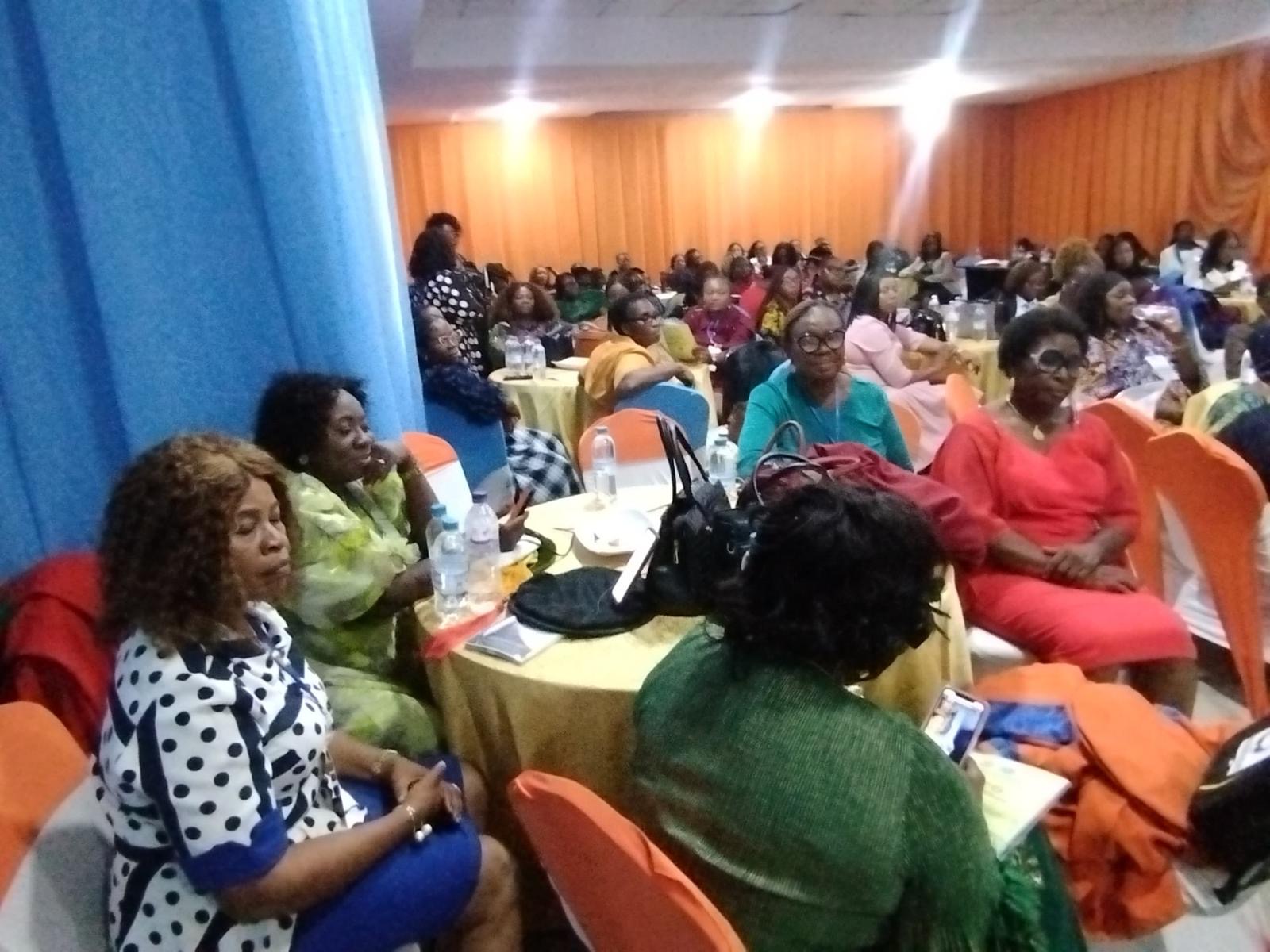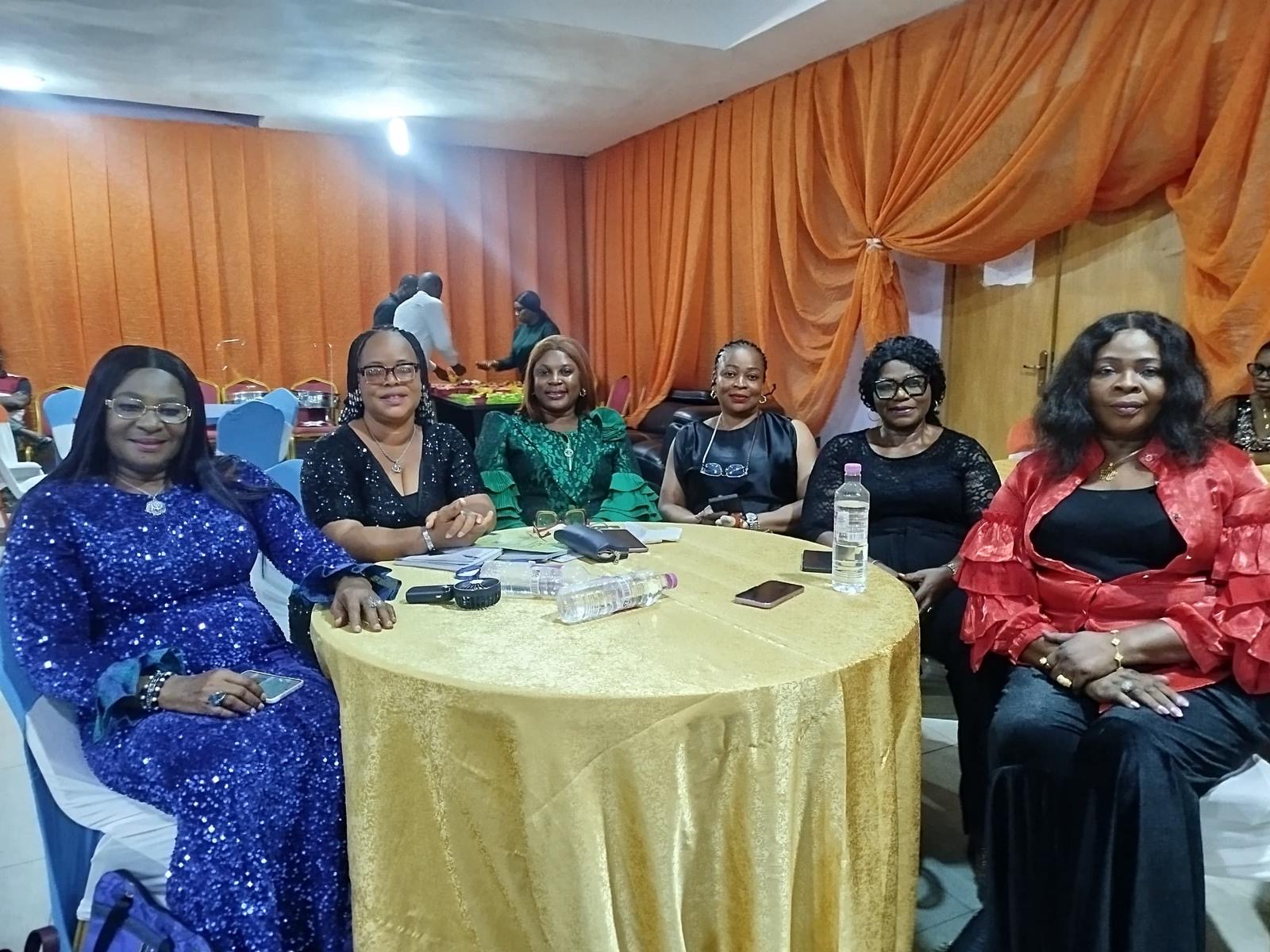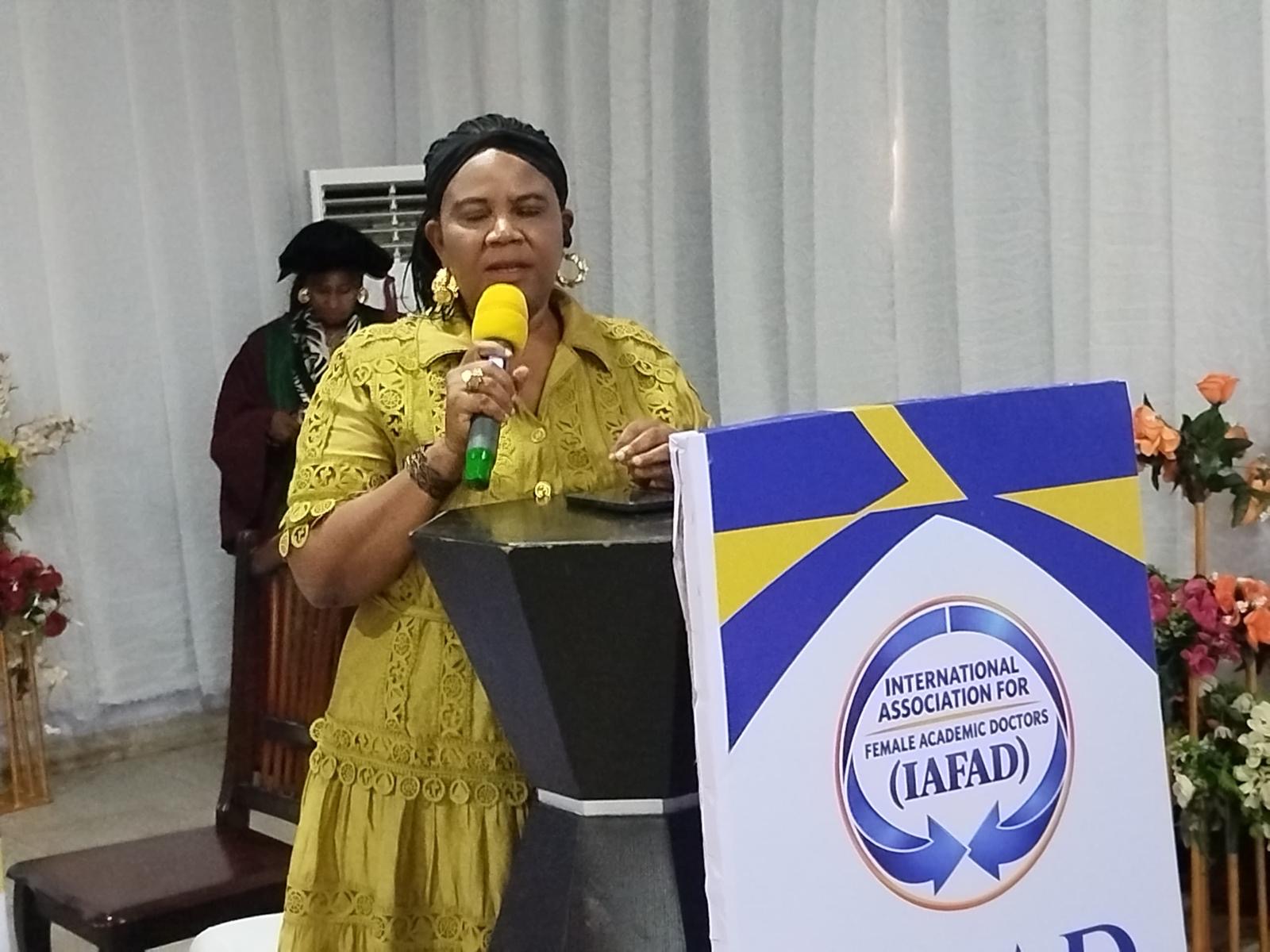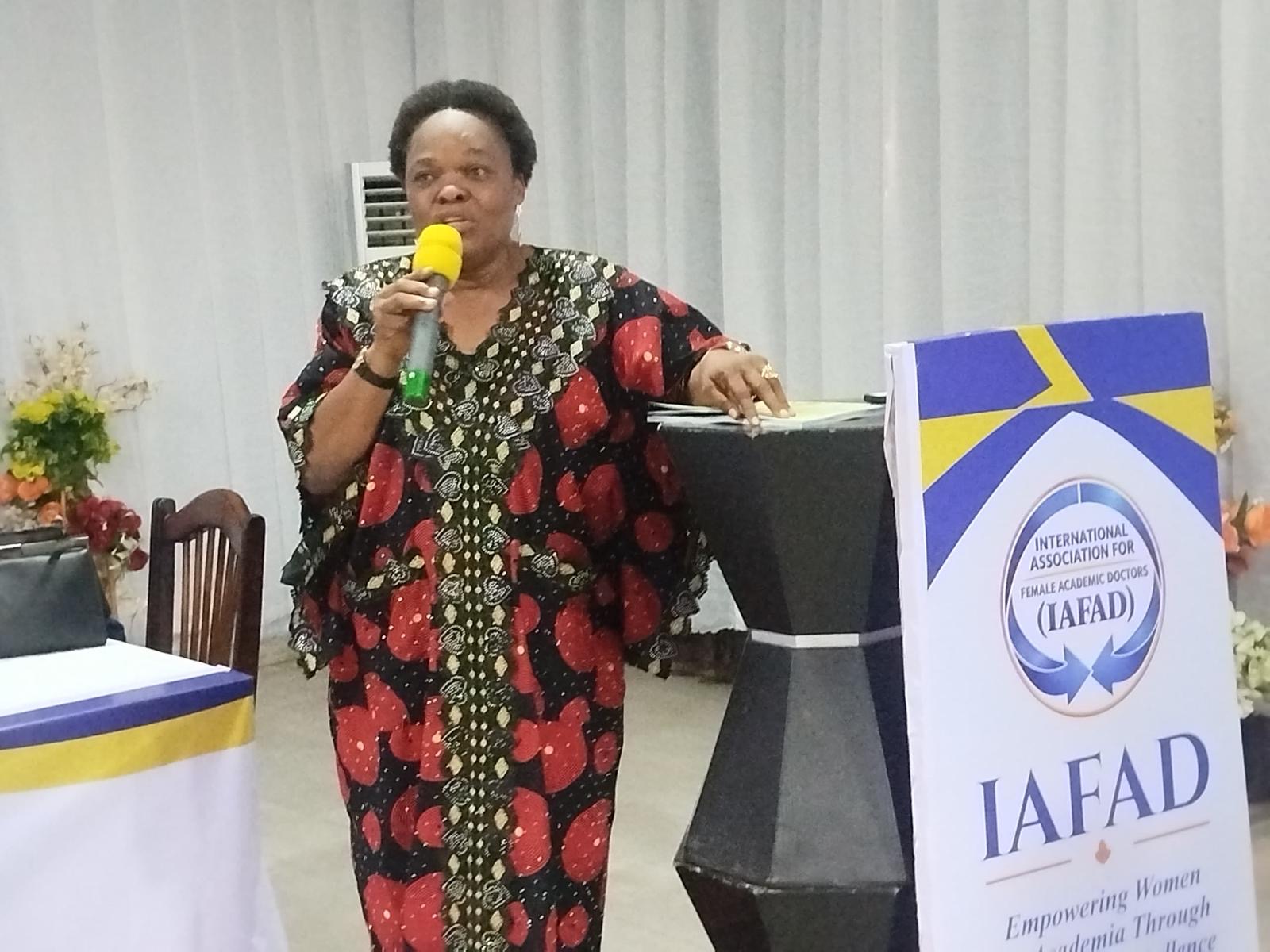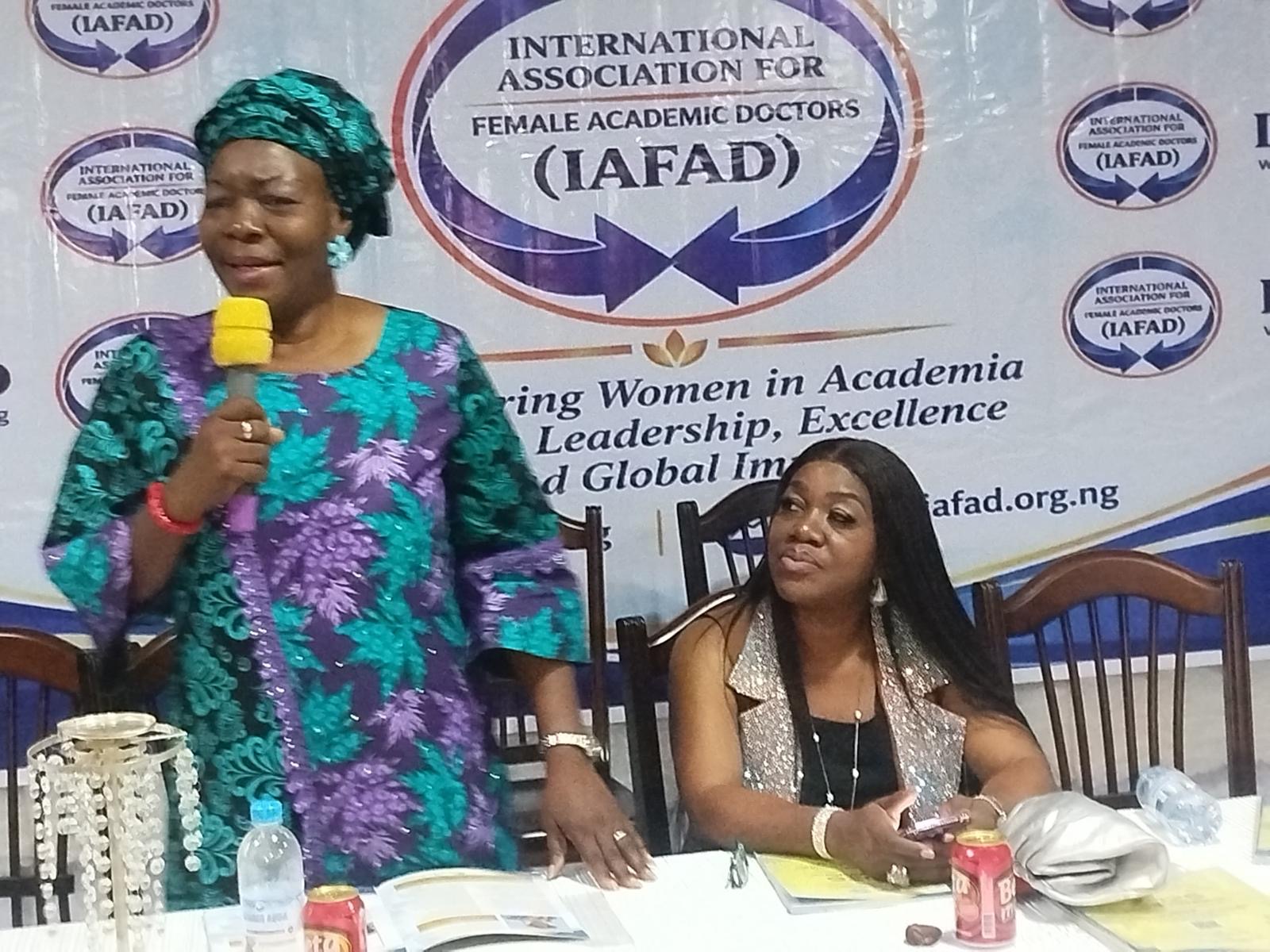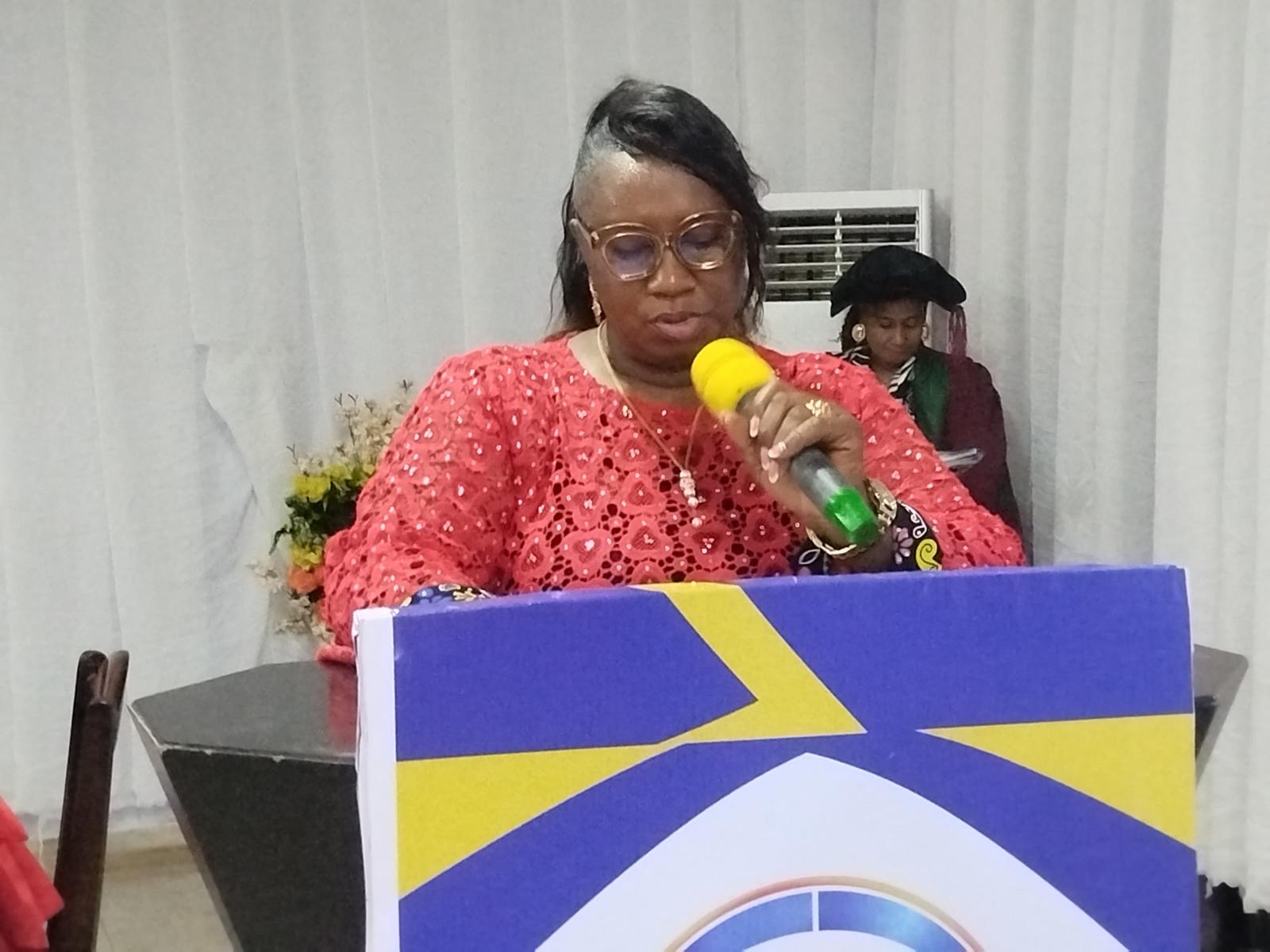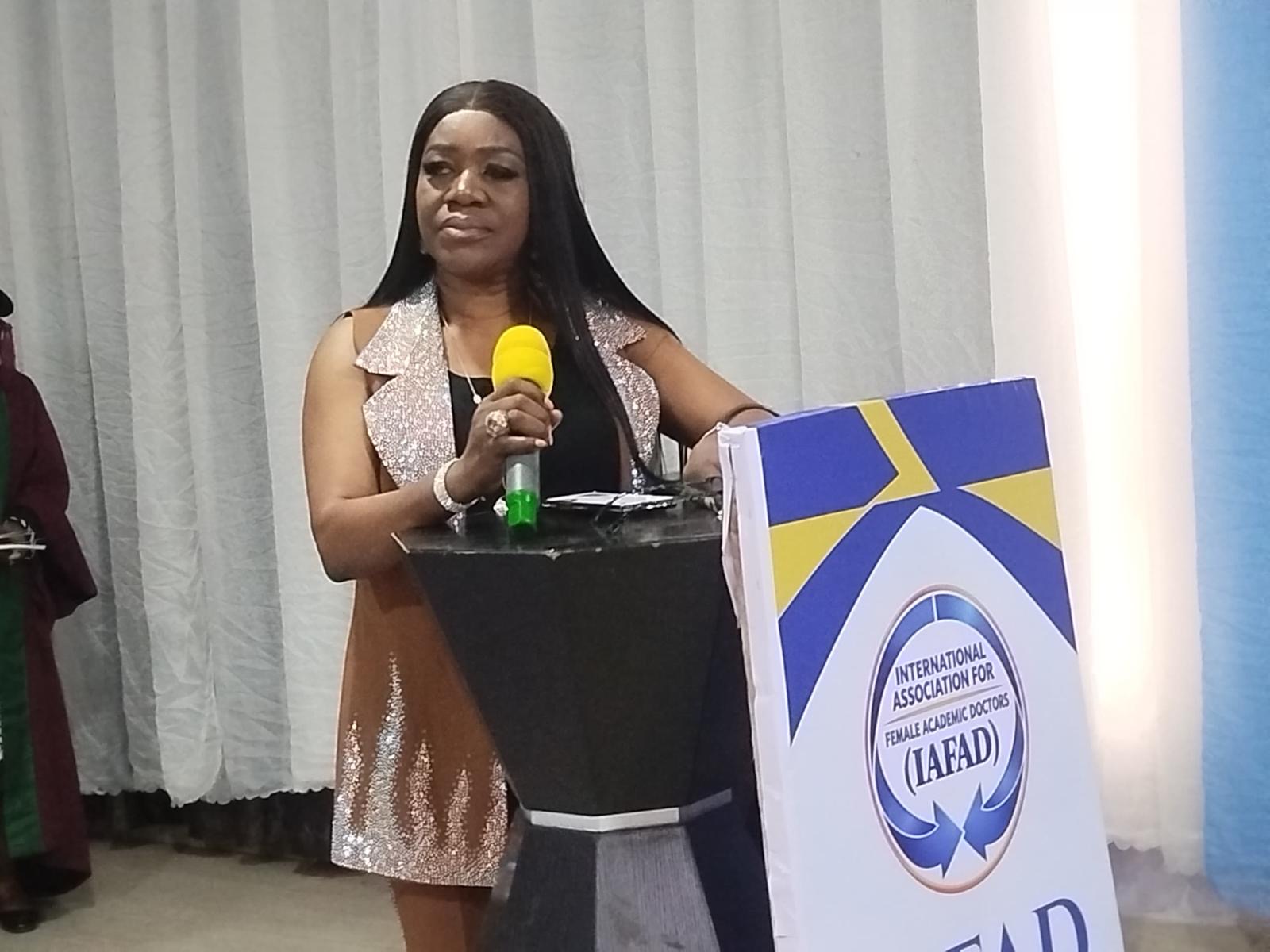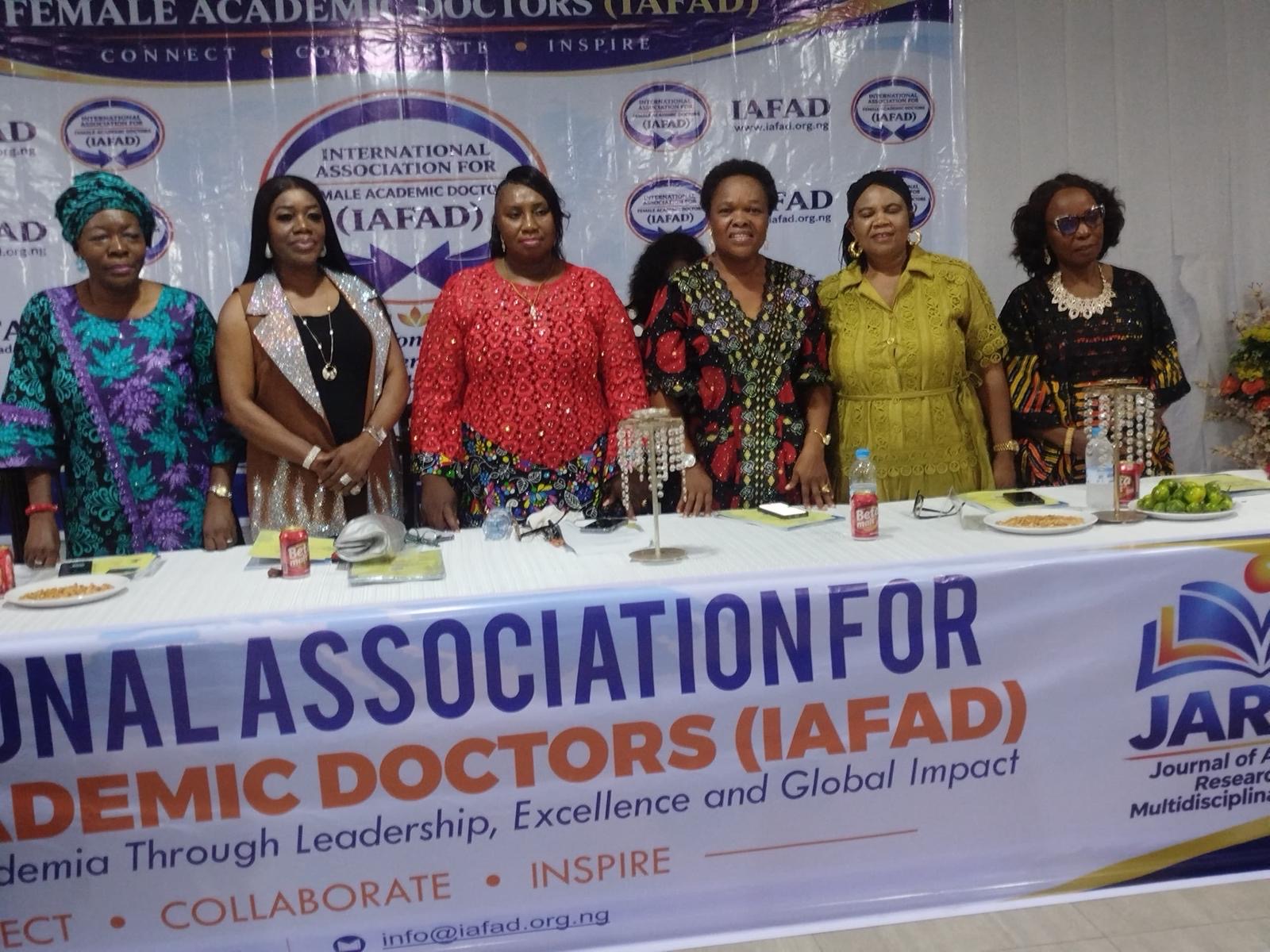




The International Conference organized by the International Association for Female Academic Doctors, IAFAD has ended with a call on female Academics to harness their talents and potentials to build a better, and a more prosperous Nigeria.
The conference held at the Golden Tulip Essentials, Owerri, Imo State Nigeria with the theme: “Nigeria’s Prospects for Growth and Development in the 21st Century: A Multi-Disciplinary Discourse of Policies and Practices” from Tuesday 27th to Friday 30th October, 2026.
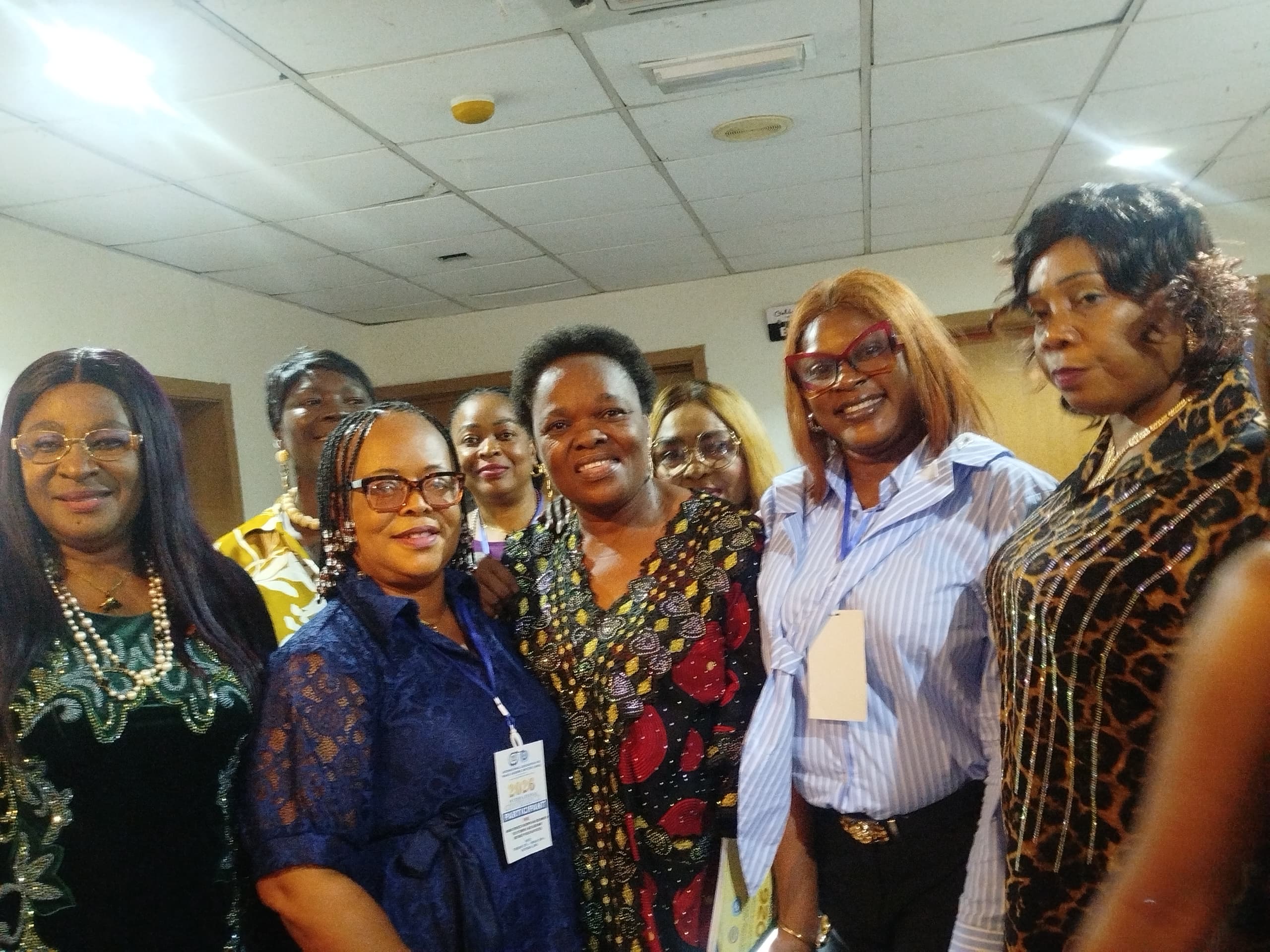
Dignitaries in attendance include: the traditional ruler of Ngor-Okpala, HRH Eze Nwosu; the Deputy Governor of Imo State, Lady Chinyere Ekomaru, represented by the Permanent Secretary, Office of the Deputy Governor, Mr. John Njoku; the Rector, Federal Polytechnic, Nekede, Dr. Basilia Igbokwe, and Prof. Florence Emenalo of the Faculty of Education, Imo State University, among others.
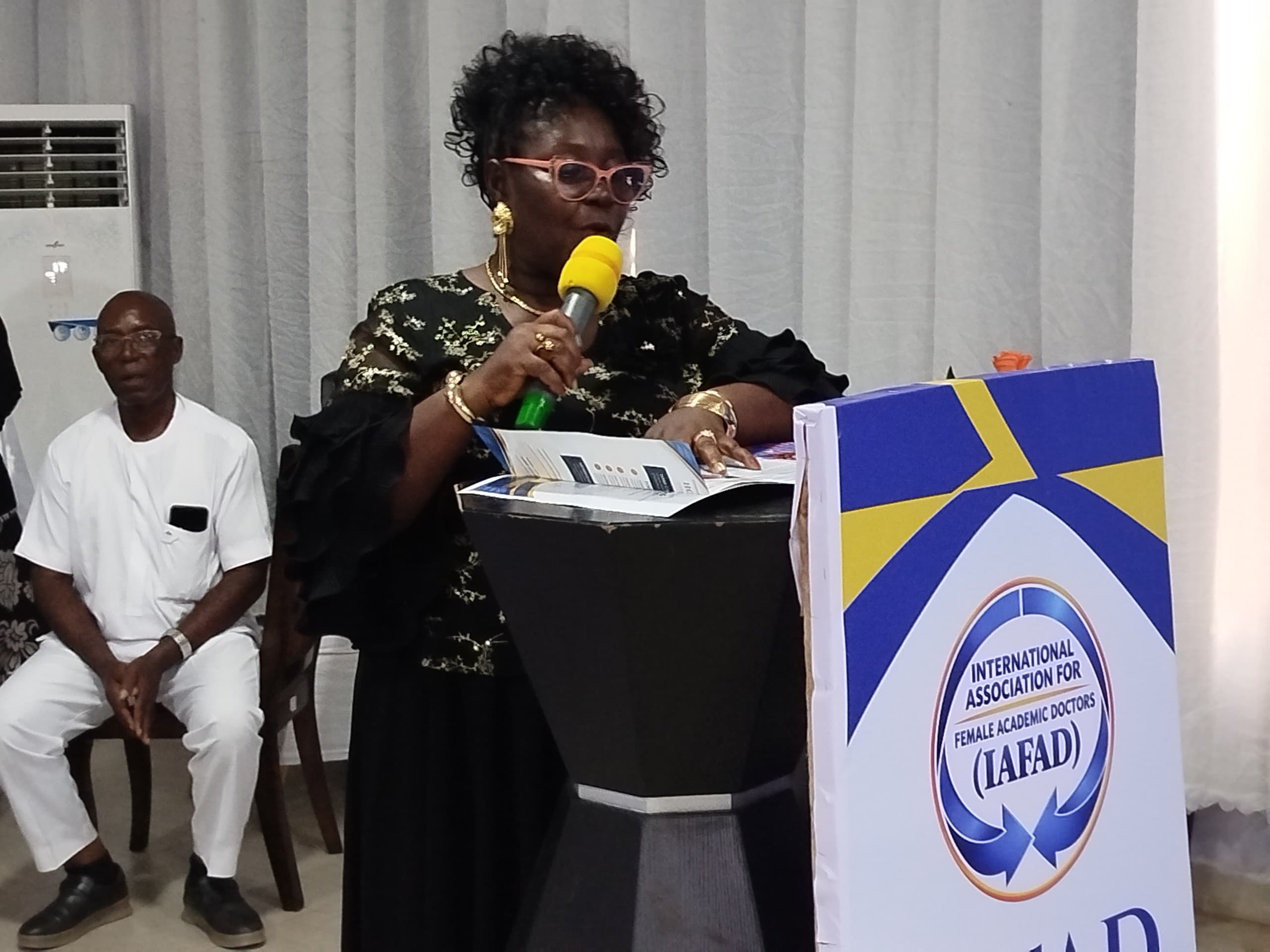
Speaking, the Founder, IAFAD, Dr. Henrietta OKORO stated that the association in collaboration with the World Association for Academic Doctors, WAAD aims to advance academic excellence among women through research, mentorship, professional development, international collaboration, scholarly publications, and community outreach.
Dr. Okoro who is a Professor of Computer Information Systems, Colorado Technical University, USA also noted that IAFAD, which was founded in 2019 is geared towards uniting, empowering, and celebrating accomplished women in academia with a vision to extend beyond academic achievements to build meaningful partnerships, mentoring emerging scholars, and applying knowledge to address societal challenges.
In her opening remark, the Chairman of the occasion, Prof. Lucy Apakama commended the Founder of IAFAD, Dr. Henrietta Okoro for her vision in forming the association which she described as a one-step-ahead association.
Prof. Apakama who is a Professor of Igbo Cultural Life and Anthropology, Alvan Ikoku Federal University of Education, Owerri, Imo State, Nigeria noted that the theme of the conference and the sub-themes speak to the current challenges facing Nigeria, including leadership, religion, security, education, and employability of the nation’s graduates, calling on the participants to leverage the network and mentorship opportunities in the conference.
Welcoming the participants, the International President of IAFAD, Dr. Genevieve Ariguzo described the conference as a platform for intellectual exchange, knowledge creation, networking, and advancement of Nigeria’s development, urging members to move beyond armchair research to embrace relevant, innovative, and evidence-based research that can contribute to the development of Nigeria, Africa, and the global community.
Presenting the Keynote speech, Prof. Nkechinyere Nwokoye from Nnamdi Azikiwe University, Awka noted that Nigeria’s prospects are high, but good governance, strong institutional support, consistent policies, and effective implementation are needed to turnaround the fortunes of the nation to prosperity.
Prof. Nwokoye explained that investment in infrastructure, human capital, security, inclusion, and employment are essential ingredients for facilitating Nigeria’s growth in this 21st century, adding that economic growth alone is not enough to achieve national growth.
According to her, key challenges to national growth include corruption and weak infrastructure; low agricultural productivity; insecurity; political instability; poverty; inequality and unemployment; environmental degradation; policy inconsistency; and inadequate funding for education.
“Education builds the knowledge, skills, values, and competencies needed for productivity, social inclusion, and responsible citizenship”, she concluded.
Also speaking, the Lead Paper Presenter, Prof. Obianuju Oku observed that the Nigerian education access has expanded, but gaps in funding, equity, and poor policy implementation persist, stressing that persistent challenges to national growth include underfunding, poor quality assurance, low curriculum relevance, weak monitoring and evaluation, weak stakeholder participation, corruption, and poor accountability.
Prof. Oku who is from the Faculty of Education, Imo State University, Owerri said that weak policy and poor planning have cost Nigeria a huge decline in human-capital quality, widening educational inequality, rising unemployment and poverty, and reduced economic and social development.
She pointed out the strategies for repositioning the system should include evidence-based policy and implementation; reliable planning and equitable resource allocation; strong educational leadership and management; adequate funding and financial accountability; teacher quality and professional development; digital technology and artificial intelligence; monitoring, evaluation, and quality assurance; equity, inclusion, and access, among others.
Continuing, Prof. Oku maintained that achieving Nigeria’s prospects for growth and development in the 21st century requires multidisciplinary and multi-sectoral participation through critically stakeholder engagement, including federal, state, and local governments; educational administrators; teachers; parents; communities; and traditional rulers.
Delivering a vote of thanks, the Local Organising Committee Chairman, Dr. Princess Obilo appealed to the participants to translate the knowledge they acquired into meaningful actions, research, partnership and contribution to society.
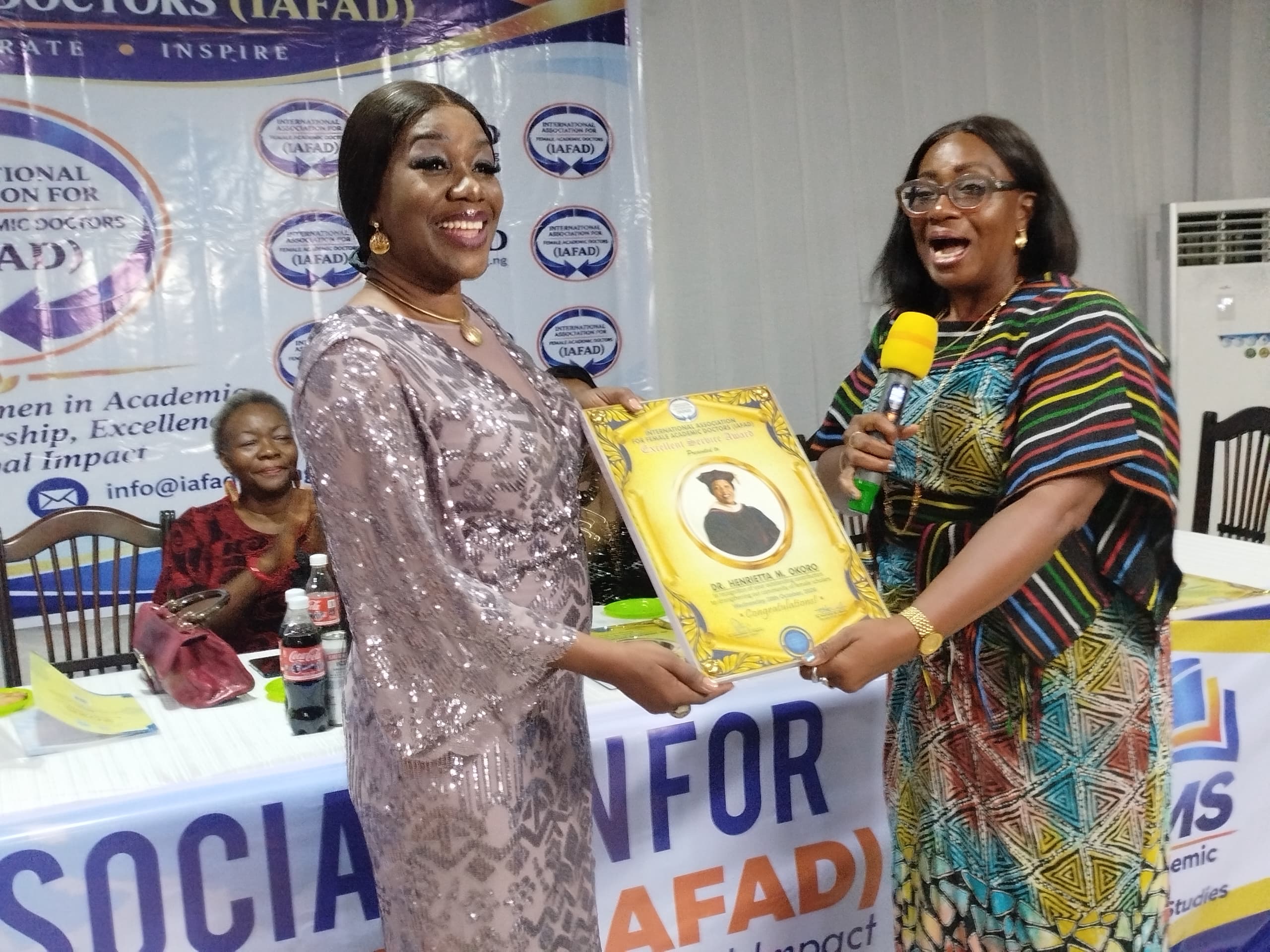
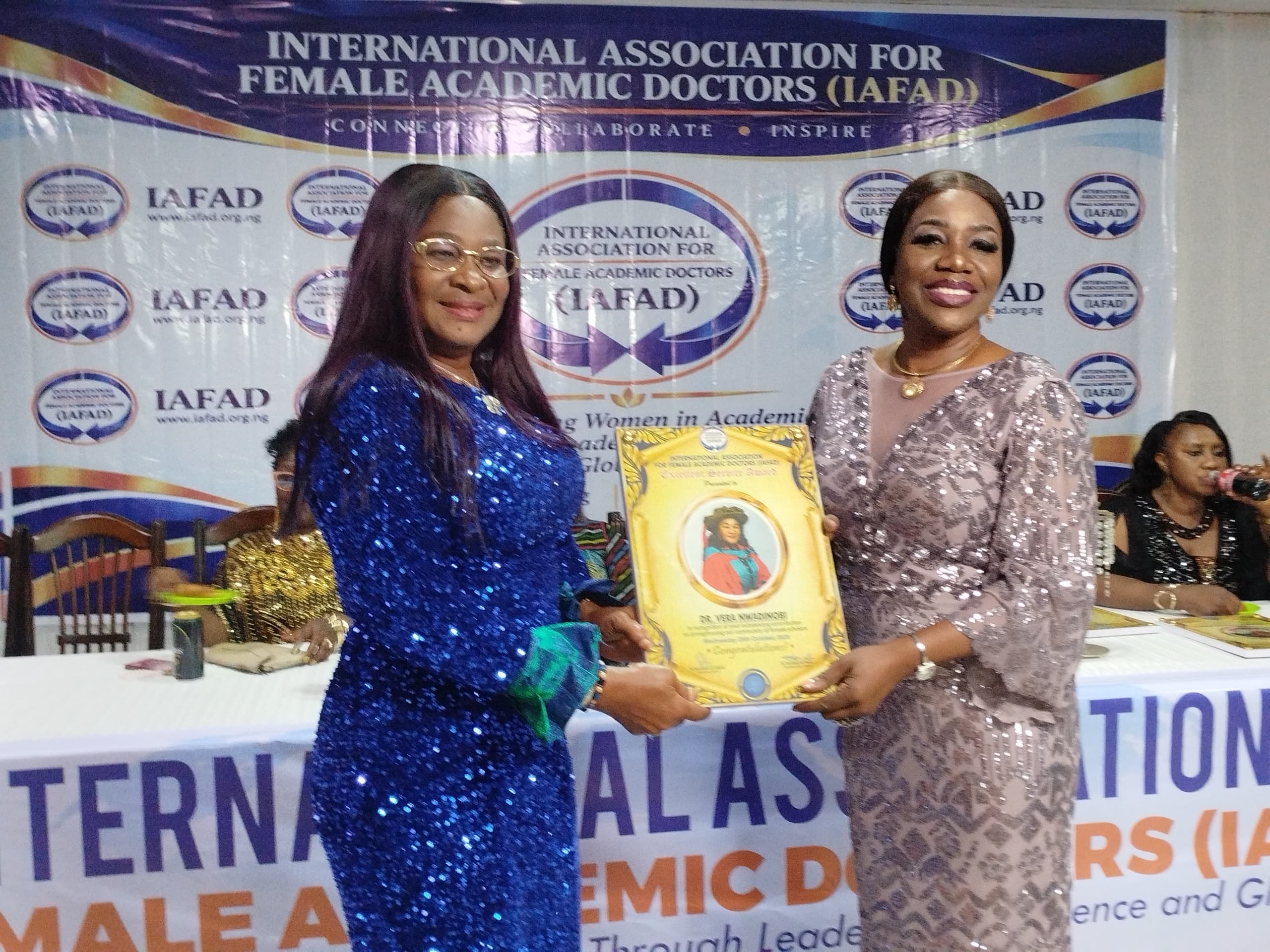
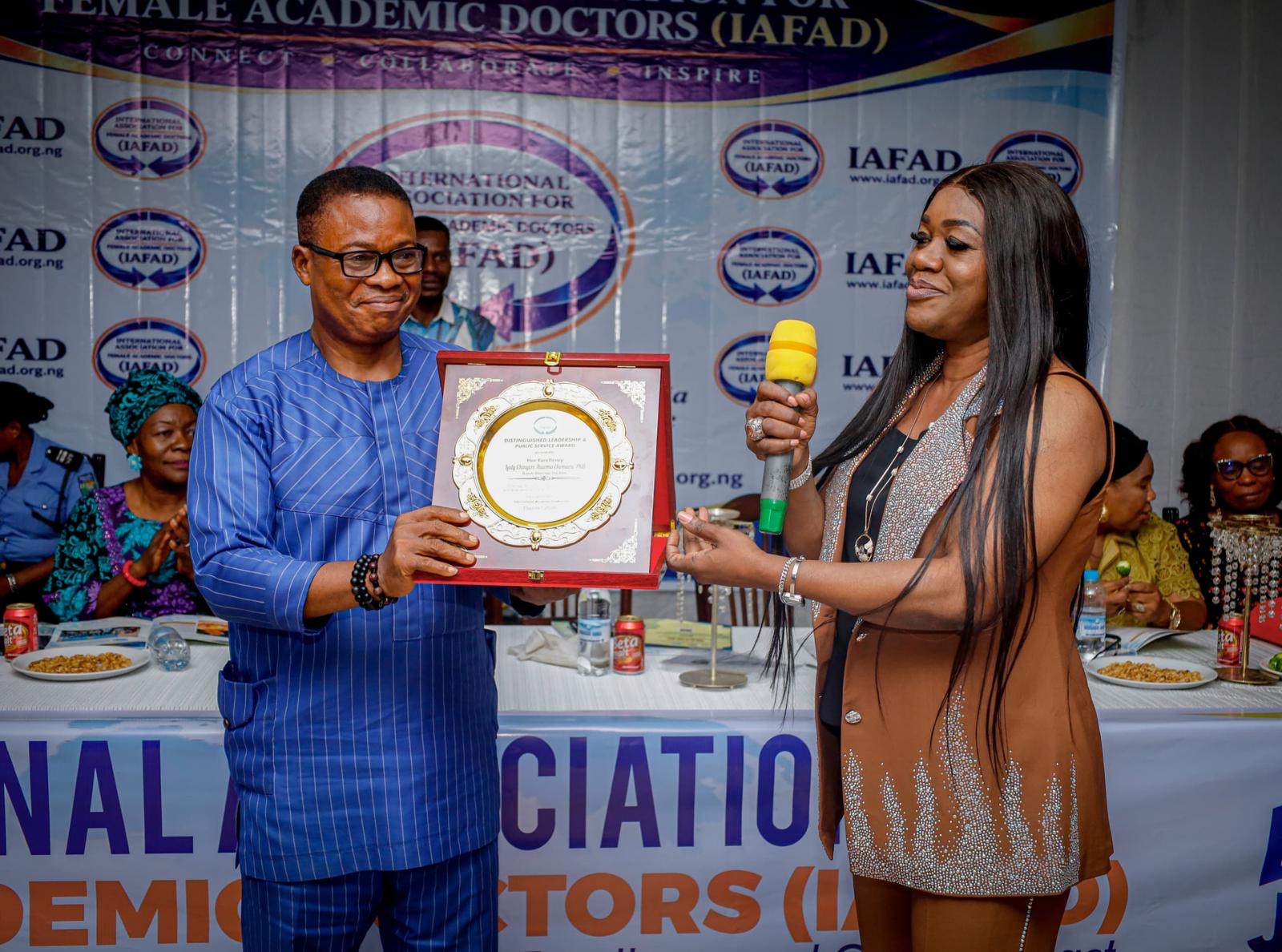
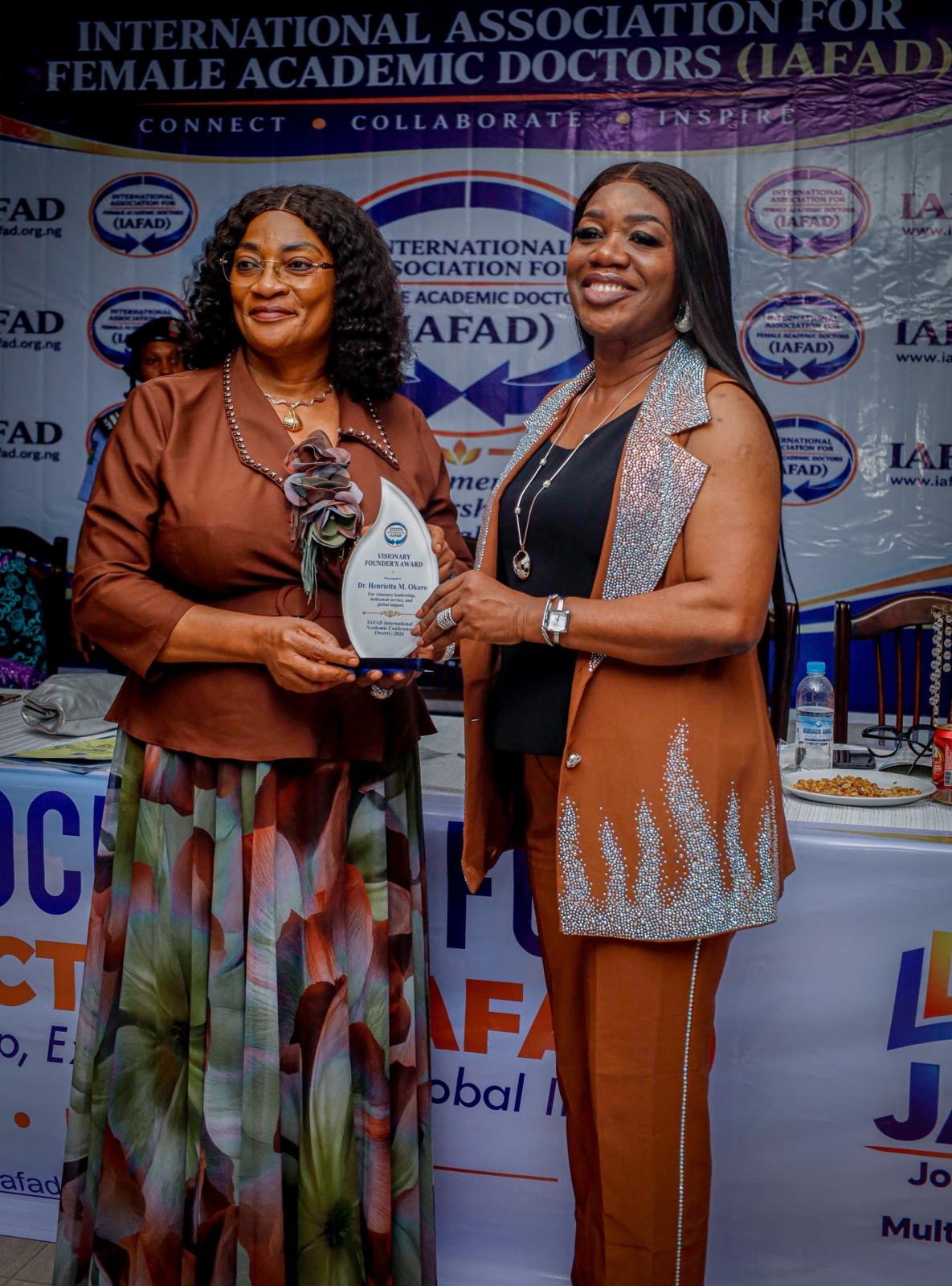
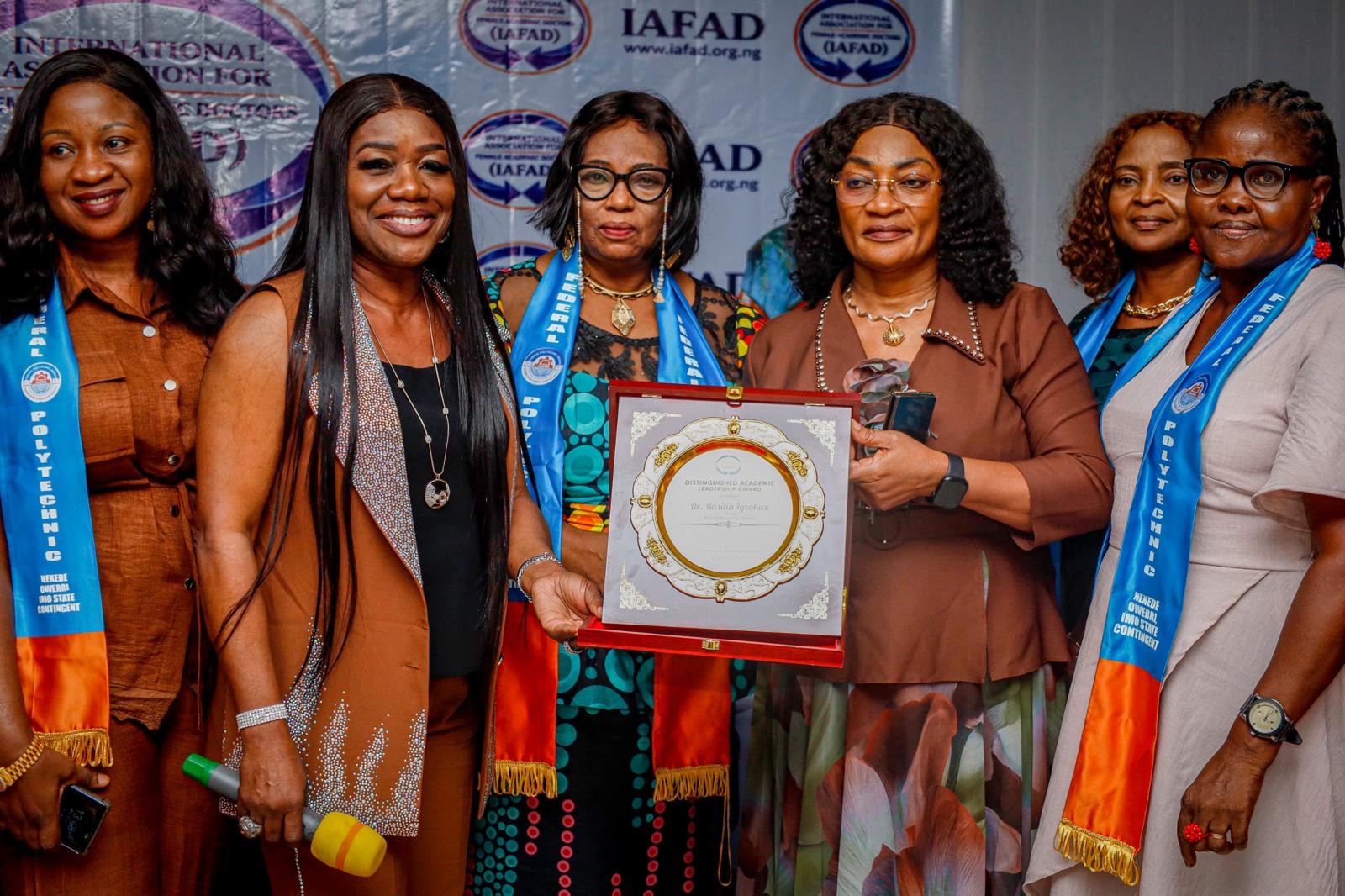
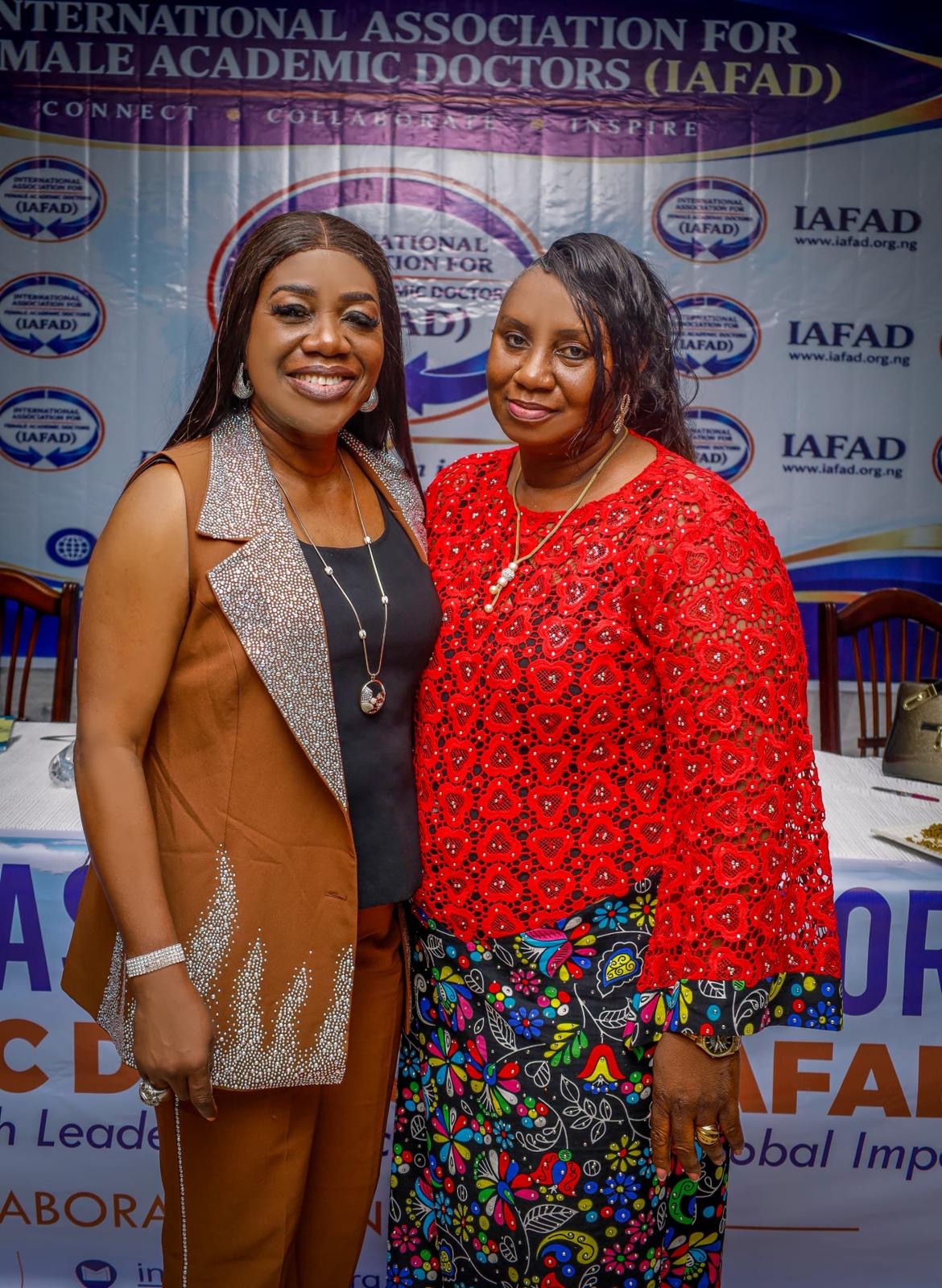
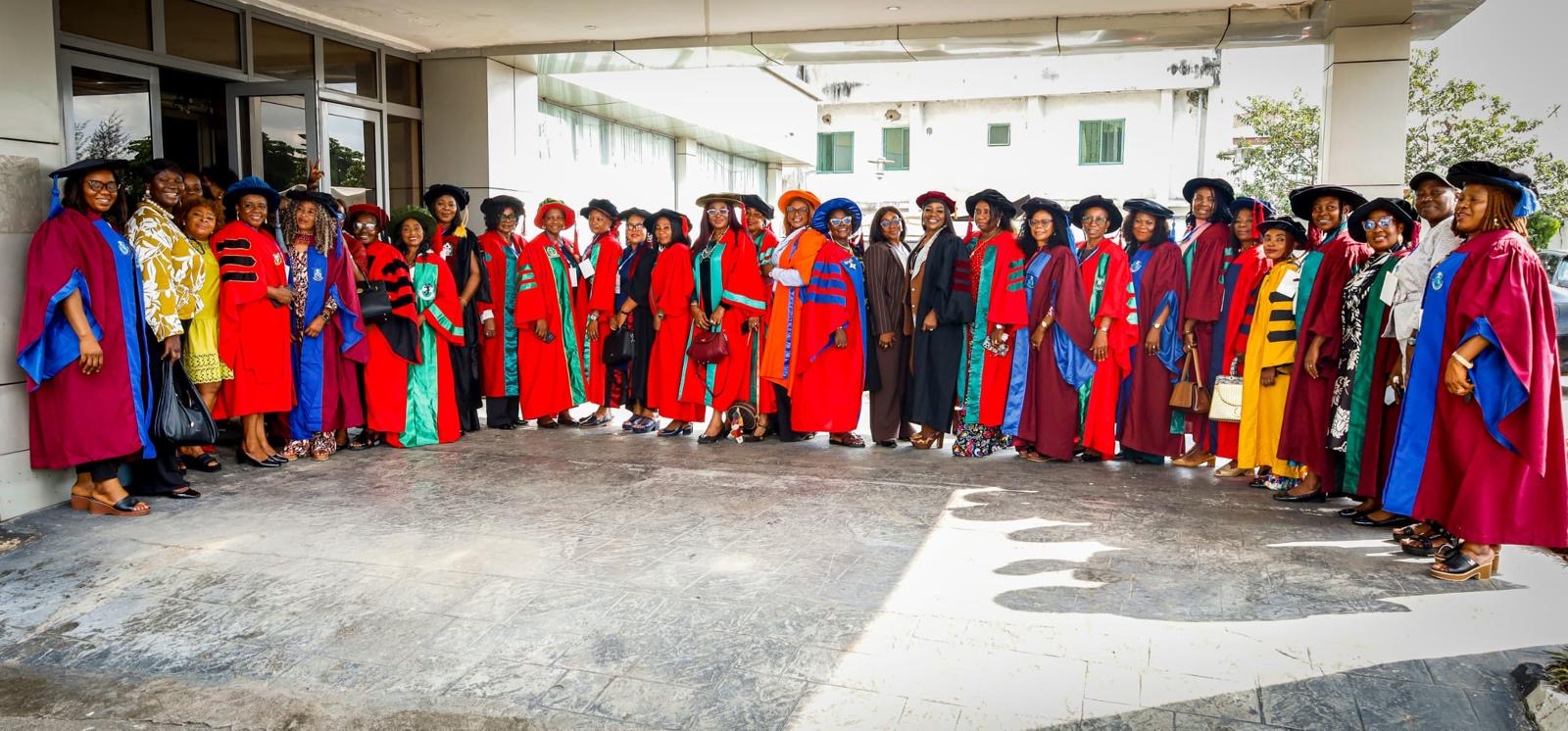
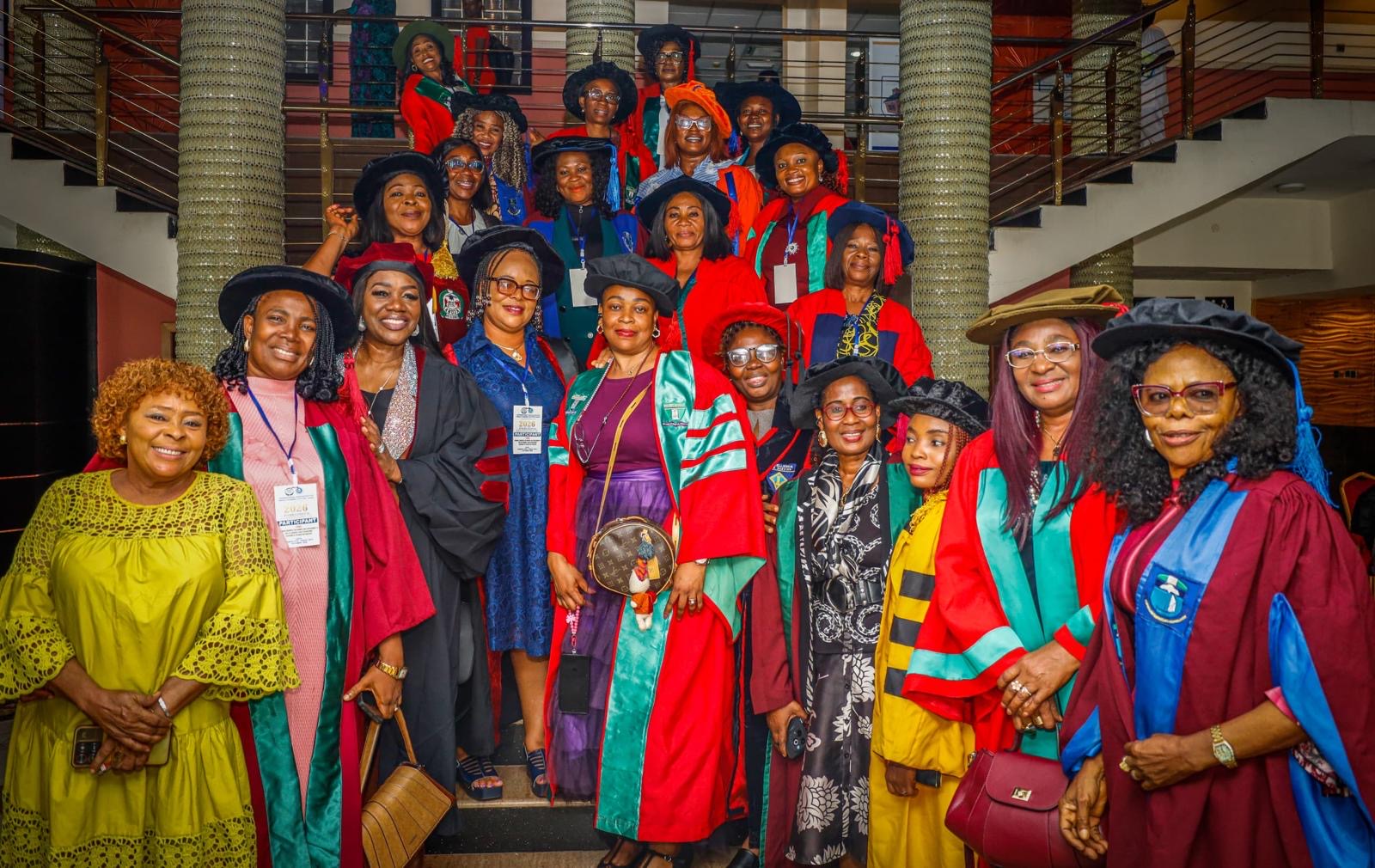
Highlights of the event were academic procession by the conferees, awards and recognitions to distinguished and outstanding individuals for their extraordinary roles in the society, IAFAD, and among women in general. Gala night added a social dimension to the conference, while a robust plenary session featured with the closing ceremony on the last day.