

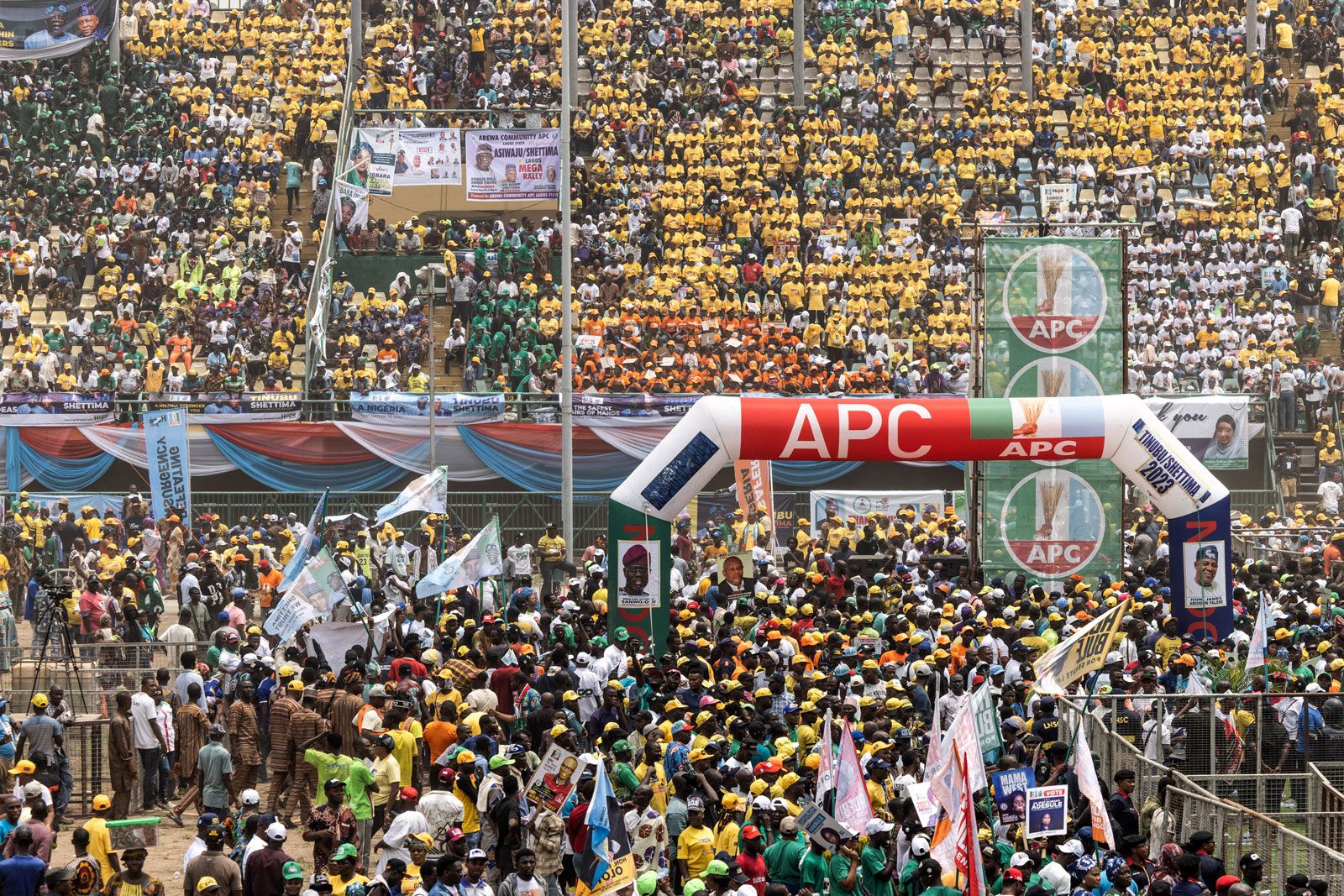
All Progressives Congress (APC) has generated ₦4.45 billion from the sale of nomination forms to just two presidential aspirants and 83 governorship aspirants ahead of the 2027 general elections.
According to party sources, the two presidential aspirants — President Bola Tinubu and Stanley Osifo — paid a combined ₦200 million, while the 83 governorship aspirants across 28 states contributed over ₦4.25 billion.
The figures were released as the APC continues its primary process this month, following an extension of the deadline for the sale and submission of nomination forms.
Several first-term governors are among the aspirants seeking re-election, including Umo Bassey Eno (Akwa Ibom), Bassey Otu (Cross River), Sheriff Oborevwori (Delta), Peter Mbah (Enugu), and others in states such as Jigawa, Kaduna, Kano, Katsina, Kebbi, Niger, Sokoto and Zamfara.
Despite speculation that some governors would receive automatic tickets through consensus, fierce competition has emerged in states like Kwara (15 aspirants), Adamawa (8) and Oyo (6).
A governorship aspirant in Benue State, Mathias Byuan, said: “The governor and I will test the ground. If he is popular, let him win. If I am popular, I will win. Mr. President has said people should go and test their popularity.”bfdbea
In Yobe State, aspirant Usman Alkali Baba rejected any consensus arrangement, declaring: “I have not seen where any consensus has taken place. I have not participated in any consensus meeting, and I have not agreed to support anybody. I have the passion, the credibility, and the attitude needed to lead Yobe.”dcefc0
Another Yobe aspirant, Kashim Musa Tumsah, added: “The people desire change and they have asked for something different. That is why we are contesting.”8bea11
In Nasarawa State, female aspirant Fatima Abdullahi lamented the absence of a female governor since 1999 and expressed readiness for a direct primary contest.
The massive inflow of funds underscores the APC’s strong financial position as it prepares for its primaries, even as internal competition challenges the party’s preference for consensus in some states.
